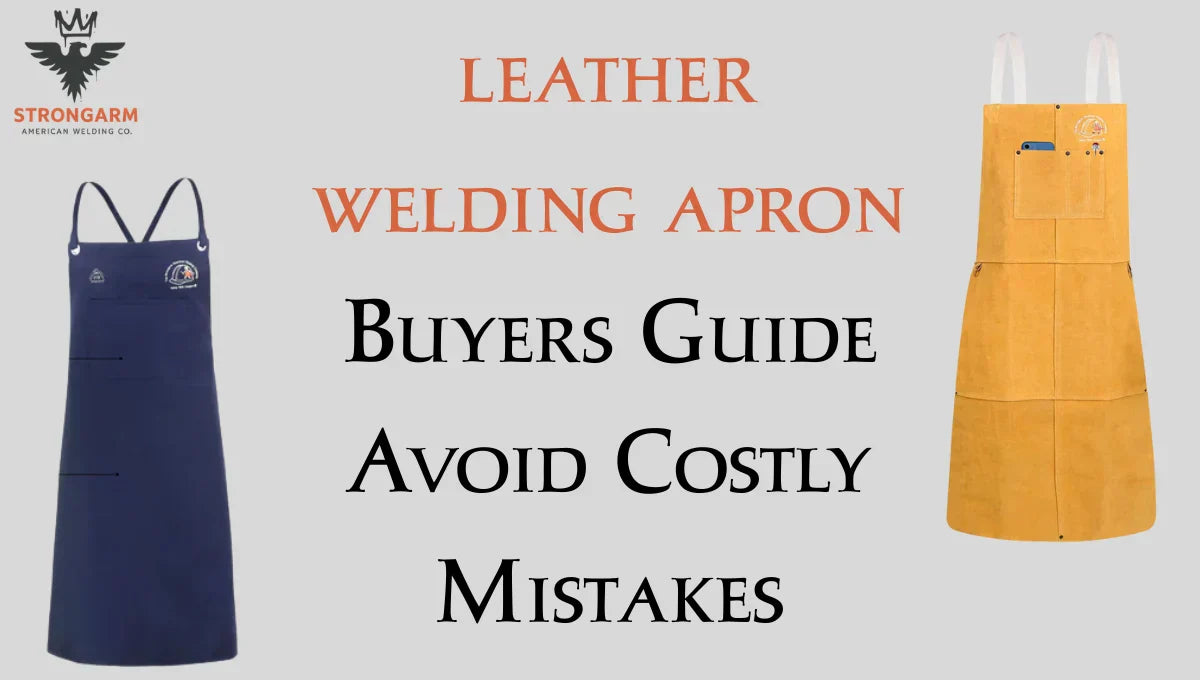
Choosing the right Leather Welding Apron is one of the most important safety decisions a welder can make. A poorly designed apron can expose your torso and legs to sparks, molten metal, and extreme heat leading to injuries, damaged clothing, and lost productivity. At Strong Arm Welding, we work directly with professional welders to engineer protective gear that performs under real job-site conditions.
In this buyer’s guide, we break down exactly how to choose the right leather welding apron, what mistakes to avoid, and how quality materials, design, and fit directly affect safety, comfort, and long-term value.
Why Leather Welding Apron Is Essential for Welder Safety
Welding environments expose workers to hazards that ordinary workwear simply cannot handle. Sparks, slag, and radiant heat can penetrate standard fabrics in seconds. That’s why the leather welding apron remains the industry standard for upper-body protection.
A quality leather welding apron:
- Shields the chest, abdomen, and legs from sparks
- Resists ignition and burn-through
- Protects clothing underneath
- Reduces injury risk in confined welding positions
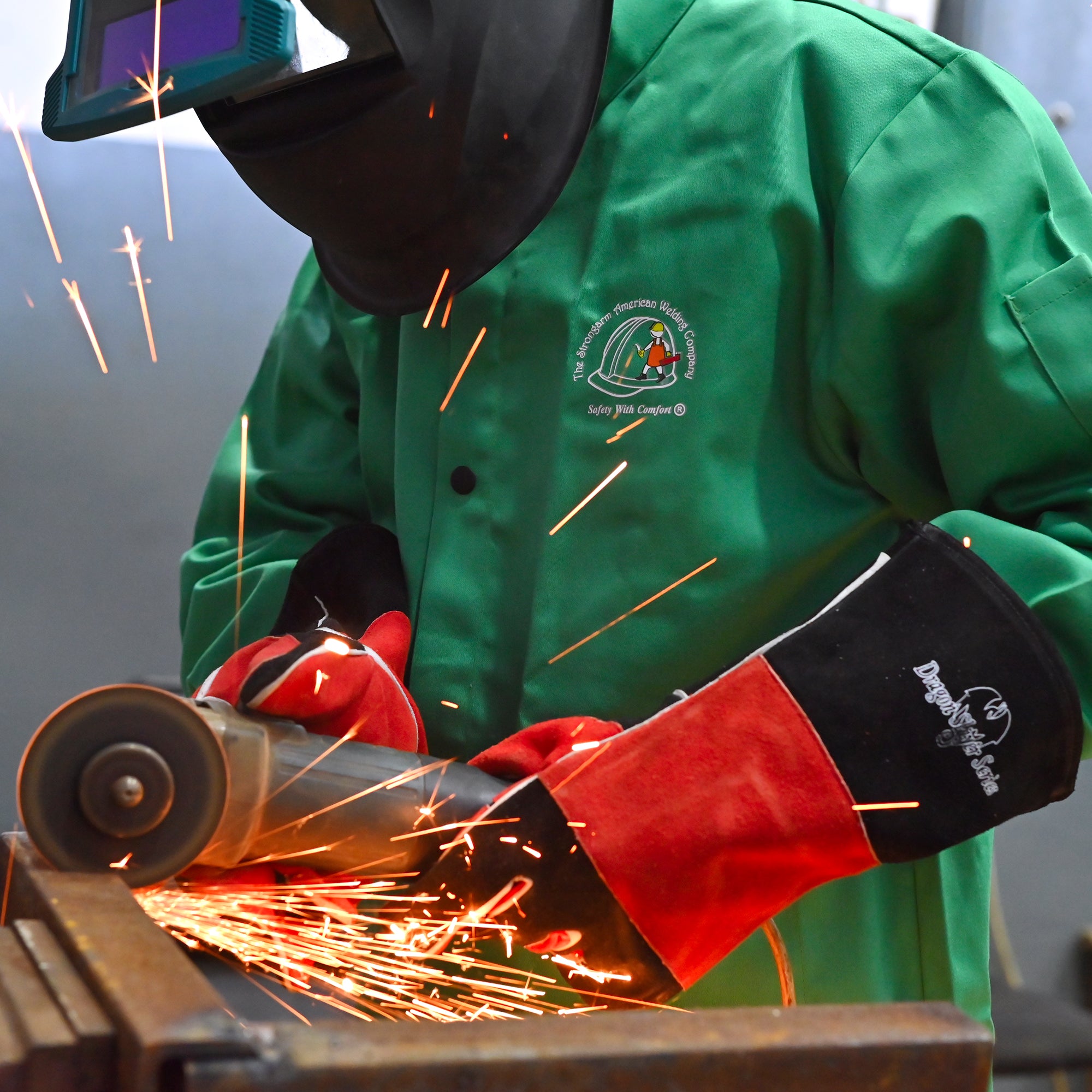
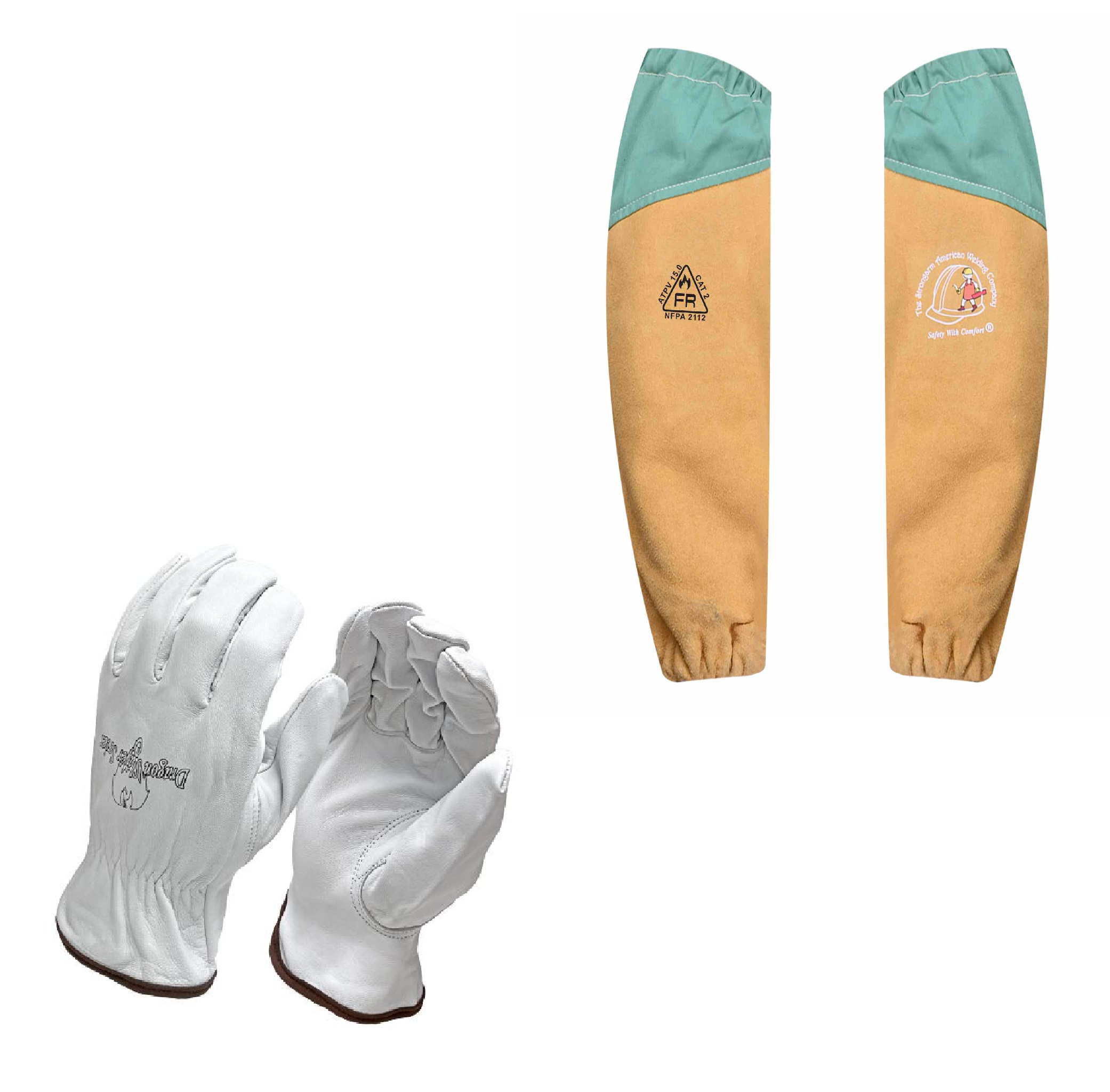
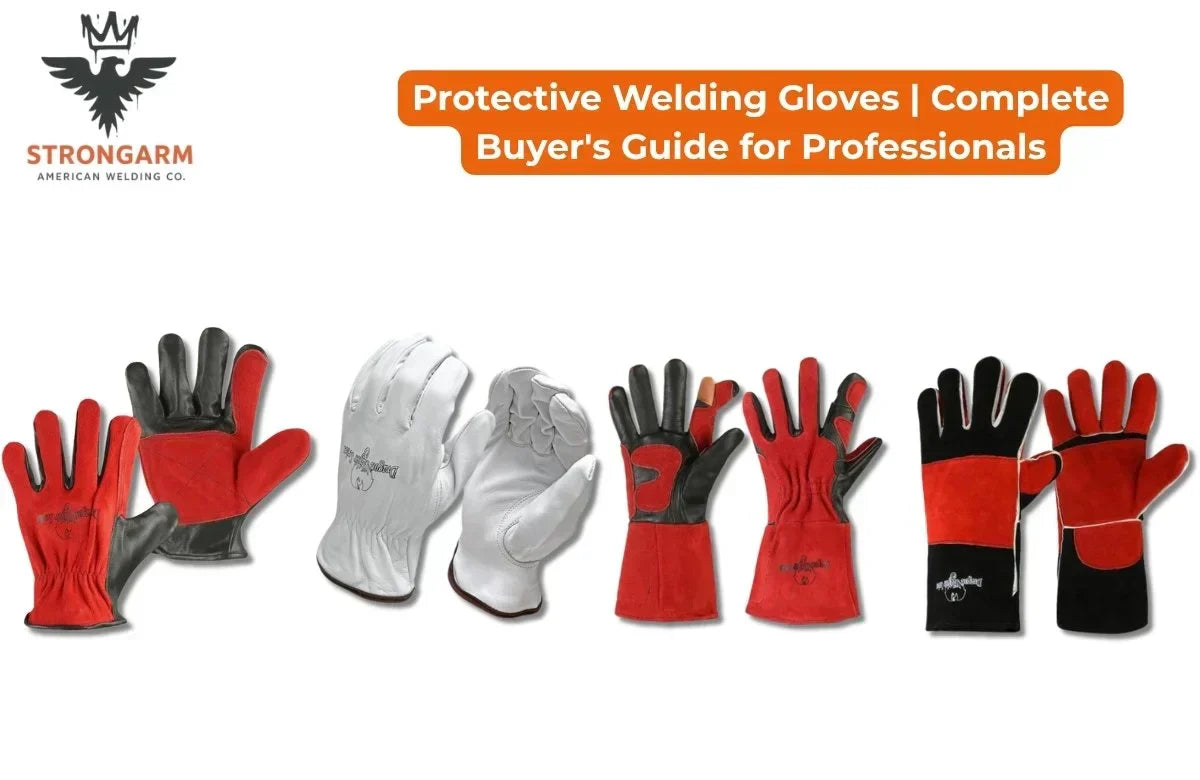
When paired with safety gloves and high visibility apparel, a leather apron becomes a critical part of a complete PPE system.
Common Costly Mistakes Welders Make When Buying Leather Aprons
Before choosing a welding apron, it’s important to understand what often goes wrong.
1. Choosing Thin or Low-Grade Leather
Thin leather may feel lighter, but it wears out faster and offers limited heat protection.
2. Ignoring Fit and Coverage
An apron that’s too short or poorly shaped leaves vulnerable areas exposed.
3. Overlooking Strap Quality
Weak straps stretch, tear, or fail under heat and weight.
4. Buying for Price Instead of Performance
Cheap aprons often cost more in the long run due to frequent replacement.
At Strong Arm Welding, we design aprons to eliminate these issues through material selection, reinforced stitching, and field-tested designs.
Understanding Leather Types Used in Welding Aprons
Not all leather performs the same under heat and abrasion.
Split Leather
- Excellent heat resistance
- Durable against sparks and slag
- Most commonly used for welding aprons
Full-Grain Leather
- Thicker and heavier
- Long lifespan
- Ideal for heavy-duty welding environments
Strong Arm Welding carefully selects leather thickness and tanning processes to balance protection, flexibility, and weight.
Coverage Matters: What a Good Welding Apron Should Protect
A properly designed leather welding apron should cover:
- Chest and torso
- Upper legs and thighs
- Lower abdomen
- Sides of the body when leaning or bending
Aprons like the Basic OG-2 Leather Apron provide classic, full-coverage protection trusted by professional welders in fabrication shops and industrial settings.
Strap Systems: Comfort and Safety Go Hand in Hand
One overlooked detail is how the apron is worn.
Cross-Back Straps vs Neck Straps
-
Cross-back straps distribute weight evenly and reduce neck fatigue
-
Neck straps are simpler but can strain the neck over long shifts
High-quality strap systems improve comfort, which helps welders maintain focus and safety throughout the workday.
Fire-Resistant vs Leather Welding Aprons
Some welders consider FR fabric aprons. However, leather remains superior in many environments.
Leather Aprons:
- Natural heat and spark resistance
- Long service life
- Better protection from molten metal
FR Fabric Aprons:
- Lightweight
- Suitable for low-spark applications
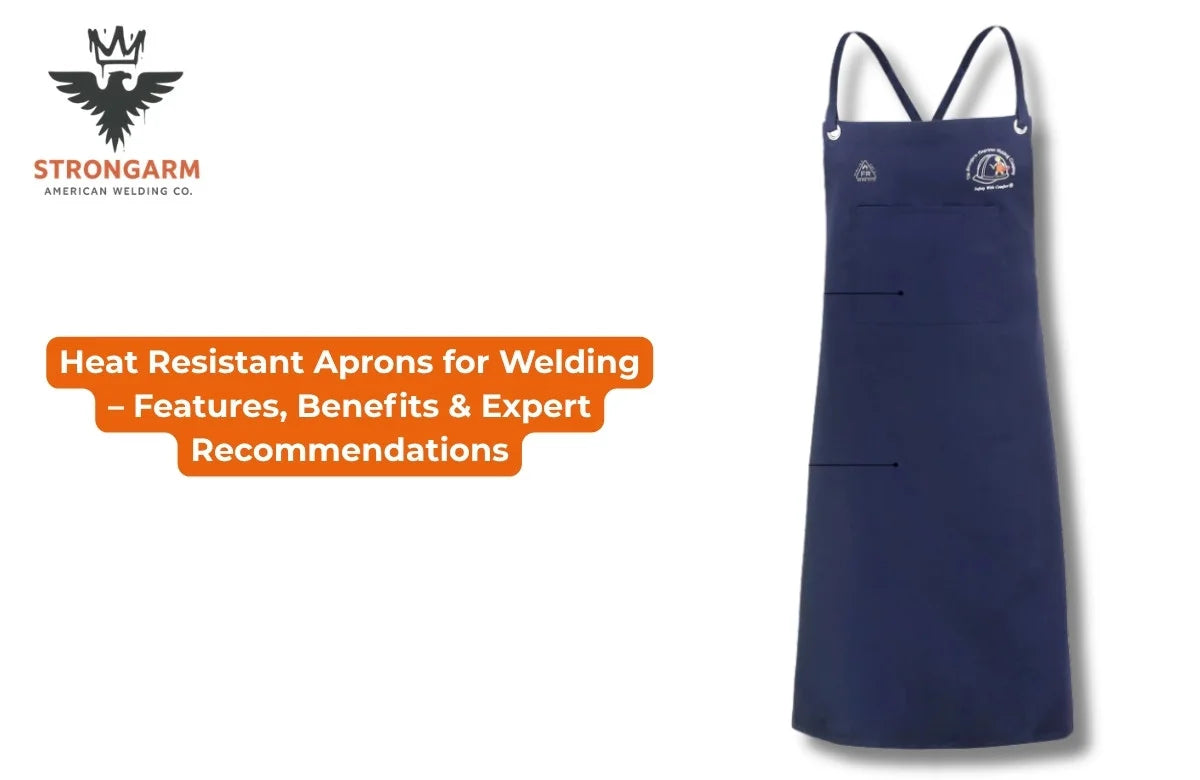
For environments requiring visibility and flame resistance, options like the X-Tech BF-1 FR Blue Welding Apron offer added visibility while maintaining safety performance.
How Leather Welding Apron Improves Productivity
Safety gear isn’t just about protection, it also affects performance.
A well-designed leather apron:
- Reduces distractions from heat or sparks
- Prevents clothing damage
- Allows welders to move confidently
- Minimizes downtime from minor injuries
When welders feel protected, they work more efficiently and consistently.
Leather Welding Apron vs Welding Jackets
Many professionals ask whether an apron or jacket is better.
Leather Welding Aprons:
- Ideal for seated or bench welding
- Easy to remove between tasks
- Cooler than full jackets
Welding Jackets:
- Full upper-body protection
- Better for overhead welding
For deeper insight, read our related guide:
👉 Leather Welding Jacket by Strong Arm Welding
Many welders use both depending on the job.
Choosing the Right Leather Welding Apron for Your Work
Ask yourself:
- What welding process do I use most?
- How much heat and spatter am I exposed to?
- Do I need mobility or maximum coverage?
Our team at Strong Arm Welding helps customers match apron designs to real-world applications, not just specifications.
How Strong Arm Welding Builds Trust and Authority
Brand Authority
Strong Arm Welding is known for professional-grade welding safety gear trusted worldwide.
Expert Design
Our products are engineered with direct feedback from experienced welders.
Proven Durability
Every apron is tested for heat resistance, stitching strength, and long-term wear.
Customer Confidence
Repeat buyers rely on our products because they perform when safety matters most.
Leather Welding Apron and Complete PPE Protection
For maximum safety, leather welding aprons should be combined with:
Together, these elements reduce workplace risk and support compliance with safety standards.
Frequently Asked Questions (FAQs)
What is Leather Welding Apron used for?
Leather Welding Apron protects the torso and legs from sparks, heat, and molten metal during welding.
Is leather better than fabric for welding aprons?
Yes. Leather offers superior heat resistance and durability in high-spark environments.
How thick should a leather welding apron be?
Most professional aprons use medium to heavy split leather for optimal protection and flexibility.
Can welding aprons be used for grinding?
Yes. Leather aprons are excellent for grinding and cutting applications.
How long does a leather welding apron last?
With proper care, a high-quality apron can last several years, depending on usage.
Real Customer Testimonials
Strong Arm’s leather apron takes serious abuse and still looks solid.
— Mike T., Industrial Welder
The fit and coverage are perfect. I feel protected without overheating.
— Laura P., Fabrication Specialist
Reliable gear from a brand that understands welders.
— Daniel R., Shop Supervisor
Care and Maintenance Tips for Leather Welding Apron
To extend apron life:
- Brush off slag and debris regularly
- Avoid soaking in water
- Store in a dry, ventilated area
- Inspect straps and stitching periodically
Proper care ensures consistent performance and long-term value.
Final Thoughts
Buying the wrong apron can cost more than money, it can cost safety. A properly designed Leather Welding Apron protects against heat, sparks, and injury while supporting comfort and productivity. At Strong Arm Welding, we don’t just sell aprons, we deliver protective solutions built for professionals who demand reliability.
Your Leather Welding Apron, Built for the Work You Actually Do
Every serious welder knows that the right gear keeps you moving without slowing you down. A Leather Welding Apron from Strongarm Welding gives you exactly that — full front protection against sparks, spatter, and heat, with the durability that only genuine leather delivers. Built for welders across the USA who work hard and need gear that works just as hard.
When you are ready to get the right Leather Welding Apron for your job, our team is here to make it straightforward:
-
Call Us Directly: Dial 1 678-691-2332 and speak with a real welding safety expert who helps you choose the right fit and style for your work.
-
Reach Us Online: Visit our Contact Us Page for fast help with product details, sizing, and order support.
Stay Connected with Strongarm Welding
Follow us for new gear releases, welding safety tips, and protective apparel updates made for real working conditions:
From light fabrication work to heavy-duty welding jobs, a quality Leather Welding Apron keeps you protected where it matters most. Strongarm Welding delivers gear that serious welders across the USA trust every single day.
About the Author
Strong Arm Welding Product & Safety Team
This guide is written and reviewed by Strong Arm Welding’s product specialists and welding safety professionals. With years of hands-on experience in industrial welding environments, our team provides practical, trustworthy guidance to help welders work safer and smarter.