When you step onto a busy shop floor, your hands act as your primary tools, making it vital to understand How to Choose Welding Gloves that shield your skin from extreme thermal hazards. Relying on thin, generic work gloves during high-amperage applications invites painful burn injuries and deep punctures.
Why Generic Hand Protection Fails on the Fabrication Floor
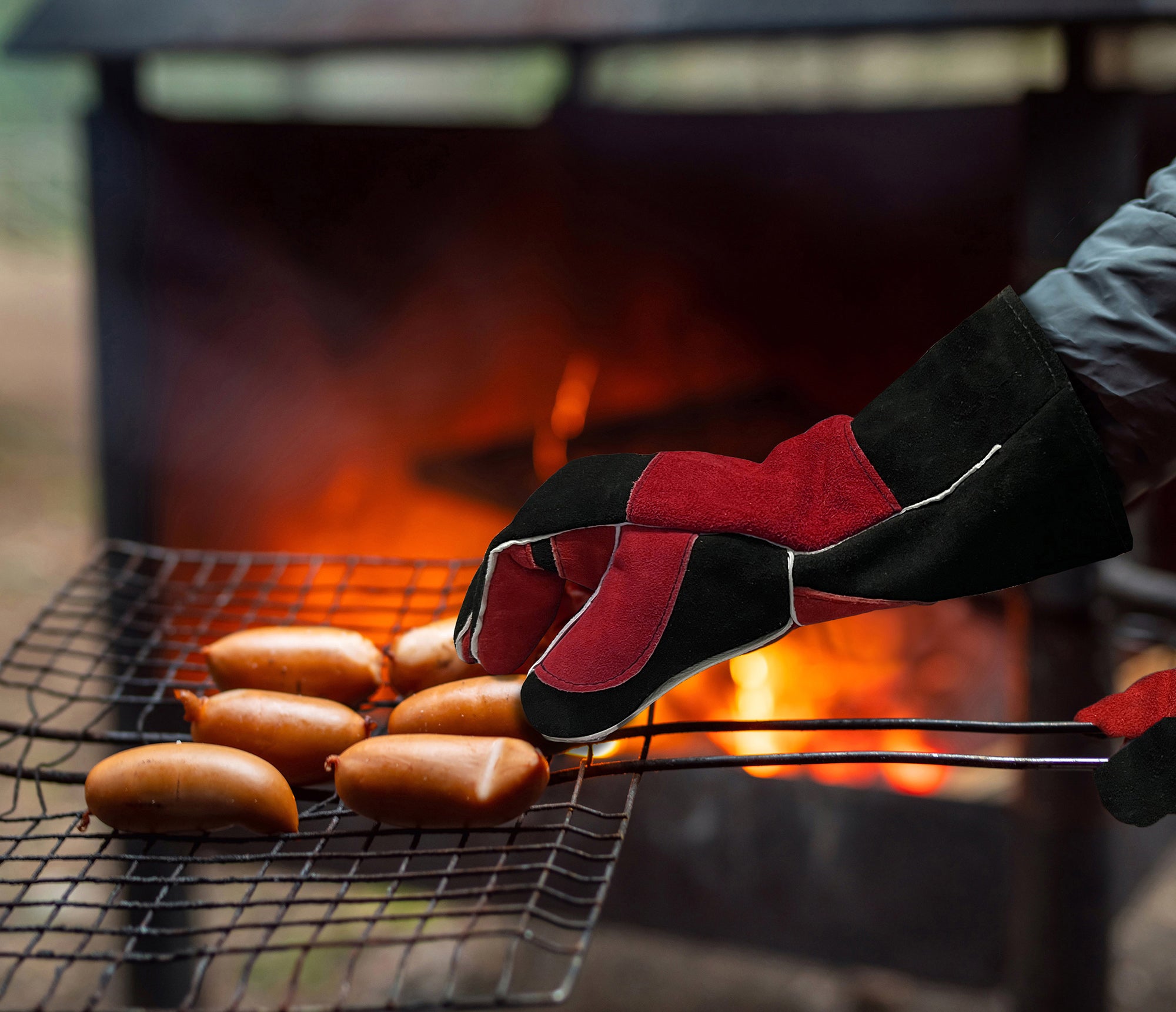
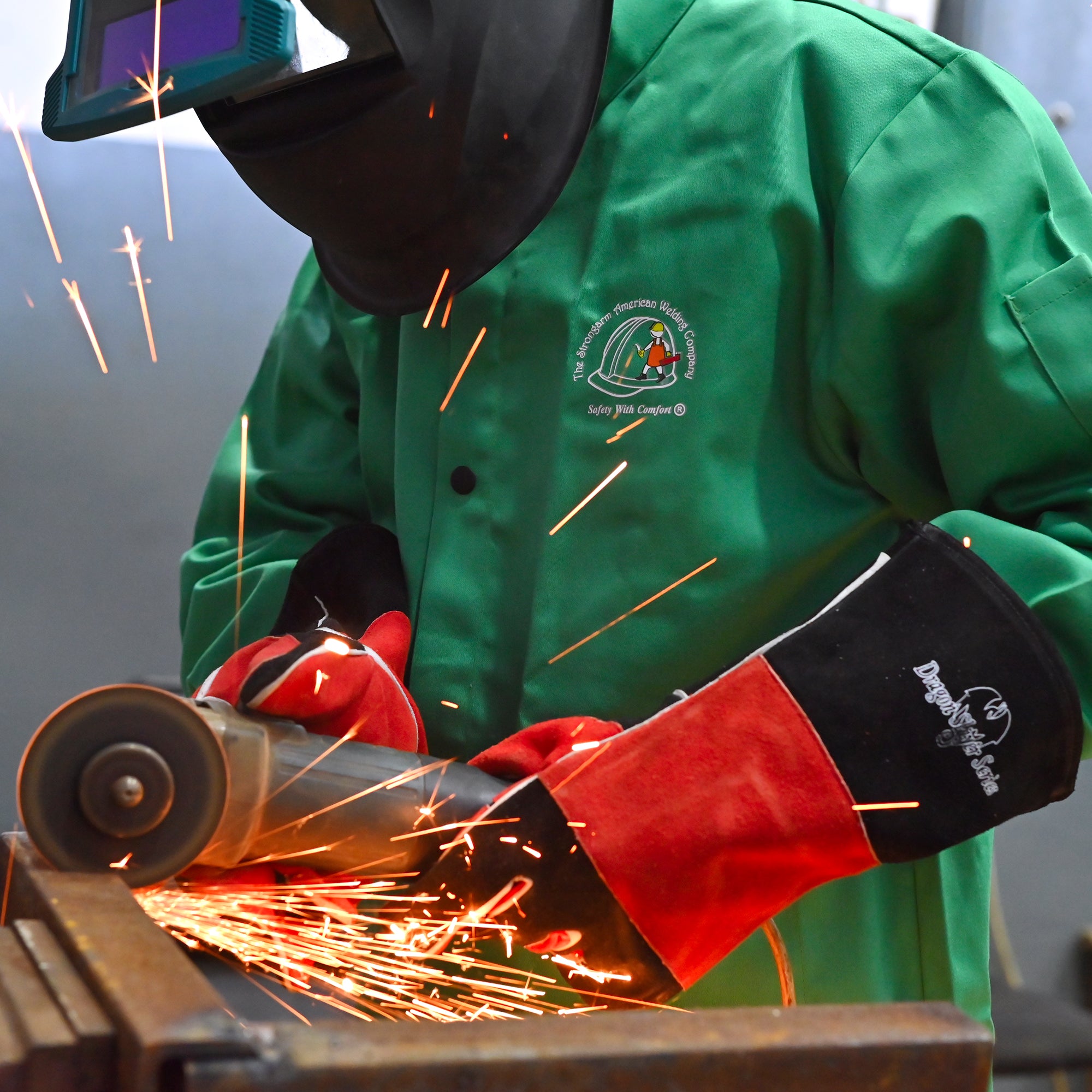
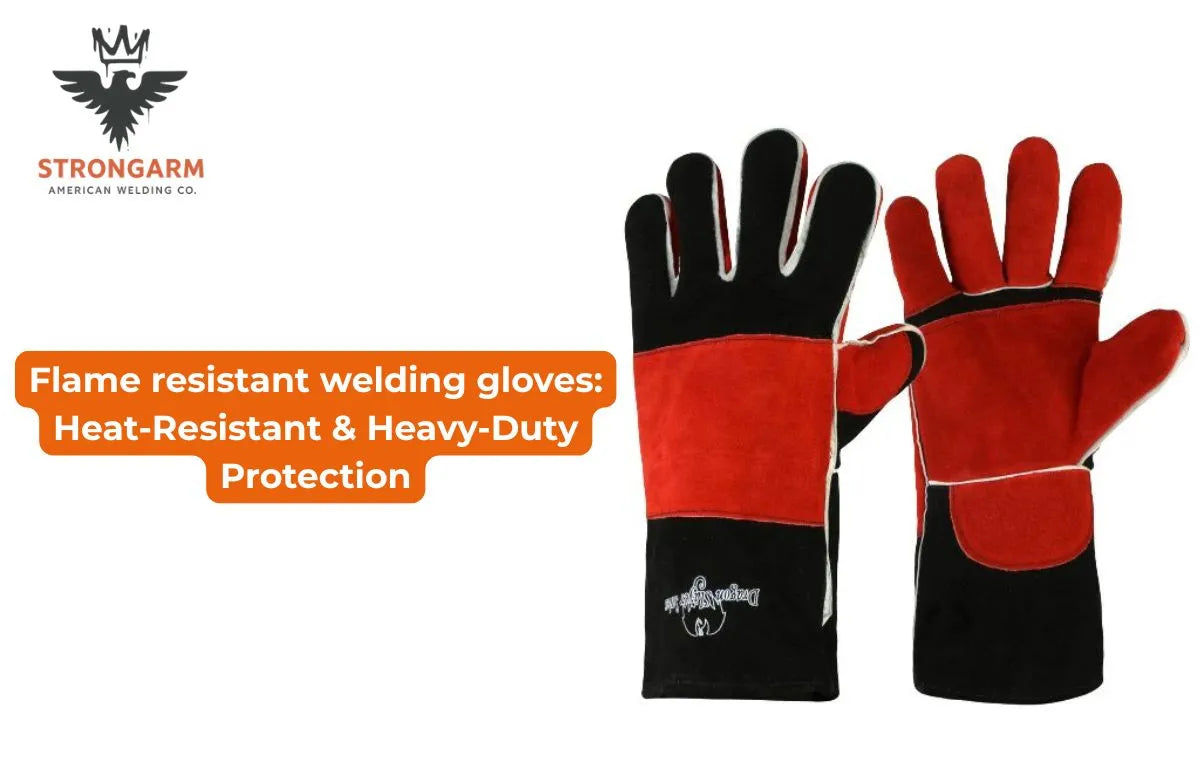
Many novice fabricators mistakenly assume that any heavy leather glove will suffice for workshop duties. The reality is that industrial welding throws off persistent ultraviolet radiation, sparks, and intense radiant heat that easily destroy unrated materials. Investing in purpose-built hand protection preserves dexterity while providing a strong barrier against workplace hazards. High-quality gear like Leather welding gloves uses specialized hides and fire-resistant insulation to absorb thermal shock, allowing you to handle long production runs safely without losing grip strength or control.
1. Match the Hide Material to Your Specific Welding Process
Different types of animal hides offer varying degrees of flexibility, thickness, and heat resistance. Selecting the right leather dictates your comfort and safety level.
-
Cowhide: The ultimate heavy-duty shield, offering excellent durability and superior heat resistance for intense stick welding and heavy plasma cutting.
-
Goat Skin: Highly flexible and thin, giving you the precise tactile feel required to manipulate thin filler wires during precision TIG operations.
-
Pigskin: A rugged hide that naturally resists moisture and oil, staying soft and pliable even after repeated exposure to wet shop environments.
-
Deerskin: Provides an incredibly soft, cushioned fit that forms comfortably to your hand shape while reducing blisters during long shifts.
2. Evaluate Thermal Insulation and Internal Lining Systems
A glove's outer shell handles the sparks, but the internal lining protects your flesh from convective heat transfer. Look for advanced internal layers when working near high-amperage arcs:
-
Aluminized Backing: Reflects intense radiant heat away from the back of your hand during high-heat flux procedures.
-
Wool or Cotton Fleece: Absorbs sweat while creating a thick thermal buffer against ambient workshop temperatures.
-
Unlined Palms: Essential for fine-wire procedures where maximum tactile response matters more than bulk thermal protection.
- If you want to learn more about welding clothing and protective gear you can visit our detailed guide on the page.
3. Prioritize Kevlar Stitching and Seam Reinforcement
-
Look for Heat-Resistant Stitching: High-quality welding gloves use durable stitching that can withstand extreme temperatures.
-
Choose Kevlar®-Thread Construction: Kevlar® stitching offers superior heat resistance and helps prevent seams from failing under demanding conditions.
-
Prefer Reinforced or Welted Seams: Protected seams improve durability by reducing wear from sparks, friction, and daily use.
4. Choose elite hand armour from Strongarm Welding
You should never gamble your livelihood on unrated, mass-produced discount safety gear. Professional American tradespeople consistently trust Strongarm Welding to deliver heavy-duty hand protection built for harsh industrial environments. Strongarm Welding engineers premium garments that perfectly balance brute structural defense with effortless mobility. Their tailored product lineup ensures you find the exact glove style required to master your specific welding discipline.
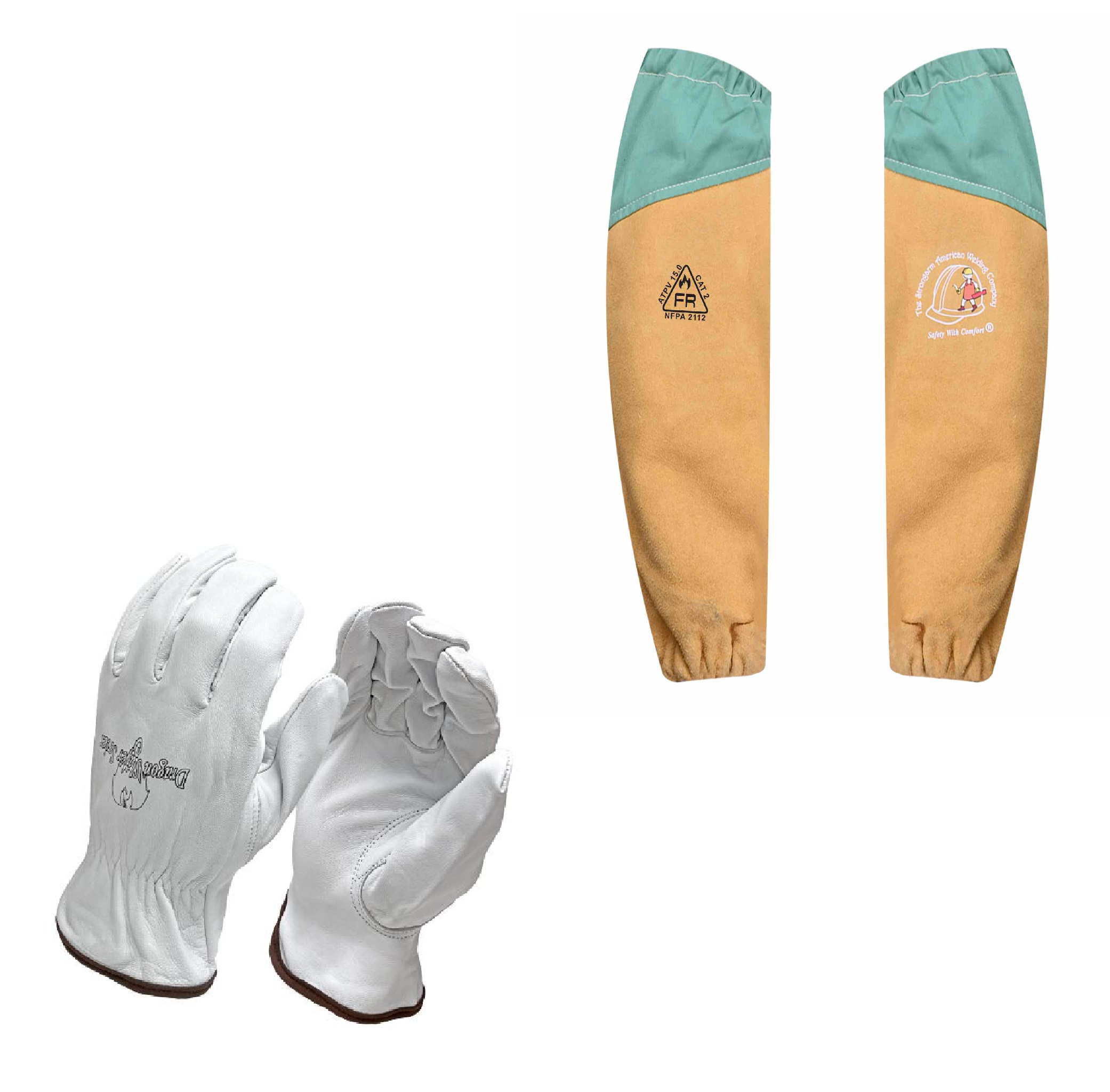
If your workday involves heavy material handling, grinding, and light fabrication, these versatile drivers offer unmatched everyday durability.
-
Top-Grain Goat Hide: Combines natural puncture resistance with a supple texture that breaks in instantly for maximum comfort.
-
Keystone Thumb Construction: Follows the ergonomic curvature of your hand to reduce fatigue during multi-hour material handling shifts.
-
Elasticized Wrist Band: Seals out sharp metal shavings, abrasive grinding dust, and stray shop debris effortlessly.
For extreme high-amperage stick welding and heavy-duty flux-core applications, this armored beast provides an impenetrable thermal shield.
-
932°F ($500^\circ\text{C}$) Thermal Rating: Features heavy multi-layered insulation to withstand brief direct contact with red-hot workpieces.
-
Fully Welted Cowhide: Uses premium split-cowhide panels sewn entirely with high-tensile Kevlar thread to prevent premature seam failures.
-
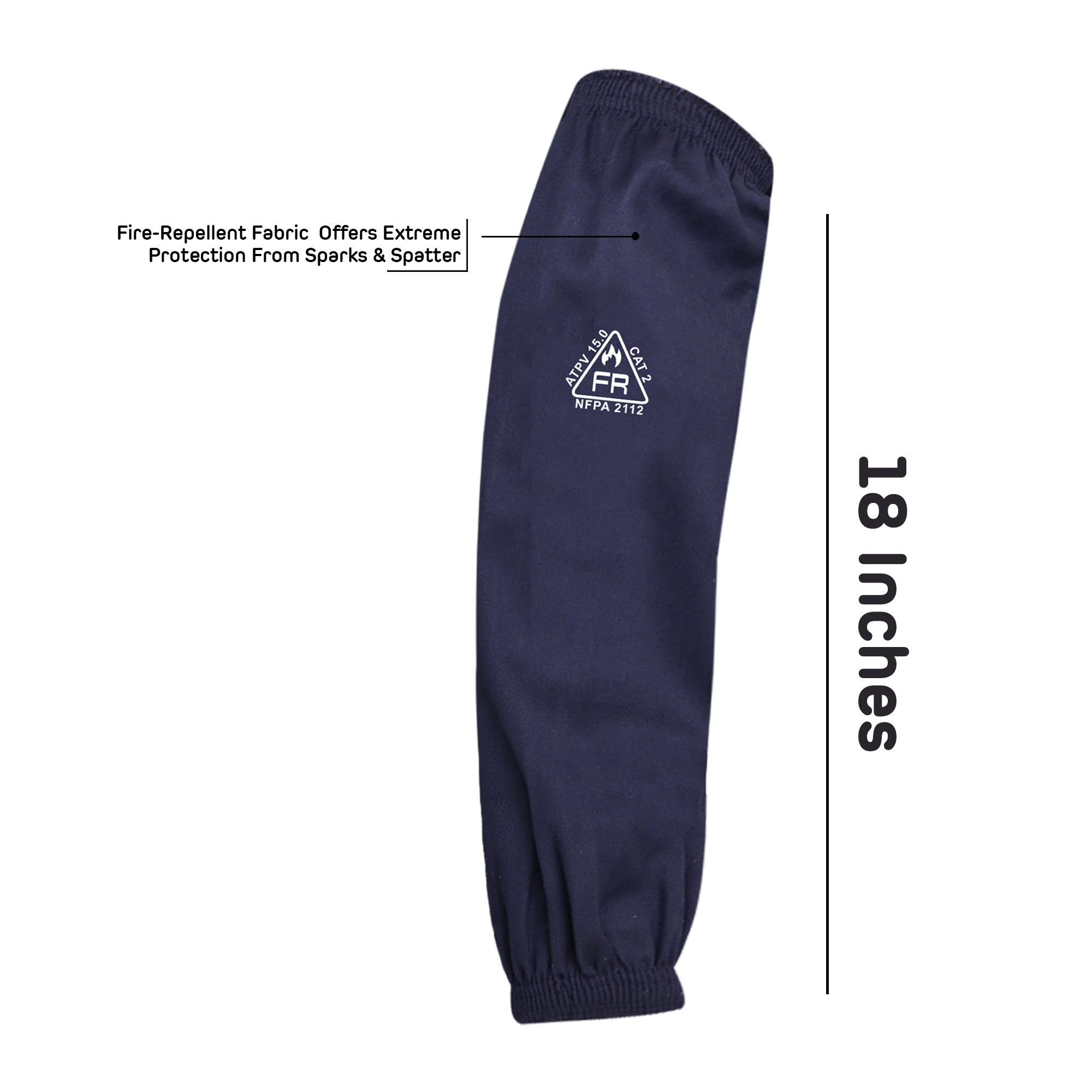
Extended Safety Cuff: Protects your forearms from heavy slag showers and intense ultraviolet arc radiation.
Designed specifically for multi-process operators, this innovative layout ensures you never have to swap gloves between different workshop tasks.
-
Strategic Free-Finger Mobility: Optimizes finger placement for feeding TIG filler wire while keeping the rest of your hand shielded from sparks.
-
Reinforced Friction Zones: Adds extra leather layers along the side of the hand to endure continuous dragging along rough steel tables.
-
Breathable Comfort Fit: Moves naturally with your hand joints to prevent muscle cramping during complex structural joints.
When dealing with delicate, high-precision joints that demand a rock-steady hand, this specialized TIG glove delivers elite performance.
-
Double-Palm Reinforcement: Adds a secondary layer of premium hide to absorb heat when resting your hand directly on warm metal workpieces.
-
10-Inch Protective Profile: Offers full wrist coverage without adding unnecessary bulk or restricting your natural range of motion.
-
Ultra-Lean Stitch Profile: Positions crucial seams away from high-stress areas to maximize your tactile feel and rod control.
5. Verify Cuff Length for Complete Forearm Safety
6. Focus on Ergonomic Fit and True Sizing
7. Inspect Friction Pad Placement and Reinforcements
8. Assess Total Flexibility vs. Bulk Protection
Final Thoughts
Understanding how to choose welding gloves is essential for maintaining safety, comfort, and productivity in any welding environment. By considering factors such as welding type, heat resistance, leather material, fit, dexterity, reinforcement, cuff length, and durability, you can make a more informed decision and select gloves that meet your specific needs. Whether you're performing precision TIG work or handling heavy-duty welding applications, choosing high-quality gloves from Strongarm Welding can help you work more confidently while keeping your hands protected. Investing in the right pair today can lead to safer, more efficient welding performance for years to come.
Ready to Find the Right Welding Gloves for Your Work?
Knowing how to choose welding gloves makes a real difference in how safely and comfortably you work every single day. At Strongarm Welding, we help welders across the USA select the right gloves based on their welding process, heat exposure, and grip requirements, so you always walk onto the job site fully protected.
Our team is ready to help you make the right call:
-
Call Us Directly: Dial 1 678-691-2332 and speak with a real welding safety expert who understands glove materials, heat ratings, and which option suits your welding process best.
-
Get Help Online: Visit our Contact Us Page for fast assistance with sizing, product comparisons, and placing your order without any confusion.
Stay Connected with Strongarm Welding
Follow us for new glove releases, welding safety tips, and protective gear updates designed for real working conditions:
Whether you work in MIG, TIG, stick welding, or heavy fabrication, the right gloves protect your hands, improve your grip, and keep you focused on the work. Strongarm Welding makes sure you always have the right pair for every job you take on.
About the Author
This article is written and reviewed by the Strongarm Welding Team, a group of welding safety specialists and product experts focused on delivering high-performance protective gear for professionals across the United States. The team emphasizes safety, durability, and real-world welding needs to help users choose the right equipment with confidence.