When it comes to workplace safety, safety gloves play a crucial role. Protecting hands from cuts, burns, chemicals, and electrical hazards is essential for every professional. Choosing the right glove can prevent serious injuries and increase efficiency on the job. In this guide, we will explore eight types of safety gloves that every worker should know about. Companies like Strongarm Welding emphasize using proper gloves to ensure maximum protection.
1. Leather Gloves
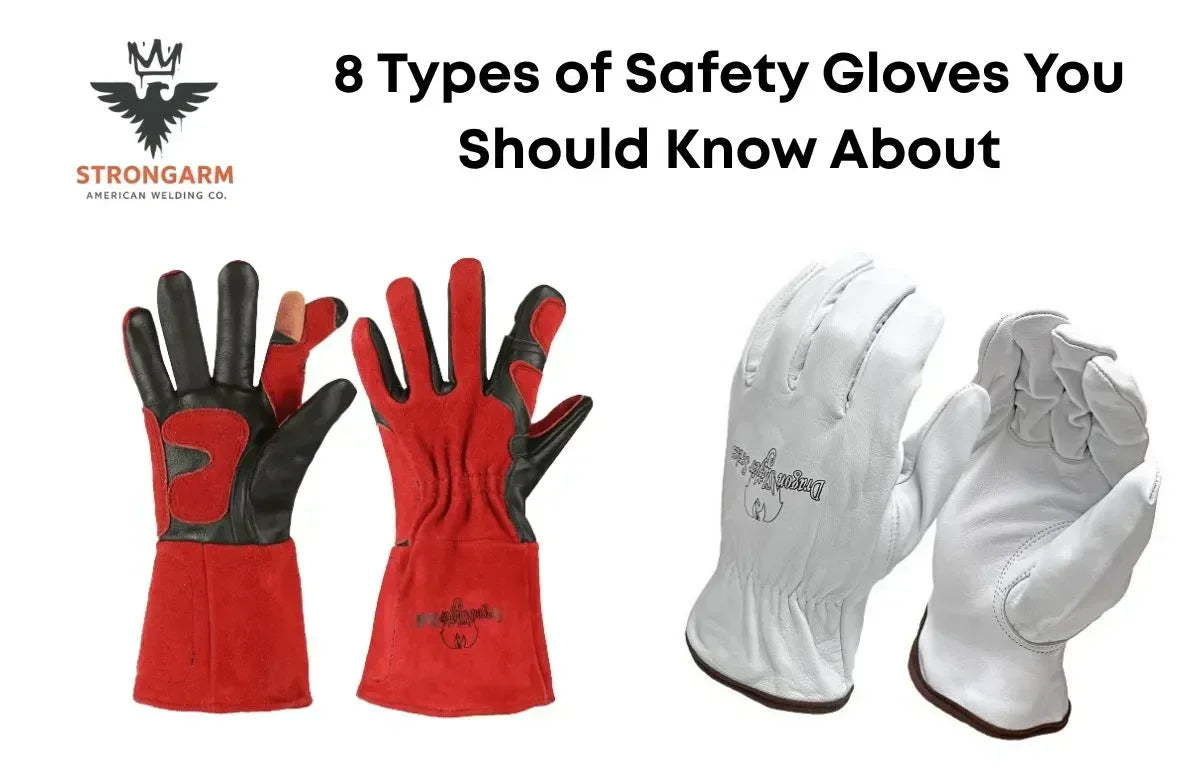
- Leather gloves are a versatile choice for a wide range of industrial applications, offering reliable hand protection.
- They provide excellent resistance against abrasions, sparks, and rough surfaces, making them ideal for tough work environments.
- These gloves are commonly used by construction workers, welders, and mechanics due to their durability and strength.
- Leather gloves offer long-lasting comfort, making them suitable for extended hours of continuous use.
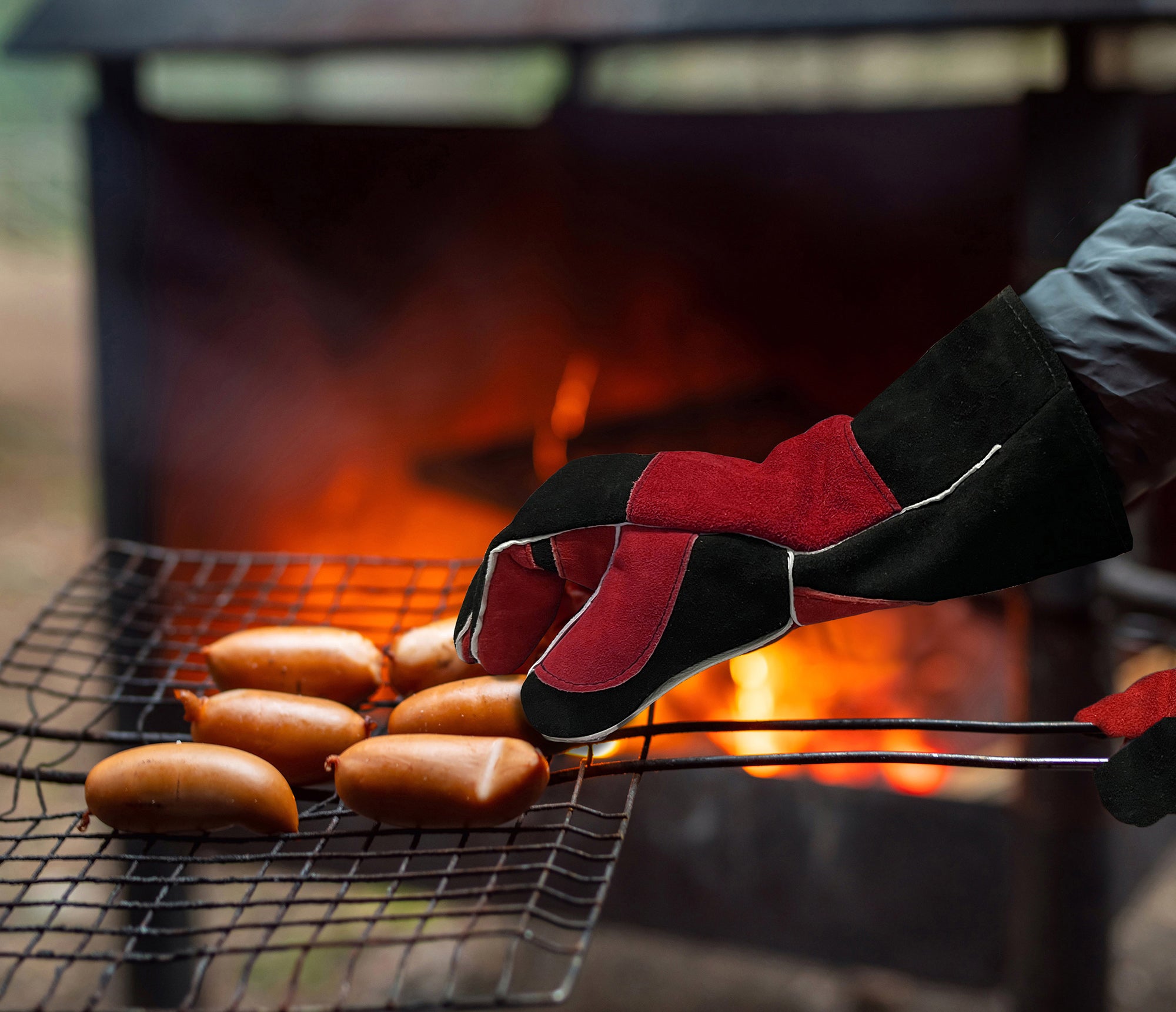
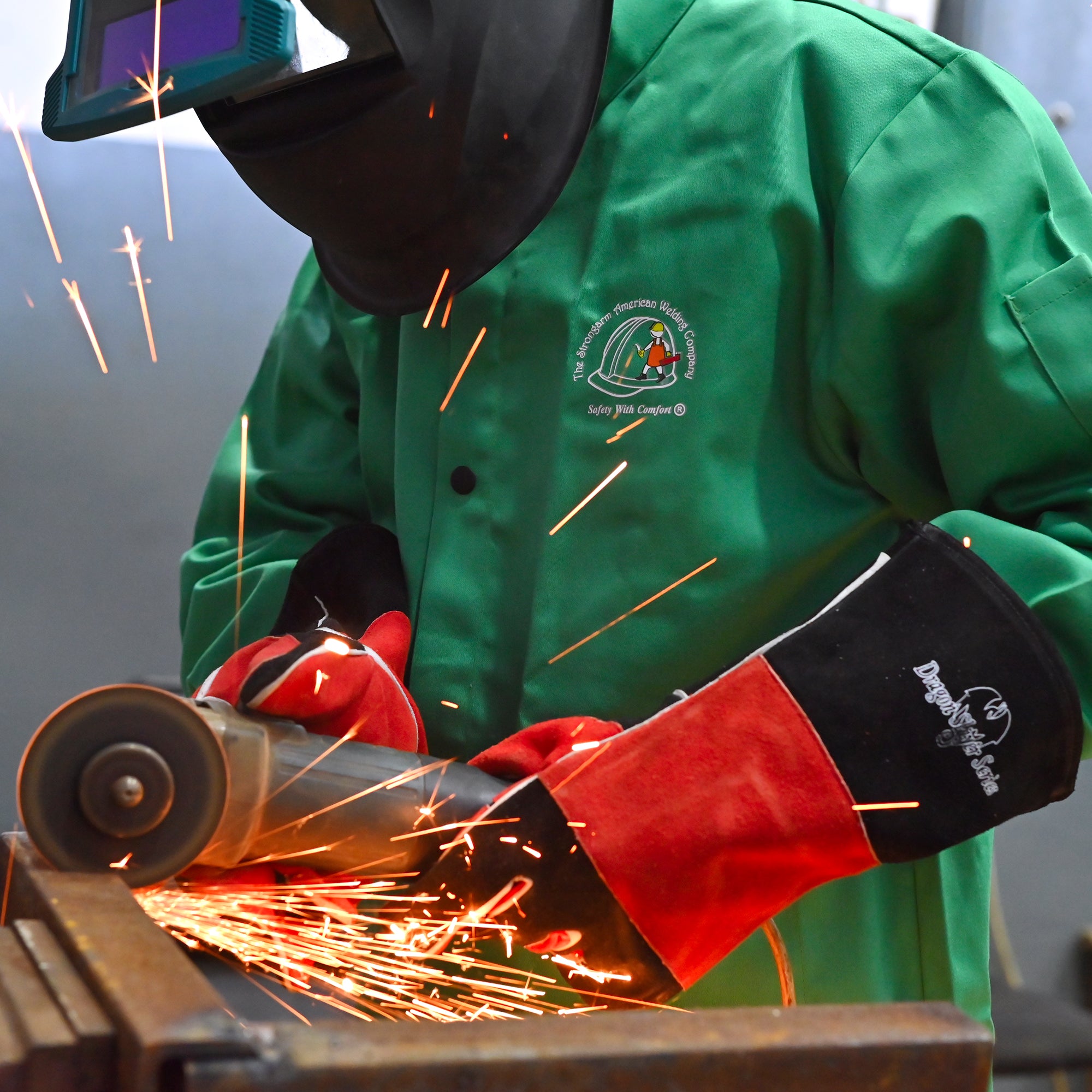
- Strongarm Welding often recommends Leather Welding Gloves for handling hot materials and welding tasks, ensuring a snug fit with full finger mobility for safe and efficient work.
2. Cut-Resistant Gloves
Cut-resistant gloves are essential for tasks involving sharp tools or materials. They are made from high-performance fibers such as Kevlar, Dyneema, or stainless steel mesh. These gloves protect against lacerations while allowing flexibility and dexterity. Food processing, glass handling, and metalworking industries heavily rely on cut-resistant gloves. Using proper gloves from trusted suppliers like Strongarm Welding ensures compliance with safety standards and reduces workplace accidents.
3. Chemical-Resistant Gloves
- Chemical-resistant gloves are designed to protect hands from harmful substances like acids, solvents, and cleaning agents.
- They are commonly made from durable materials such as nitrile, neoprene, or PVC for effective chemical protection.
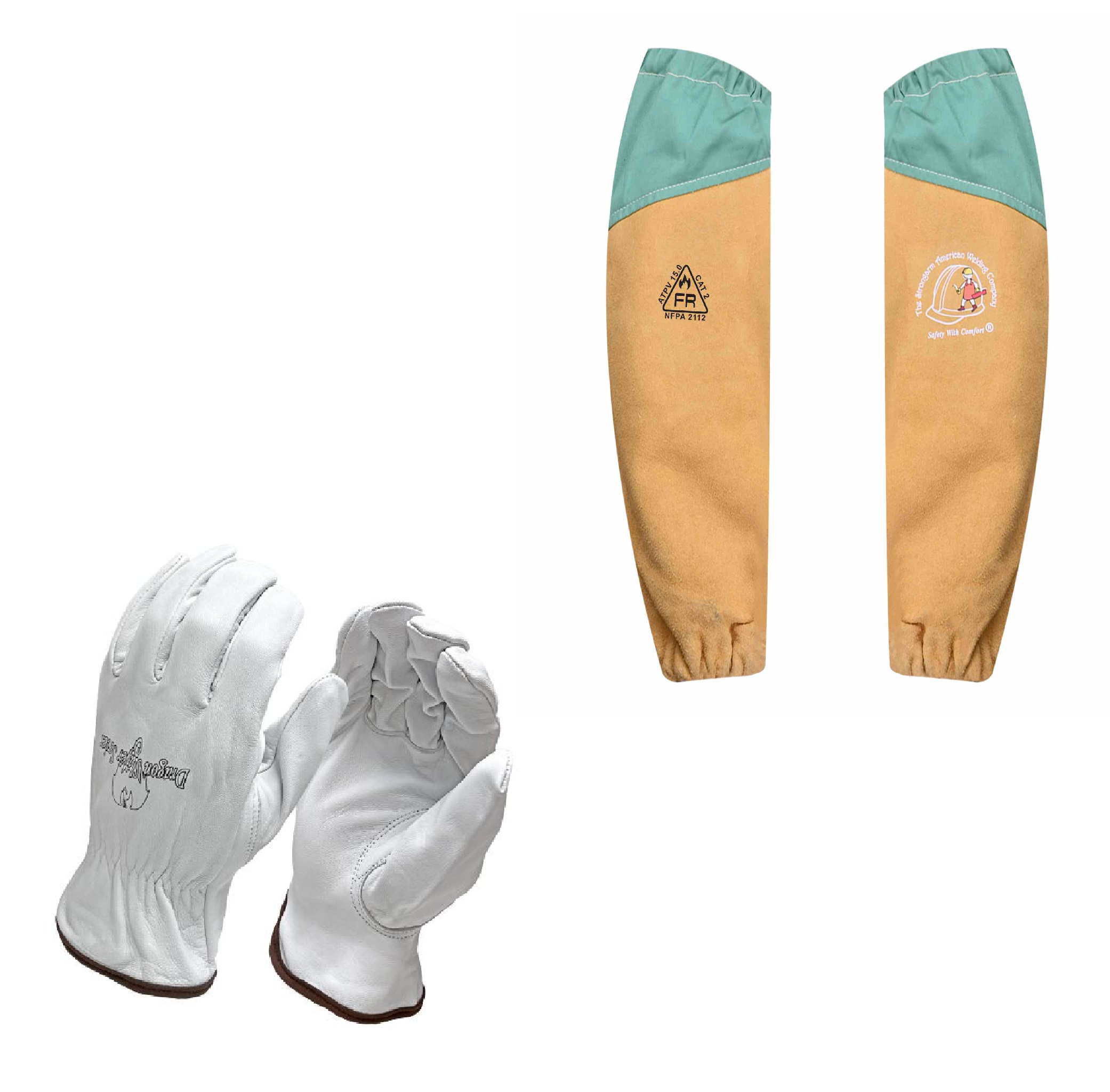
- In some handling tasks, pairing them with Rockstar OG-1 Goat Leather Driver Gloves can add extra durability, grip, and handling comfort.
- These gloves help prevent skin irritation, chemical burns, and absorption of hazardous substances, making them essential in high-risk environments.
- Strongarm Welding advises workers in laboratories, chemical plants, and janitorial services to always choose the right thickness and verify chemical compatibility for maximum safety and comfort.
4. Heat-Resistant Gloves
Heat-resistant gloves are designed for handling high-temperature objects. They are commonly used in welding, foundries, and glasswork. These gloves provide protection against burns while maintaining dexterity. Insulated and layered designs improve safety for prolonged exposure to heat. Strongarm Welding ensures that all workers use heat-resistant gloves when handling molten metals or hot equipment. Wearing proper gloves prevents serious hand injuries and ensures compliance with occupational safety regulations.
5. Electrical Gloves
- Electrical gloves are designed to protect workers from electric shocks and arc flashes in high-risk environments.
- They are typically made from insulating rubber and are rated according to specific voltage protection standards.
- Professionals such as linemen, electricians, and maintenance workers rely on these gloves for daily safety during electrical tasks.
- Regular inspection is essential to ensure gloves are free from cracks, punctures, or any damage that could reduce protection.
- Strongarm Welding emphasizes the importance of certified gloves and proper Welding Clothing & Protective Gear to ensure maximum safety when working with high-voltage systems.
6. Disposable Gloves
Disposable gloves are lightweight, cost-effective, and suitable for short-term tasks. They are commonly made from latex, nitrile, or vinyl. Medical professionals, laboratory staff, and food handlers often use these gloves. Disposable gloves protect against contamination and minor chemical exposure. Strongarm Welding also uses disposable gloves for tasks requiring hygiene or quick glove changes. Proper disposal after use prevents cross-contamination and maintains workplace safety standards.
7. Impact-Resistant Gloves
- Impact-resistant gloves are designed to protect hands from crushing injuries, heavy machinery hazards, and repetitive motion strain.
- They commonly feature reinforced knuckles, padded palms, and durable outer materials for enhanced protection.
- Workers in construction, manufacturing, and logistics rely on these gloves for safety during heavy-duty tasks.
- The built-in padding helps absorb shock and reduce hand fatigue during long working shifts.
- Strongarm Welding incorporates safety standards into glove selection, similar to the quality seen in Fireplace Gloves Made in USA, ensuring proper certification for maximum hand protection.
8. General-Purpose Work Gloves
- General-purpose work gloves provide basic protection suitable for a wide variety of everyday tasks.
- They are comfortable, flexible, and commonly used for gardening, light construction, and warehouse work.
- While not designed for extreme hazards, they help protect hands from dirt, scratches, and minor abrasions.
- Strongarm Welding recommends keeping general-purpose gloves as a backup option for low-risk tasks.
- Selecting gloves with good grip and breathable materials improves both comfort and overall safety during use.
Why Safety Gloves Are Important
Hand injuries are among the most common workplace accidents. Using the correct type of safety gloves significantly reduces the risk of cuts, burns, and chemical exposure. Gloves enhance grip, reduce fatigue, and allow workers to perform tasks efficiently. Strongarm Welding trains employees to select gloves based on the specific hazards of their job. Investing in high-quality gloves is not just a safety measure but also improves productivity and morale.
How to Choose the Right Safety Gloves
- Choosing the right gloves depends on the specific task, materials being handled, and working-environment conditions.
- Key safety factors to consider include cut resistance, chemical exposure, heat protection, and electrical hazards.
- Comfort and dexterity are equally important to ensure efficient and safe hand movement during work.
- Gloves should be regularly inspected for signs of wear and tear and replaced when damaged.
-
Strongarm Welding recommends reviewing safety datasheets and industry standards to ensure proper and safe glove selection for maximum protection and efficiency.
Maintenance and Care
Maintaining your gloves extends their lifespan and maintains protection. Leather gloves should be cleaned and conditioned, while chemical-resistant gloves must be rinsed after exposure. Heat-resistant gloves should be stored away from flames, and electrical gloves must be inspected for cracks. Strongarm Welding emphasizes regular maintenance and proper storage to prevent glove failure. Proper care ensures safety gloves perform as expected when needed the most.
Customer Reviews
1. John M., Welder – Texas:
"I’ve been using Strongarm Welding gloves for over a year. They provide excellent protection against heat and sparks, and I feel safer on every job."
2. Sarah L., Laboratory Technician – California:
"The chemical-resistant gloves recommended by Strongarm Welding are comfortable and reliable. I can handle hazardous materials without worry."
3. Mike D., Construction Worker – Florida:
"Cut-resistant gloves from Strongarm Welding saved me from a potential injury. They are durable and fit perfectly for heavy-duty work."
4. Emily R., Food Processing Supervisor – New York:
"Disposable gloves from Strongarm Welding are soft yet strong. We use them every day, and they help maintain hygiene without compromising comfort."
5. Tom K., Electrician – Ohio:
"Electrical gloves from Strongarm Welding give me confidence when working on live circuits. Safety is always my top priority, and these gloves deliver."
People Also Asked
1. What are safety gloves used for?
Safety gloves protect hands from cuts, burns, chemicals, electrical hazards, and impact injuries. Using the right glove ensures workplace safety and efficiency.
2. How do I choose the right safety gloves?
Consider the type of hazard (heat, chemical, electrical, or cuts) and required dexterity. Strongarm Welding recommends gloves based on specific tasks for maximum protection.
3. How often should safety gloves be replaced?
Replace gloves when they show signs of wear, holes, cracks, or reduced flexibility. Regular inspection ensures your hands remain protected.
4. Can I use the same gloves for different tasks?
No. Each glove type is designed for specific hazards. Using the wrong gloves can reduce protection and increase accident risk.
5. Are safety gloves required by law in the USA?
Yes. OSHA mandates proper hand protection in workplaces where hazards exist. Using certified gloves like those recommended by Strongarm Welding ensures compliance.
Final Thoughts
Safety gloves are a vital part of personal protective equipment for every worker. From leather and cut-resistant gloves to chemical, heat, and electrical protection, each type serves a specific purpose. Companies like Strongarm Welding understand the importance of proper hand protection and provide guidance to ensure workers use the right gloves for each task. Investing in high-quality gloves enhances safety, productivity, and confidence on the job. Always choose gloves that meet industry standards, fit well, and match your work environment. Your hands are invaluable, protect them wisely.
Still Looking for the Right Safety Gloves for Your Next Job?
Finding safety gloves that actually hold up under real work conditions takes more than just picking the first pair you see. The right safety gloves protect your hands from heat, sparks, cuts, and abrasion while still giving you the grip and control you need to work efficiently. At Strongarm Welding, we supply safety gloves built for welders and industrial workers across the USA who demand reliable hand protection on every shift.
Not sure which safety gloves match your work environment? Our team makes the selection process simple and straightforward:
-
Call Us Directly: Dial 1 678-691-2332 and speak with a gear specialist who understands hand protection for welding and heavy-duty industrial tasks.
-
Fast Support Online: Visit our Contact Us Page for quick help with sizing, material options, and order details.
Stay Connected with Strongarm Welding
Follow us for safety tips, new gear drops, and product updates designed for workers who take protection seriously:
Whether you work in fabrication, construction, or daily welding operations, the right pair of safety gloves keeps your hands protected and your performance consistent. Strongarm Welding delivers hand protection you can trust, shift after shift.
About the Author
This article is written by the Strongarm Welding Team, a group dedicated to promoting workplace safety and high-quality protective gear. With experience in industrial safety solutions and glove selection for various working conditions, the team focuses on helping professionals choose reliable equipment like Safety Gloves that ensure protection, comfort, and performance in demanding environments.