Welding is one of the most demanding trades in the industrial world. Whether you’re working in construction, automotive repair, manufacturing, or metal fabrication, your hands are constantly exposed to sparks, molten metal, and extreme temperatures. That’s why investing in high-quality Welding Heat Resistant Gloves is essential for safety, performance, and long-term comfort.
For welders across the United States, the right leather welding gloves can make the difference between a productive workday and a painful injury. Trusted suppliers like Strongarm Welding emphasize protective gear designed to handle tough American job sites, which highlights the importance of making a careful selection.
In this guide, we’ll explore eight important things to consider before buying welding gloves so you can protect your hands and work with confidence.
1. Material Matters: Choosing the Right Hide
The foundation of any great heat-resistant glove is the material. Different leathers offer different levels of protection and flexibility.
-
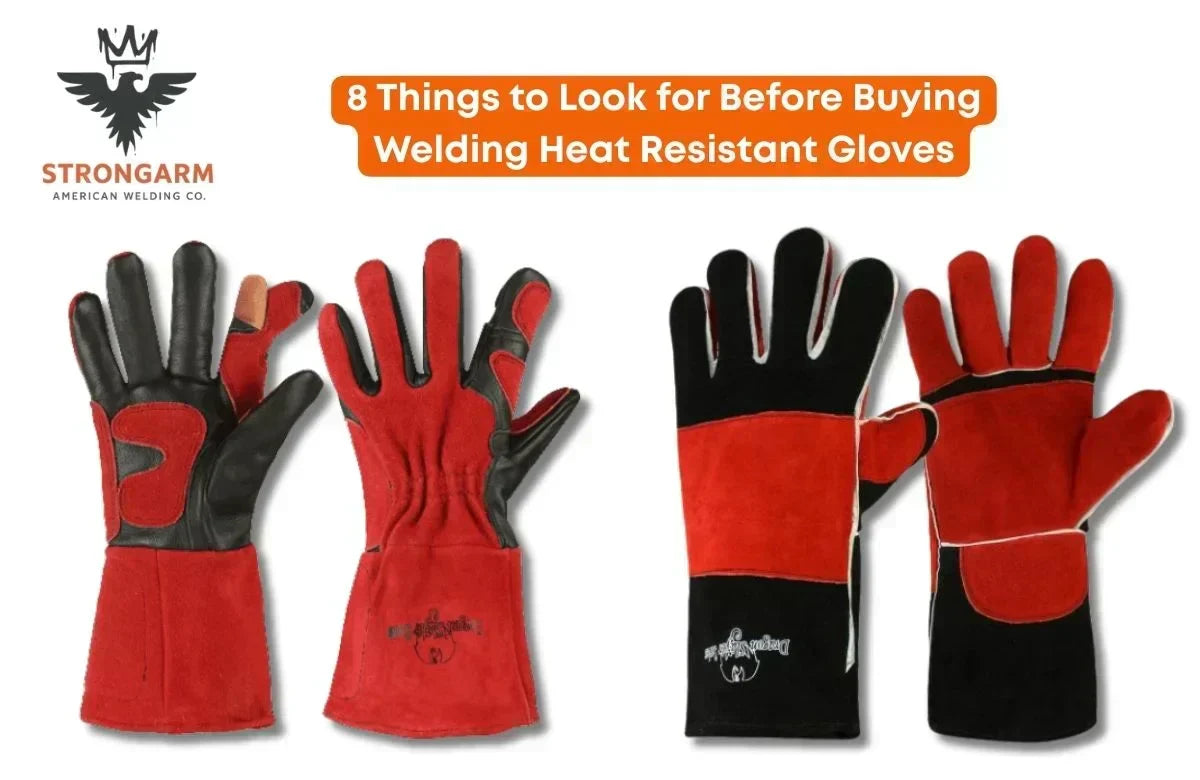
Cowhide: The "gold standard" for heavy-duty work. It is durable, heat-resistant, and perfect for stick or MIG welding. Strongarm Welding utilizes 1.5 mm thick, soft shoulder split natural cowhide, which offers a rugged barrier against extreme heat while remaining surprisingly supple.
-
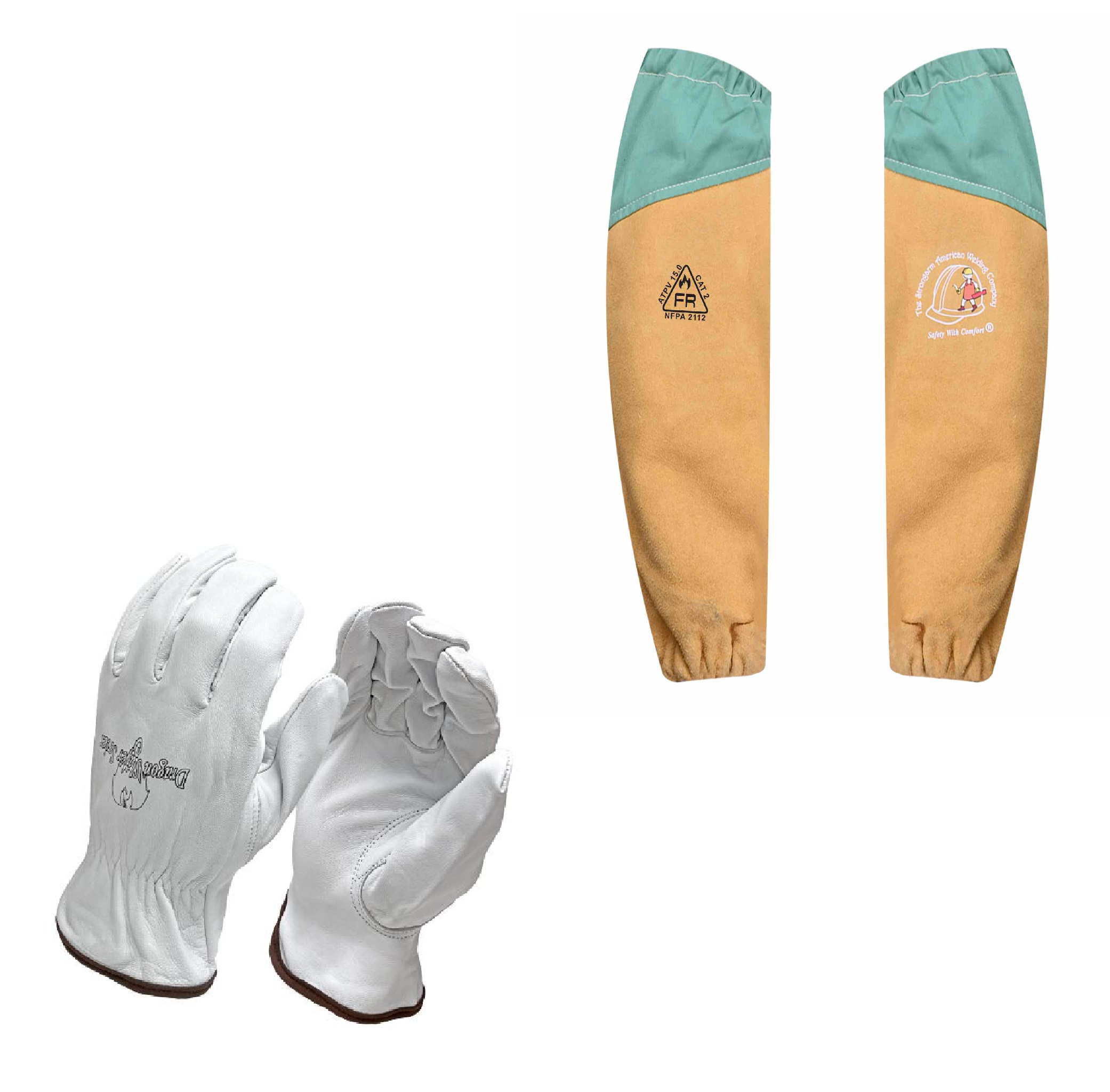
Goatskin: If you are doing TIG welding, goatskin is your best friend. It is much thinner and allows for the high dexterity required to feed a filler rod, yet it still provides impressive tensile strength.
-
Elkskin: Known for its comfort, elkskin doesn't harden as quickly when exposed to high heat, helping to reduce hand fatigue during long shifts.
2. High-Temperature Ratings
Not all "heat resistant" gloves are created equal. Before buying, check the specific temperature threshold. For intense applications like forging or heavy industrial welding, you should look for gloves that can withstand at least 900°F.
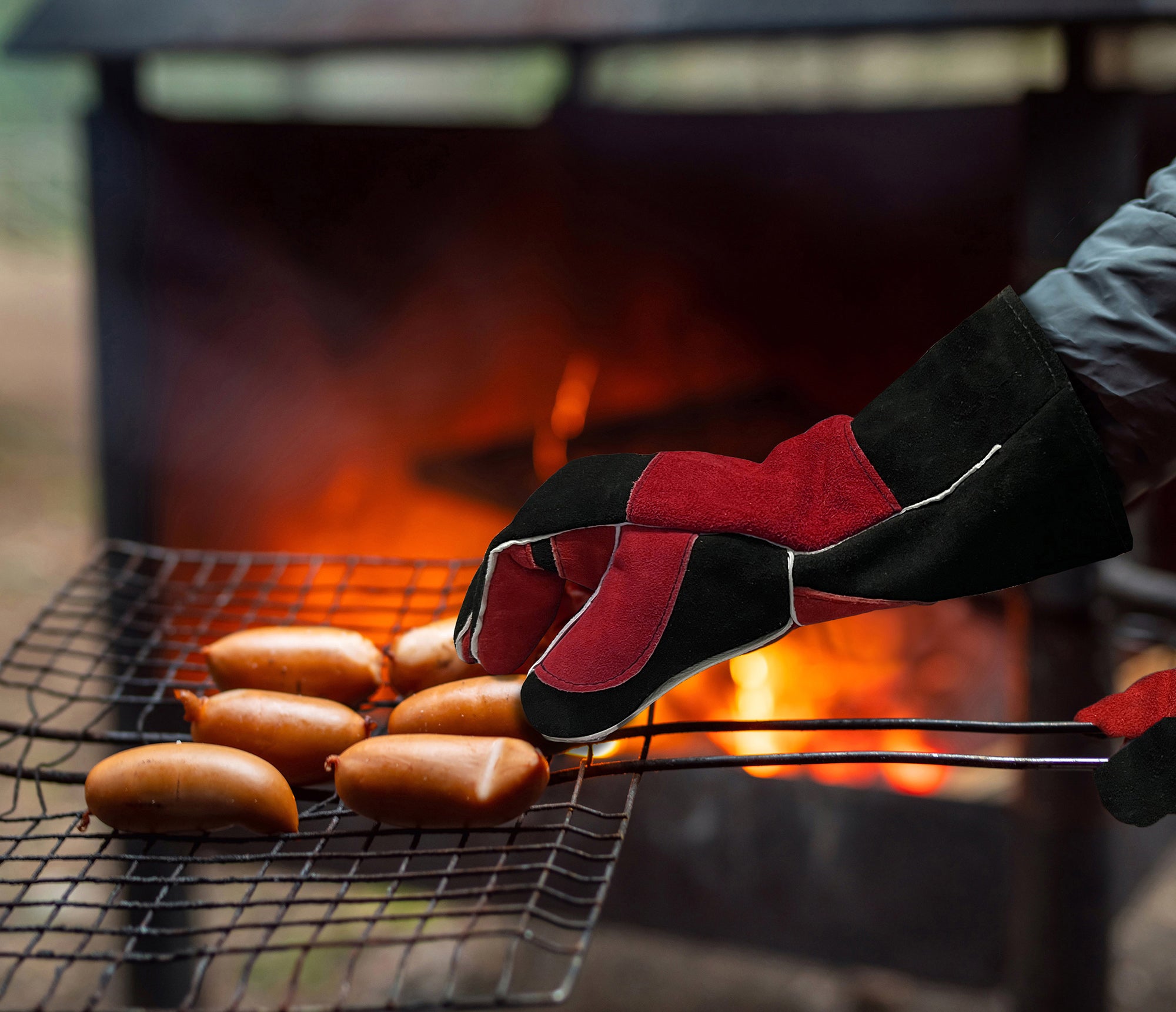
Strongarm Welding gloves are engineered to handle these extreme environments, with models rated to withstand temperatures up to 932°F (500°C). This level of protection is achieved through advanced multi-layer technology, making them an essential part of any welder’s Professional Welding Safety Gear & Protection, ensuring that even if the outer layer is hot, your skin stays cool.
Depending on your specific process, you can choose the exact tool for the job:
3. Insulation and Lining Technology
The outer leather is only half the story. The interior lining is what actually prevents heat from transferring to your skin. A high-quality glove should feature:
-
Air-Isolated Aluminum Foil: This reflects radiant heat away from the hand.
-
Flame-Retardant Cotton: Provides a soft touch while acting as a secondary thermal barrier.
-
Full Sock Linings: These ensure there are no "cold spots" (or in this case, "hot spots") where the insulation is missing. Strongarm Welding stands out by using a sophisticated four-layer system that includes both aluminum foil and insulated cotton for maximum thermal defense.
4. Stitching Strength (Kevlar® is Key)
- Avoid gloves with standard nylon thread because heat and sparks can quickly melt the seams.
- Choose gloves stitched with Kevlar® thread to improve flame resistance and seam strength.
- Rely on Kevlar stitching to prevent tearing under heavy mechanical stress and daily wear.
- Look for double-leather stitching to reinforce high-impact areas and extend glove lifespan.
- Trust Strongarm Welding gloves built with high-strength Kevlar sewing and durable construction for professional use.
5. Reinforcement in High-Wear Areas
To ensure your hands stay protected and your gear lasts through the toughest jobs, prioritize these reinforcement features when selecting your welding heat-resistant gloves:
-
Shield High-Impact Zones: Look for gloves that feature double-layered leather on the palms and fingertips to absorb the constant friction of handling heavy steel.
-
Fortify the Thumb Crotch: Choose designs with a reinforced thumb saddle to prevent the seams from splitting during repetitive gripping and pulling motions.
-
Defend the Back of the Hand: Select gloves with integrated padding on the back of the hand to provide a buffer against accidental impacts and flying debris.
-
Prioritize Heat Buffers: Seek out extra internal layers in the palm area that specifically block thermal transfer when you rest your hands on hot workpieces.
-
Trust Professional Engineering: Opt for Strongarm. Welding gloves, which utilize specialized multi-zone reinforcement to extend the lifespan of your safety gear in high-abrasion environments.
6. Cuff Length and Forearm Protection
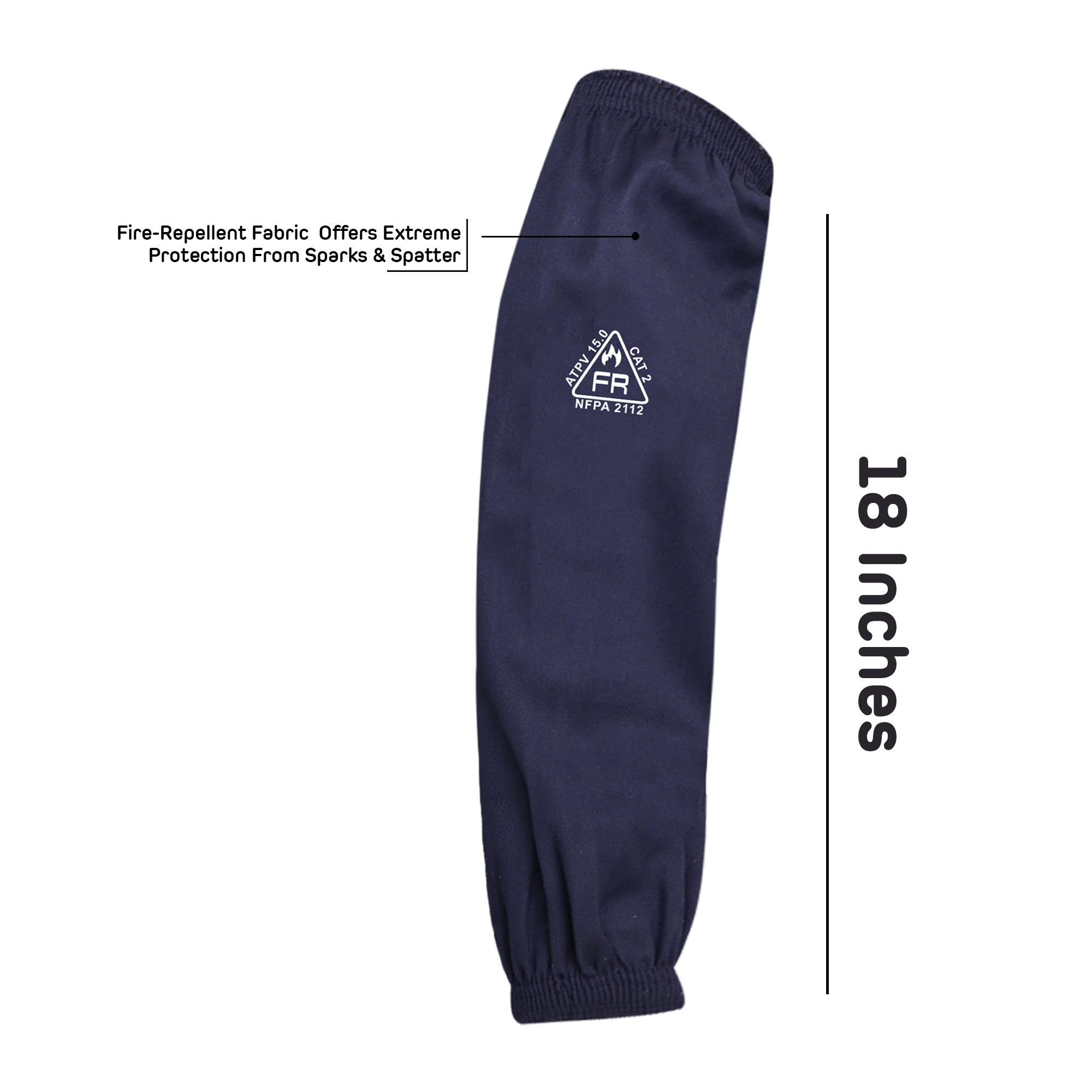
To ensure full-body safety and prevent painful burns beyond your hands, prioritize these cuff features when selecting your cool welding gloves:
-
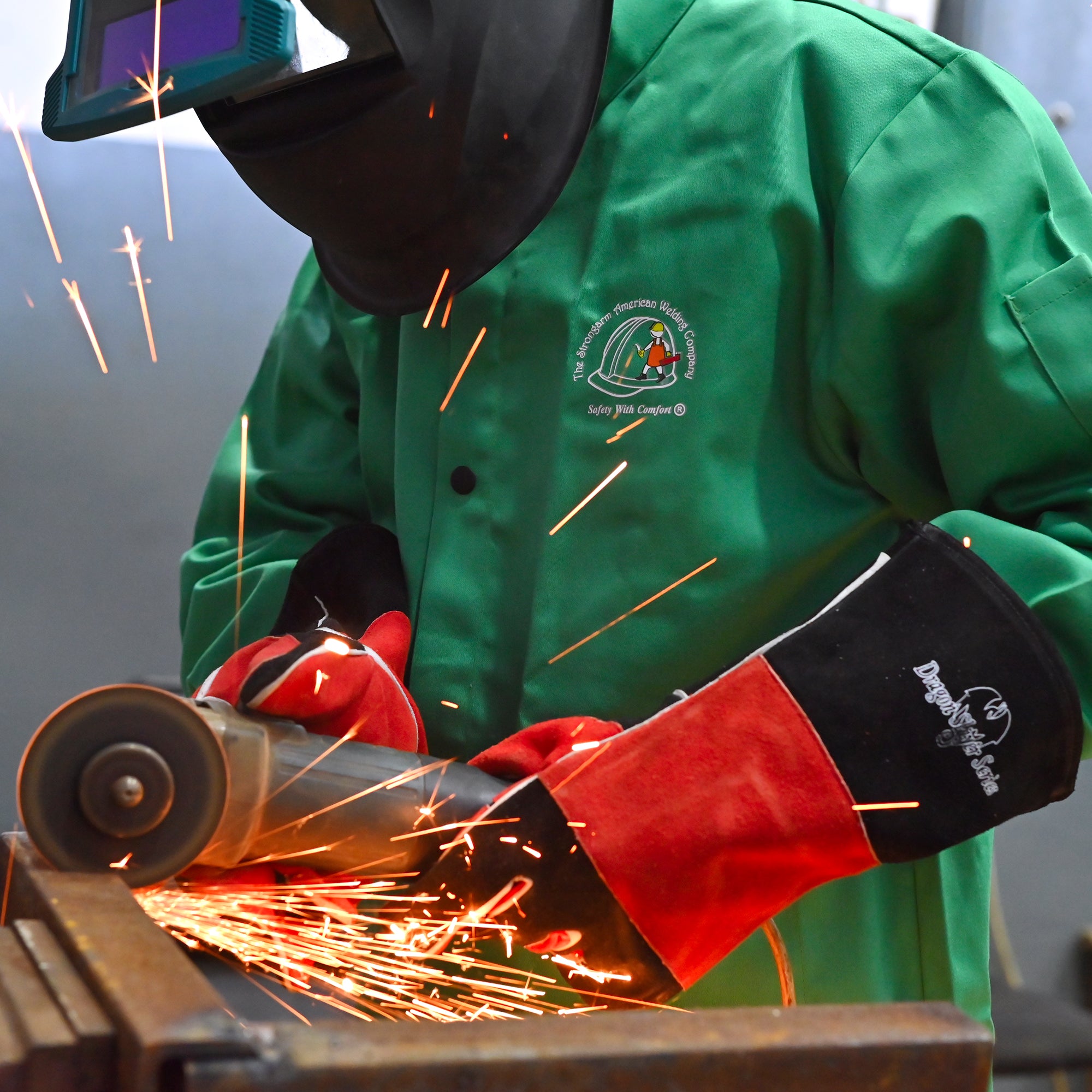
Block Falling Spatter: Use extended gauntlet cuffs to create a seamless barrier that prevents sparks from dropping into your sleeves.
-
Shield the Forearms: Select a total glove length of 14 to 16 inches to provide critical thermal protection for your lower arms.
-
Deflect Grinding Debris: Choose wide-flare cuffs that easily slide over jacket sleeves to deflect metal shavings and slag.
-
Stop Slag Intrusion: Ensure the cuff material remains stiff enough to stay open, catching stray debris before it reaches your skin.
-
Maximize Burn Coverage: Opt for long-reach designs to maintain constant skin coverage even when reaching or stretching during out-of-position welds.
7. Dexterity vs. Protection
- Choose gloves with ergonomic designs like wing thumbs and pre-curved fingers for a natural, secure grip.
- Avoid overly thick gloves that reduce torch control and limit precision while welding.
- Select balanced gloves that deliver strong heat protection without sacrificing flexibility.
- Trust brands like Strongarm Welding that design gloves specifically for real welders and job site demands.
- Work comfortably and safely with gloves that feel protective but never bulky like oven mitts.
8. Resistance to Oil and Moisture
Summary Checklist for Your Next Purchase:
-
Leather Type: Is it suited for your specific weld (MIG, TIG, or Stick)?
-
Temp Rating: Does it meet the $900^\circ\text{F}+$ requirement for heavy work?
-
Thread: Is it 100% Kevlar® stitched?
-
Lining: Does it have multi-layer insulation (like aluminum foil)?
-
Cuffs: Are they long enough (14"+) to protect your forearms?
-
Fit: Do they offer a "One Size Fits Most" or specific sizing that works for you?
-
Reinforcement: Are the palms and thumbs reinforced for longevity?
-
Brand Reputation: Does the brand (like Strongarm Welding) have a history of professional-grade quality?
- Ensure maximum safety on the job. Visit our blog to discover why Heat Proof Leather Gloves are an essential addition to your welding kit.
Voice Of Real Customers
John M., Houston, TX
"Strongarm Welding gloves fit perfectly and keep my hands safe from sparks. I can work all day without feeling burned or stiff."
Lisa R., Chicago, IL
"These gloves handle heat like a champ. I love how flexible they are; they give me control without compromising safety."
David K., Los Angeles, CA
"Durable, comfortable, and reliable. The Kevlar stitching hasn’t worn out even after weeks of heavy welding work."
Sarah P., New York, NY
"Finally, gloves that don’t crack or get stiff when wet. Strongarm Welding really understands what welders need."
Mark T., Miami, FL
"I’ve tried many brands, but these gloves last the longest and protect best. Worth every penny for professional work."
People Also Asked (PAA)
1. What makes welding gloves heat resistant?
Heat-resistant gloves use thick leather, reinforced stitching, and heat-proof linings like Kevlar® to protect hands from sparks and high temperatures.
2. Can welding gloves handle prolonged heat?
Yes, high-quality gloves like Strongarm Welding gloves can withstand long exposure to welding arcs without losing flexibility or protection.
3. How do I choose the right welding gloves?
Look for proper heat resistance, comfort, fit, dexterity, and reinforced stitching. Matching gloves to your welding type ensures safety and control.
4. Are leather gloves better than synthetic gloves for welding?
Yes, leather provides superior heat resistance, durability, and comfort compared to most synthetic alternatives.
5. How long do welding gloves typically last?
With proper use, Strongarm Welding gloves can last months or even years, depending on the frequency and intensity of welding tasks.
Final Thoughts
Investing in a high-quality pair of welding heat-resistant gloves is an investment in your career and your health. While it might be tempting to grab the cheapest pair off the rack at a big-box store, those gloves often lack the internal insulation and specialized stitching required for true safety.
By focusing on these eight criteria, you ensure that you can focus on the weld in front of you, rather than the heat on your hands. Strongarm Welding continues to be a top choice for American welders because they don't cut corners on these essentials. Their gloves are as reliable as Fireplace Gloves Made in USA, offering superior protection and durability. Stay safe, keep your hands protected, and keep those arcs steady.
Need Expert Advice on Your Protective Gear?
If you want to learn more about choosing the right welding heat-resistant gloves or need professional guidance on selecting complete body protection, our team stands ready to assist you.
-
Give Us a Call: 📞 Dial 1 678-691-2332 to speak directly with an industry expert.
-
Get Fast Answers: ⚡ Reach out immediately through our Contact Us Page for instant support, sizing advice, and ordering assistance.
Join the Strongarm Welding Community
Connect with our online network to discover new high-heat gear drops, exclusive flash promotions, and essential workshop safety guides:
We ensure your hands stay shielded from extreme temperatures so you can work with ultimate precision and confidence on every job site.
About the Author
This article is brought to you by the Strongarm Welding Team, a group of experienced welding professionals dedicated to hand safety and high-quality protective gear. They share expert tips and insights on choosing the best welding heat-resistant gloves for maximum protection and comfort on every job site.