Welding is one of the most in-demand and rewarding skills in America. Whether you are fixing farm equipment in rural Texas, building custom furniture in your garage in Ohio, or starting your first fabrication job in Georgia, welding opens doors. But before you strike that first arc, you need to get one thing right: your safety gear. Skipping proper protection is not brave. It is dangerous. UV radiation, flying sparks, molten metal, toxic fumes, and intense heat are all part of the welding environment. Without the right gear, a single mistake can cause severe burns, permanent eye damage, or worse. That is why every beginner needs a solid welding safety kit for beginners before they ever touch the machine.
At Strongarm Welding, we build protective gear specifically for welders who take their craft seriously. Every product we make is designed to handle real heat, real sparks, and real job-site conditions. This guide walks you through exactly what you need to weld safely from day one.
Why Safety Gear Is Not Optional for New Welders
A lot of beginners underestimate how quickly things can go wrong in a welding environment. The arc itself produces ultraviolet and infrared radiation strong enough to cause arc eye, a painful condition similar to a sunburn on your cornea. Sparks travel up to 35 feet. Metal stays hot long after the arc stops. Fumes from coated metals can cause serious respiratory damage over time. That is why Welding Protective Gear plays such a critical role in keeping welders safe on the job.
The good news is that the right protective gear eliminates most of these risks completely. When you gear up properly, you weld with confidence. You focus on your technique, not on whether your arm is about to catch fire. Safety gear does not slow you down, it makes you a better, more focused welder.
The Essential Gear Every Beginner Needs
Here is a breakdown of every category of gear you need before you strike your first arc. Strongarm Welding covers all of these with products built to last and protect.
1. Leather Welding Jackets
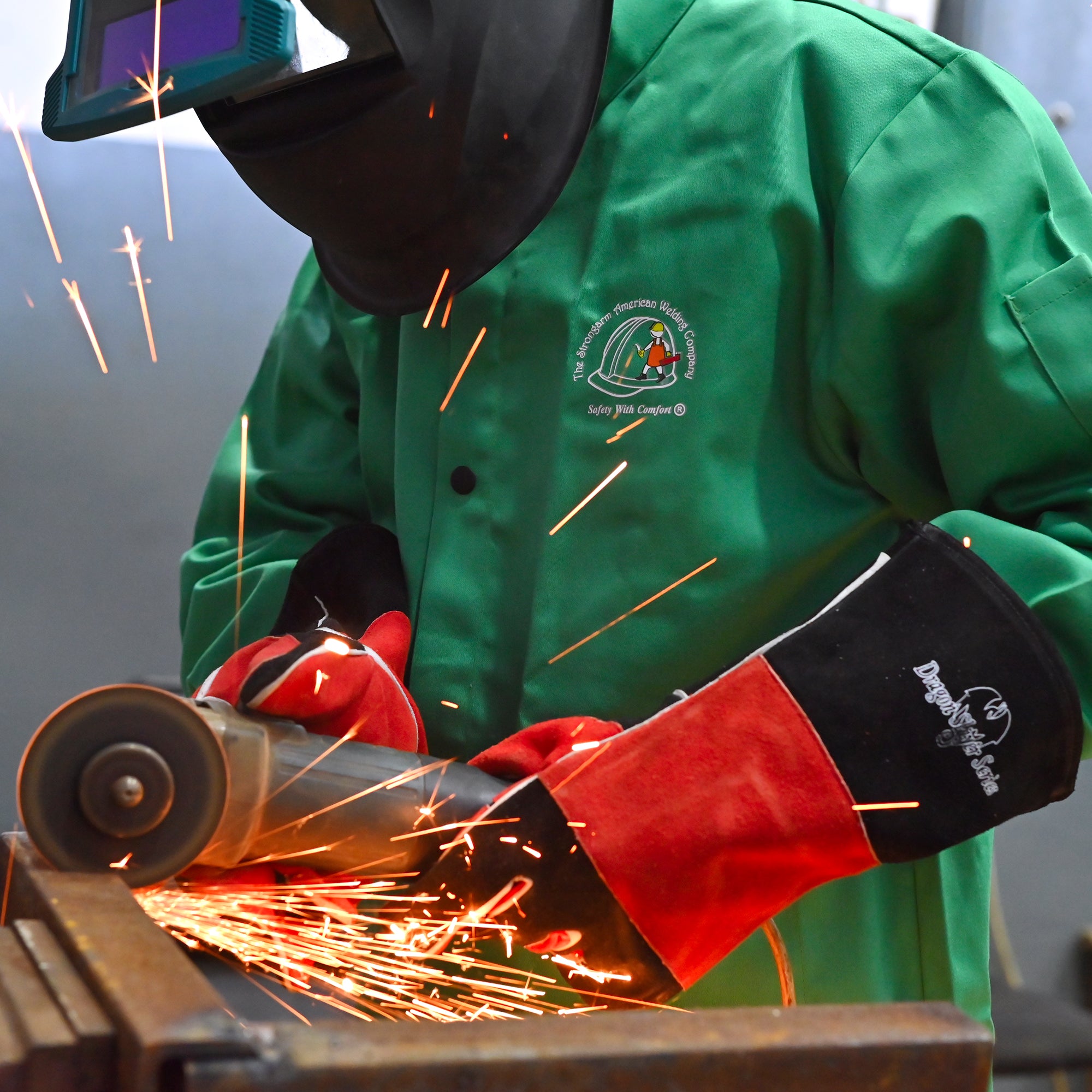
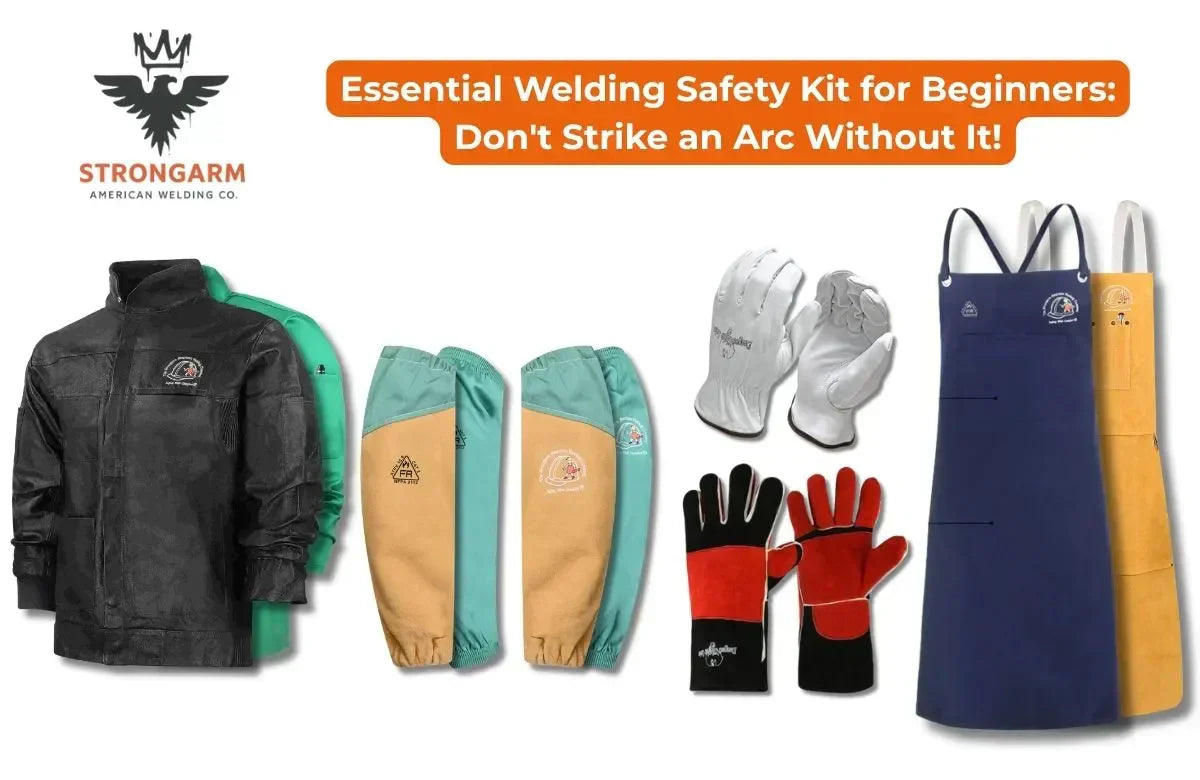
Your torso and arms take the most punishment during welding. Sparks land on your sleeves, slag drips down your chest, and heat radiates from every direction. A quality leather welding jacket is your first and most important layer of protection. Strongarm Welding leather welding jackets are premium split leather that gives you full arm and torso coverage without restricting your movement. Whether you are overhead welding or working tight angles, the jacket moves with you.
When you shop for a leather welding jacket, look for:
- Full grain or split leather construction for maximum heat resistance.
- Adjustable cuffs and collar to seal out sparks.
- Roomy fit that lets you layer underneath in cold conditions.
- Reinforced stitching at stress points so the jacket lasts for years.
2. Leather Welding Gloves
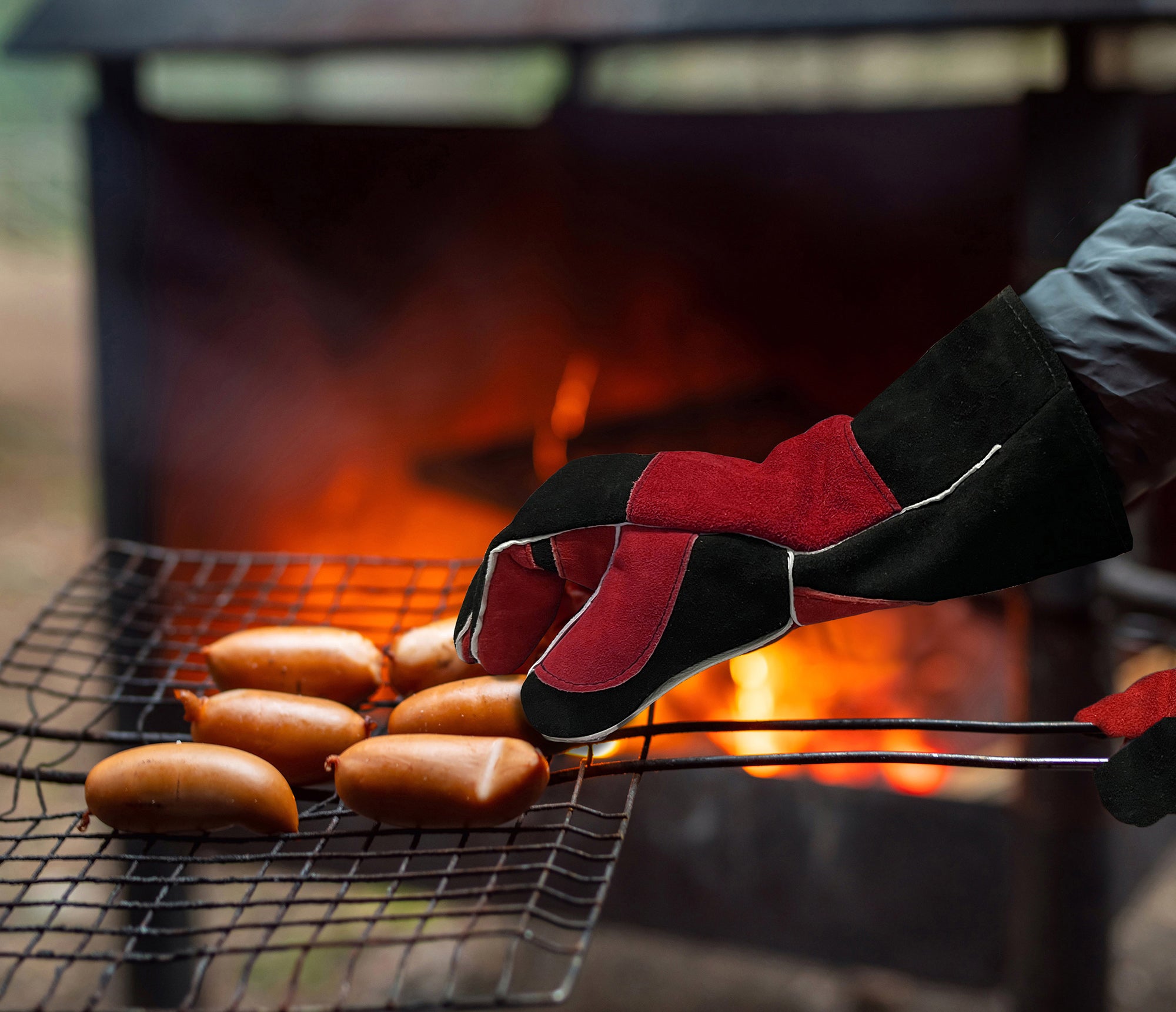
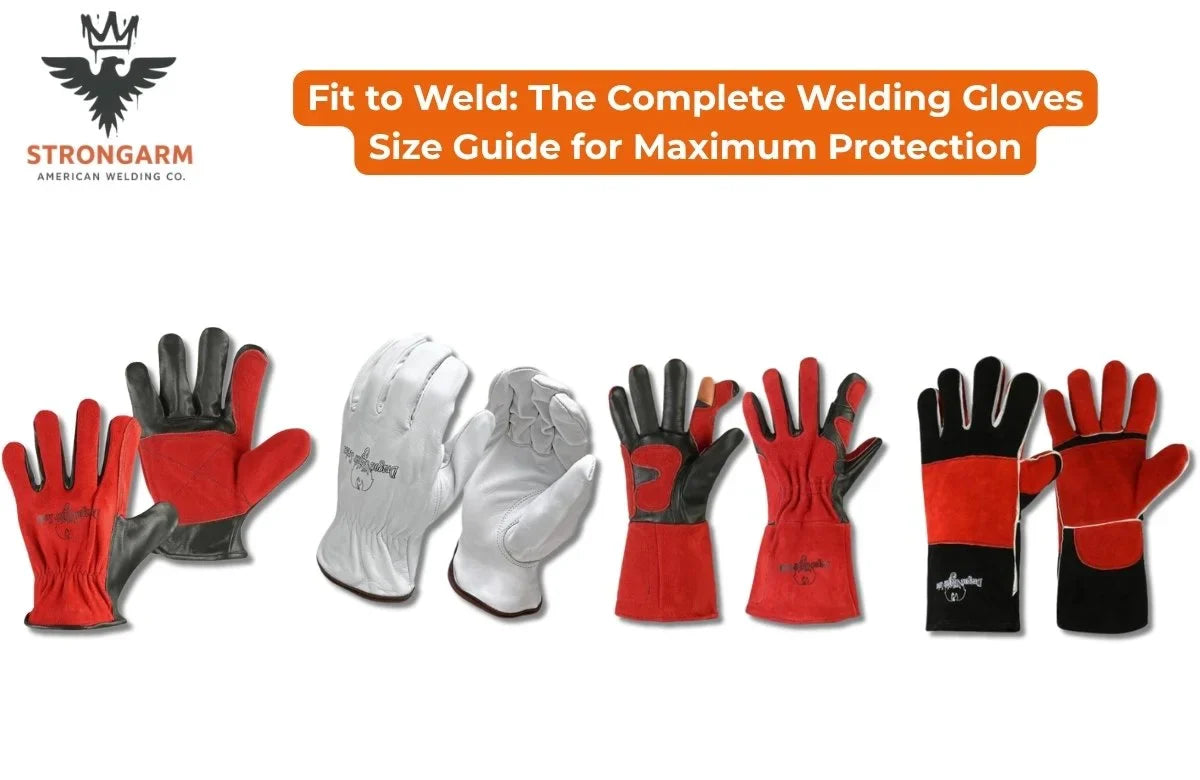
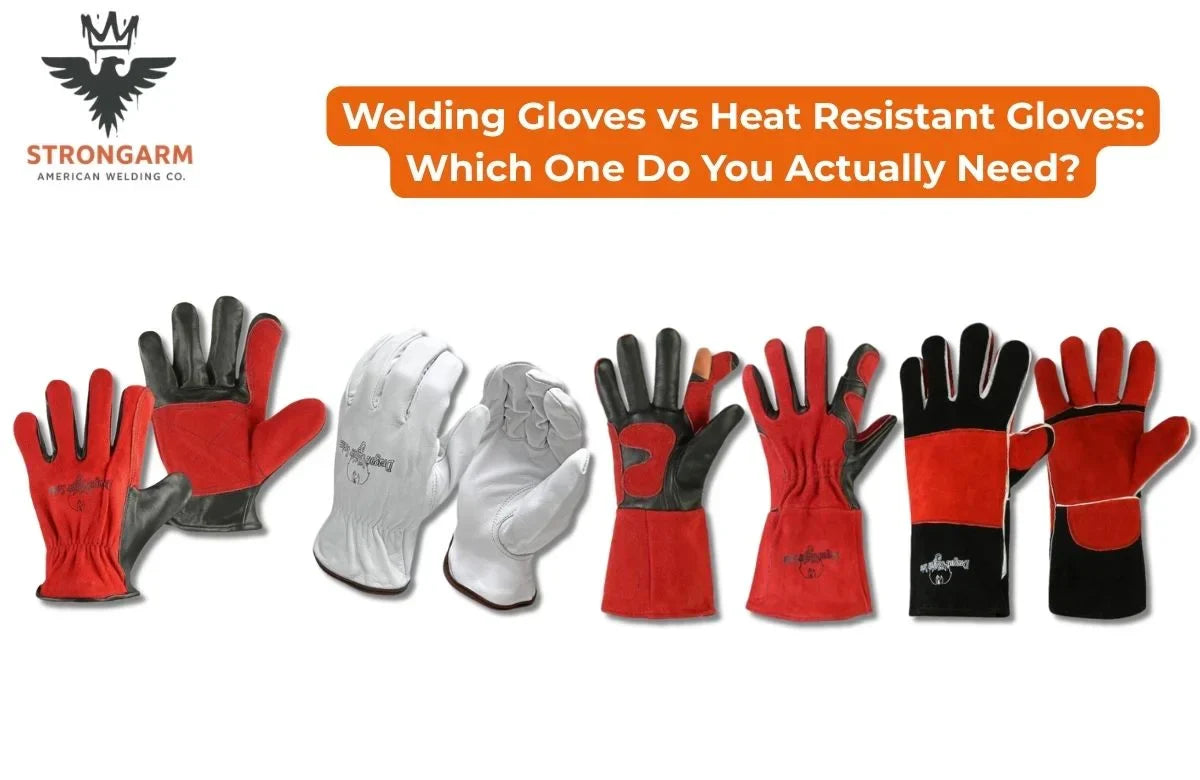
Your hands are closest to the arc at all times. Burns to the hands are one of the most common welding injuries, and they are also one of the most preventable. Bare hands or thin work gloves are never acceptable near a welding arc. Strongarm Welding leather welding gloves give your hands full protection without sacrificing the grip and feel you need to control your torch or electrode. Our gloves use thick cowhide or pigskin leather with extended gauntlet cuffs that protect your wrists and lower forearms, the spots where sparks love to sneak in.
What makes a great pair of welding gloves:
- Thick leather palm and fingers that block radiant heat and sparks.
- Gauntlet-style cuffs that extend up the forearm for wrist protection.
- Lined interior for comfort during long welding sessions.
- Flexibility that lets you maintain a firm, controlled grip on your equipment.
3. Leather Welding Aprons
If you already wear a leather jacket but need extra protection for your core and legs, or if you prefer a lighter alternative on warmer days, a leather welding apron is an excellent addition to your kit. Strongarm Welding leather welding aprons cover your chest, abdomen, and upper thighs, the zones most exposed to sparks and spatter during bench welding and fabrication work. They are quick to put on, easy to adjust, and built from the same premium leather as our jackets.
A good welding apron should offer:
- Full front coverage from chest to knee for maximum protection.
- Adjustable neck and waist straps for a secure, comfortable fit.
- Heavy-duty leather that deflects sparks and absorbs heat.
- Durable hardware that does not loosen during a full day of work.
4. Leather Welding Sleeves
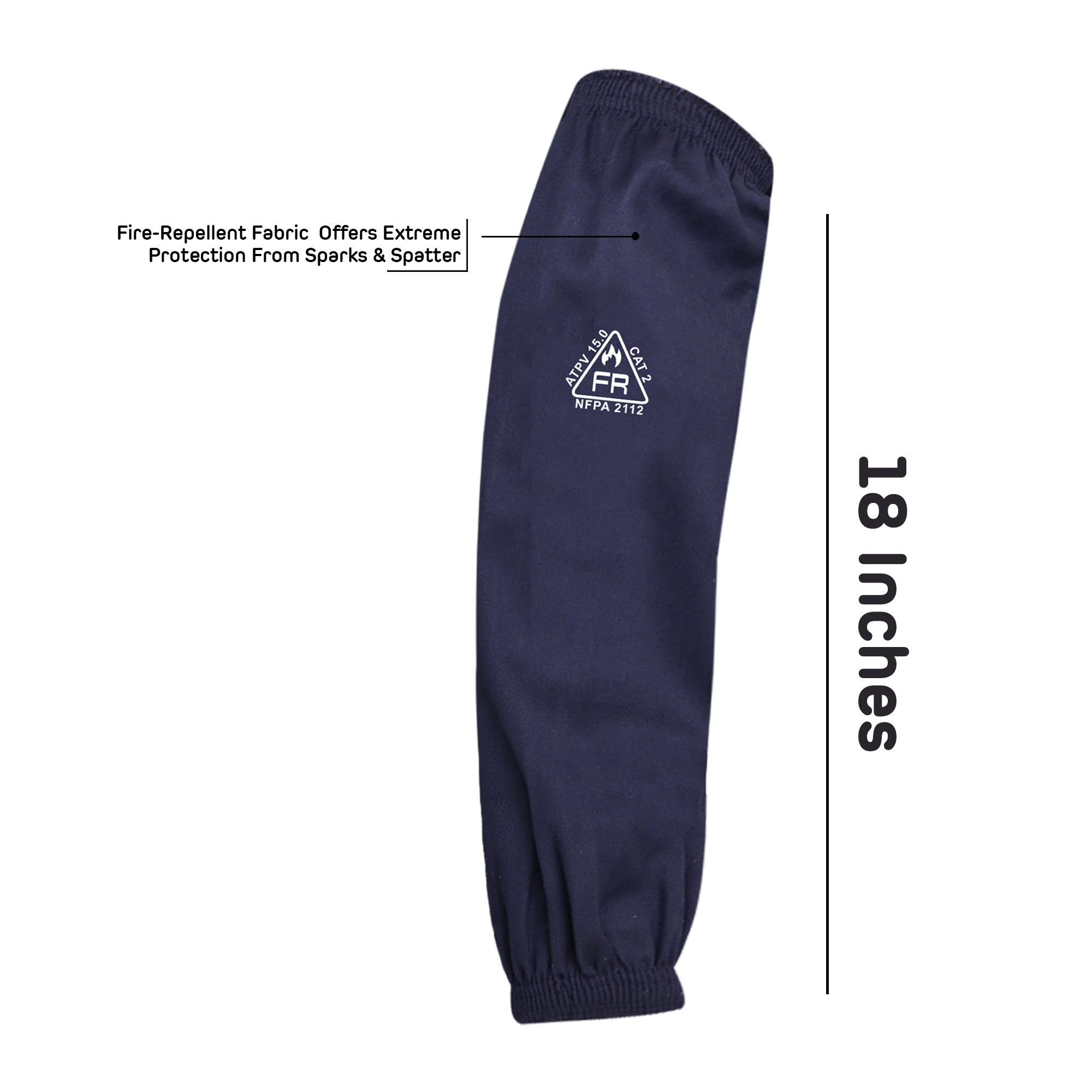
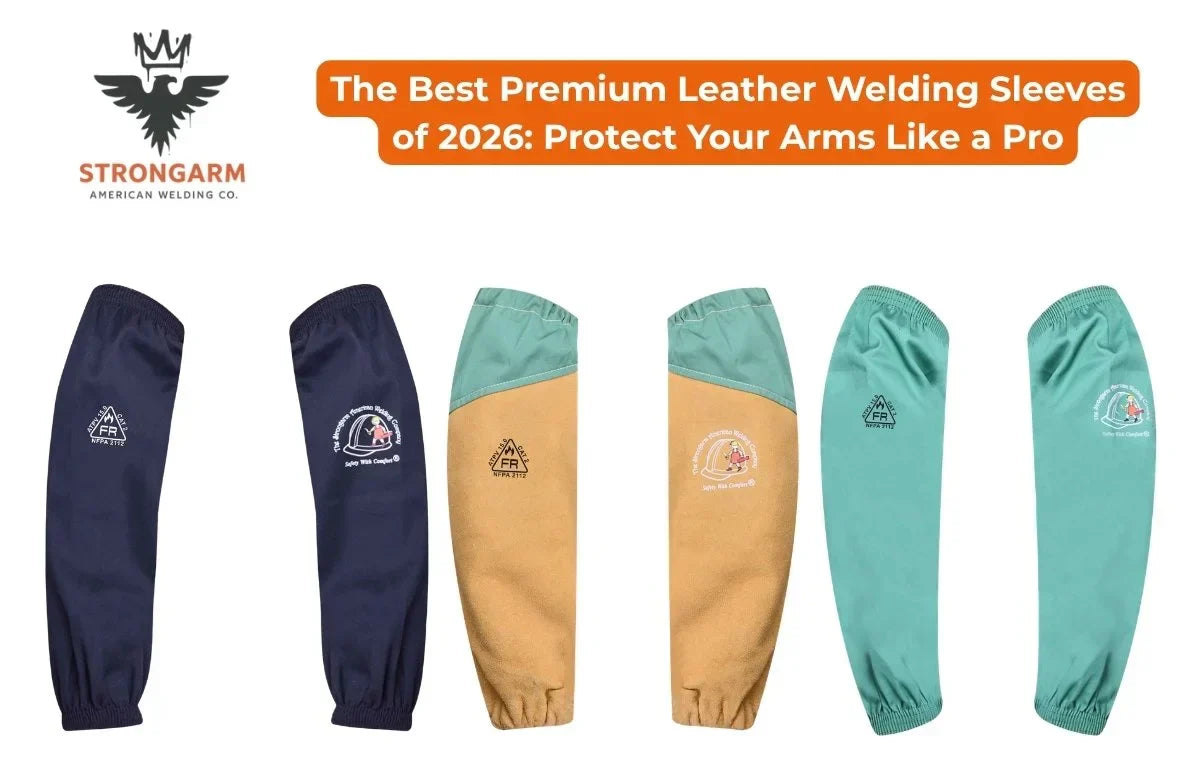
In hot summer months, wearing a full leather jacket all day is not always practical. Leather welding sleeves give you focused arm protection without the full jacket, making them a smart choice for welders who work in warm environments or need flexibility between tasks. Strongarm Welding leather welding sleeves snap or strap on quickly and stay in place even during active movement. They protect your forearms and upper arms from sparks, spatter, and heat, the areas most at risk when you do not have a full jacket on.
Key features to look for in welding sleeves:
- Full arm coverage from wrist to shoulder for complete protection.
- Secure elastic or snap closures that prevent slipping mid-weld.
-
Lightweight leather that breathes better than a full jacket in warm weather.
- Easy on and off so you can transition between tasks quickly.
5. Welding Safety Kits
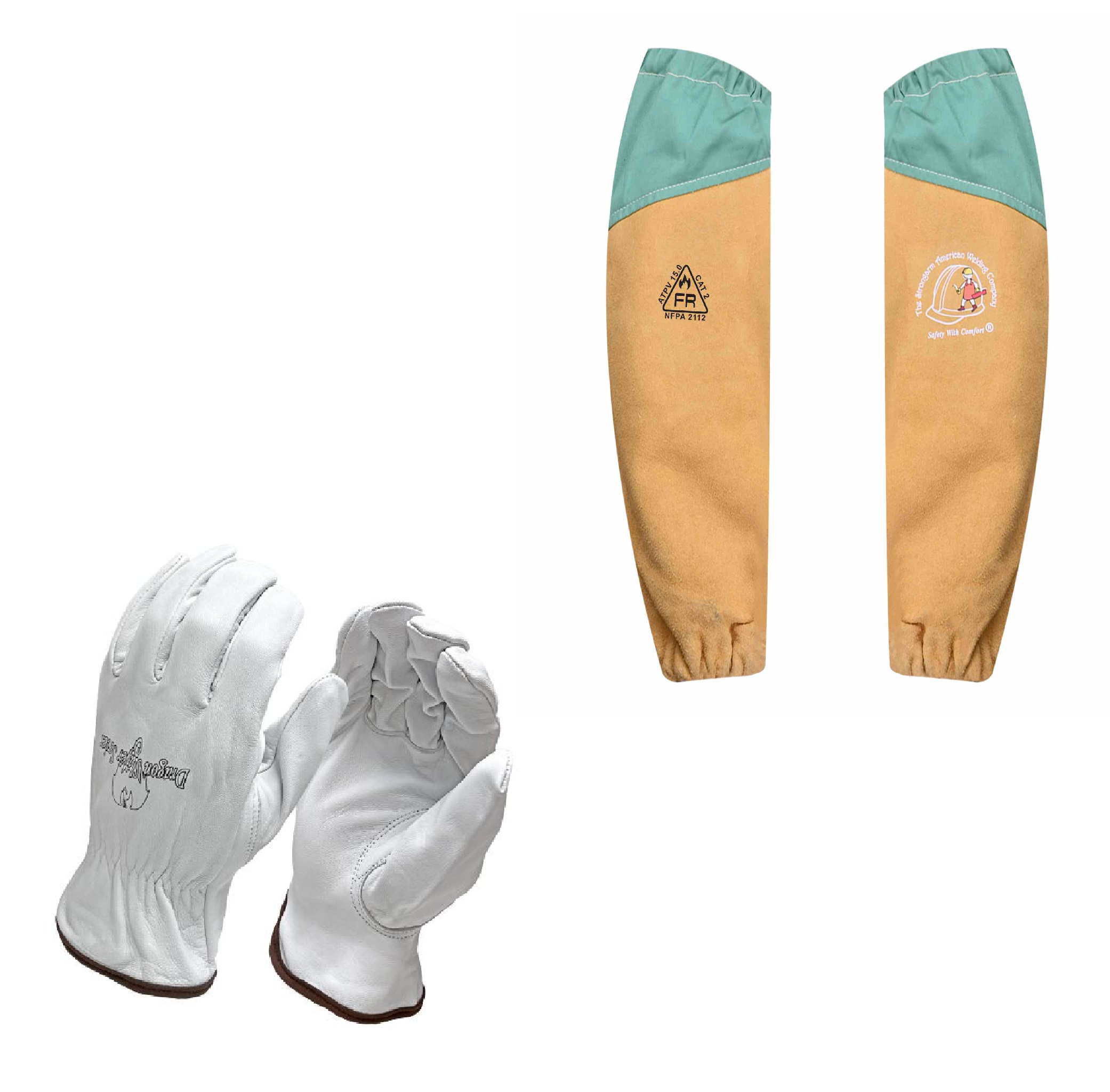
If you are just starting out and want everything in one place, a complete welding safety kit is the smartest way to gear up. Instead of hunting for each piece separately, a kit gives you a matched set of protective gear that works together and covers every angle. Strongarm Welding safety kits bundle our core protective products so beginners get everything they need from day one. Our kits are designed to take the guesswork out of building your setup, you get gear that fits, works together, and gives you full-body protection right out of the box.
A quality welding safety kit typically includes:
- A leather welding jacket or apron for torso and arm protection.
- Leather welding gloves with extended cuff coverage.
- Leather welding sleeves for additional arm protection in warm conditions.
- Matching gear sized and designed to work as a complete system.
Sorry about that! Here is the added section, just paste it after your Welding Safety Kits section:
6. High Visibility Apparel Non-FR
Working in busy job sites, roadside environments, or low-light conditions adds another layer of risk that welders and trade workers deal with every day. Being seen by coworkers, heavy equipment operators, and passing vehicles is just as important as being protected from sparks and heat. High visibility apparel non-FR keeps you visible and safe in high-traffic work environments without the bulk of flame-resistant gear. These pieces are built for workers who need to stand out on the job site and move freely at the same time.
When choosing high visibility apparel, look for:
- Bright fluorescent colors like yellow, orange, or green that stand out in any lighting condition.
- Reflective strips that catch light and keep you visible during low-light or nighttime work.
- Lightweight and breathable fabric that does not slow you down on the job.
- Proper ANSI/ISEA class rating that matches your specific work environment requirements.
Build Your Kit the Right Way From the Start
One of the biggest mistakes new welders make is buying cheap gear and replacing it every few months. Thin gloves burn through. Synthetic materials melt. Low-quality aprons fall apart at the seams. In the long run, cutting corners on safety gear costs you more money and puts you at greater risk. Strongarm Welding builds gear that lasts. We use real leather, reinforced stitching, and hardware that holds up to the demands of daily welding. When you invest in quality gear at the start, you protect yourself better and spend less over time.
Here is a simple way to build your kit as a beginner:
-
Start with the basics: gloves and a jacket or apron. These cover your most vulnerable areas.
-
Add sleeves: if you work in warm conditions or need more flexibility between tasks.
-
Consider a full kit: if you want everything matched and ready to go from day one.
-
Replace gear when it wears: do not weld with cracked leather or worn-through gloves. Inspect your gear regularly.
The right gear makes all the difference on the job site. Explore our Welding Clothing & Protective Gear page and find everything built to protect you from sparks, heat, and spatter.
Critical Workspace Safety Tips for Absolute Beginners

While wearing the right safety apparel provides a massive shield against injuries, maintaining a secure working environment completes your safety protocol. Integrate these simple, active habits into your daily welding routine:
-
Fasten All Closures Completely: Button your jacket all the way to your throat and secure your sleeves over your gloves. Stray sparks have a unique knack for finding small gaps in loose clothing.
-
Keep Your Workspace Dry: Never weld in damp areas or standing water. Moisture dramatically increases your risk of sustaining a dangerous electric shock from your machine.
-
Clear Out Flammable Materials: Sweep up sawdust and move gasoline cans, aerosol sprays, cardboard boxes, and paper at least 35 feet away from your active welding area.
-
Maintain Proper Ventilation: Position a fan to draw welding fumes away from your face, or wear a compact respirator beneath your helmet to protect your lungs from airborne metal particulates.
-
Protect Your Hearing: Grinding metal and striking arcs generate high-frequency noises that cause long-term hearing damage. Always pop in a pair of earplugs before you start fabricating.
- Looking for more storage on the job? Read our Leather Welding Apron with Pockets page to see the full details.
Your Safety Is the Foundation of Your Journey