A high-quality Welding Leather Apron is one of the most important protective items a welder can use, especially in professional workshops and industrial environments across the USA. From shielding the upper body against sparks to preventing heat-related injuries, a leather apron provides unmatched safety and durability. Welders rely on heavy-duty gear because workplace hazards are constant, and choosing the right apron makes a huge difference in comfort, performance, and long-term protection. Companies like Strongarm Welding deliver specialized welding gear that meets the expectations of both new and experienced welders. As demand for premium welding products grows, understanding the features and benefits of a reliable apron helps workers choose gear that keeps them safe and productive.
Why a Welding Leather Apron Matters in Modern Workshops
A welding shop exposes workers to flying sparks, molten metal, and extreme heat. These risks require reliable protection that stands up to daily use. Leather Welding Aprons remain the top choice for welders because they resist heat, flame, and abrasion far better than synthetic fabrics. Welders across the USA prefer leather aprons due to their durability and superior shielding qualities. A standard cloth apron cannot protect against intense heat, while leather forms a natural barrier that absorbs impact, spark bursts, and grinding debris. Strongarm Welding has earned a solid reputation for producing rugged welding gear that supports safety without compromising comfort. When welders invest in high-grade aprons, they reduce injury risks and create a safer working environment for everyone around them.
Key Features That Make Leather Aprons Essential for Welding
- The best Leather Welding Aprons offer a strong balance of durability, flexibility, and heat resistance for demanding work environments.
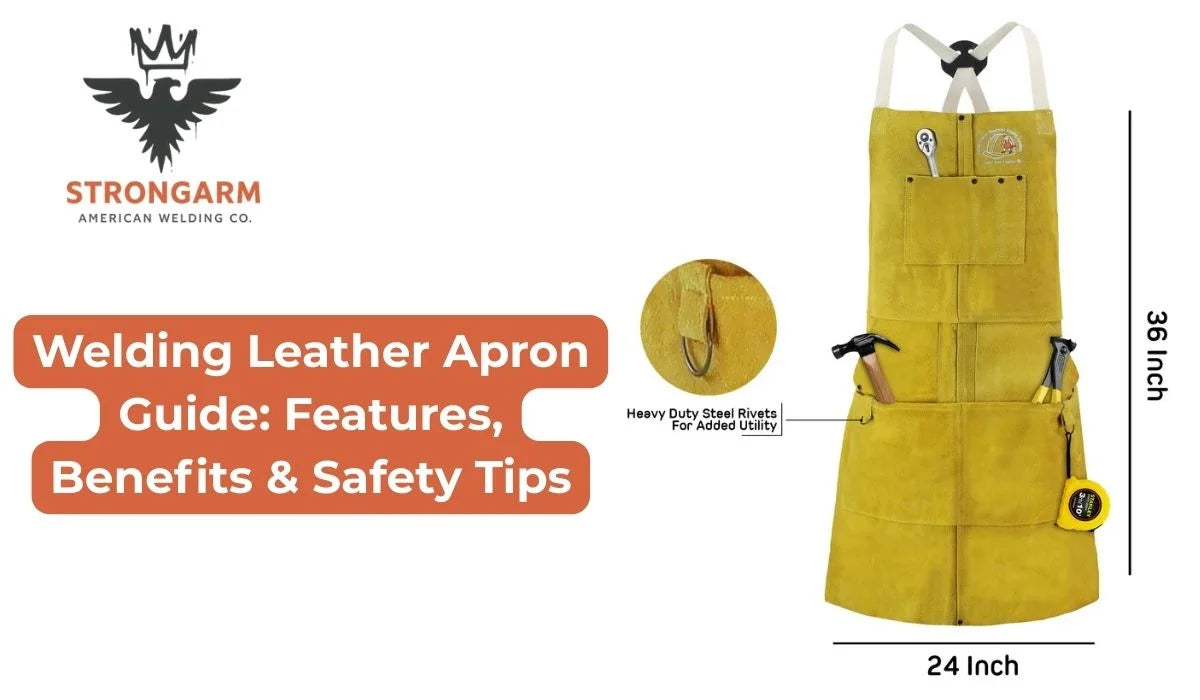
- High-quality aprons use split cowhide or premium buffalo leather to withstand sparks and long-term wear.
- Reinforced stitching, heavy-duty straps, and adjustable buckles ensure a secure and stable fit during welding tasks.
- Built-in leather pockets and tool holders provide easy access to essential tools while working.
- Strongarm Welding designs aprons focused on real job site needs, improving safety and comfort in high-temperature conditions.
Benefits of Using a Welding Leather Apron for Daily Work
1. Heat Insulation: Leather naturally protects against high temperatures, allowing welders to work confidently near hot materials and flames.
2. Puncture and Spark Resistance: The apron resists sharp edges, metal fragments, and flying sparks, reducing the risk of injuries.
3. Burn Prevention: Acting as the first line of defense, the apron prevents burns from sparks and slag during welding tasks.
4. Improved Mobility: Leather flexes with movement, offering better comfort and freedom compared to stiff synthetic materials.
5. Long-Term Comfort and Productivity: High-quality aprons from Strongarm Welding mold to the wearer’s body over time, supporting long shifts while maintaining safety and efficiency.
How Leather Aprons Compare to Other Welding Gear
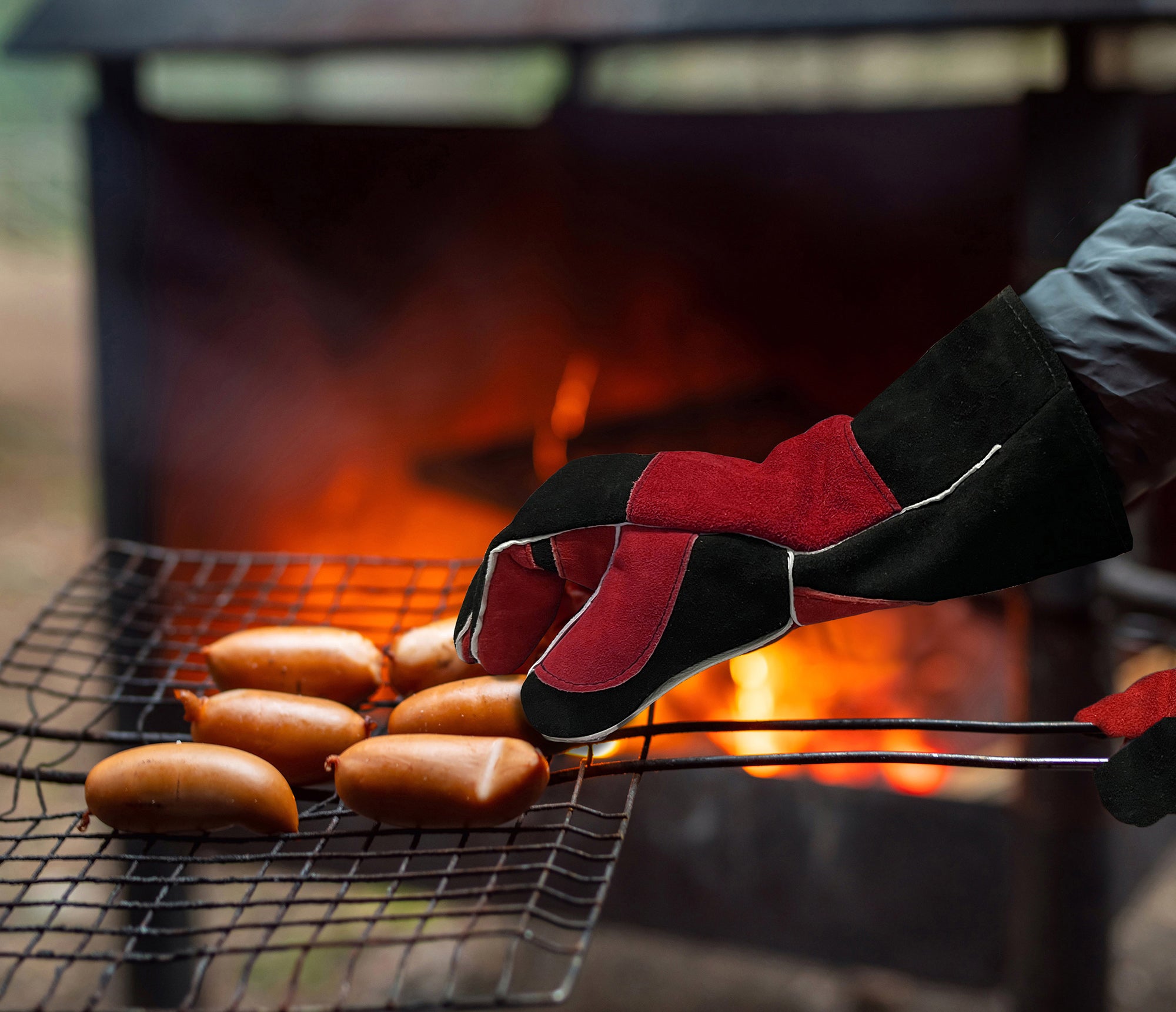
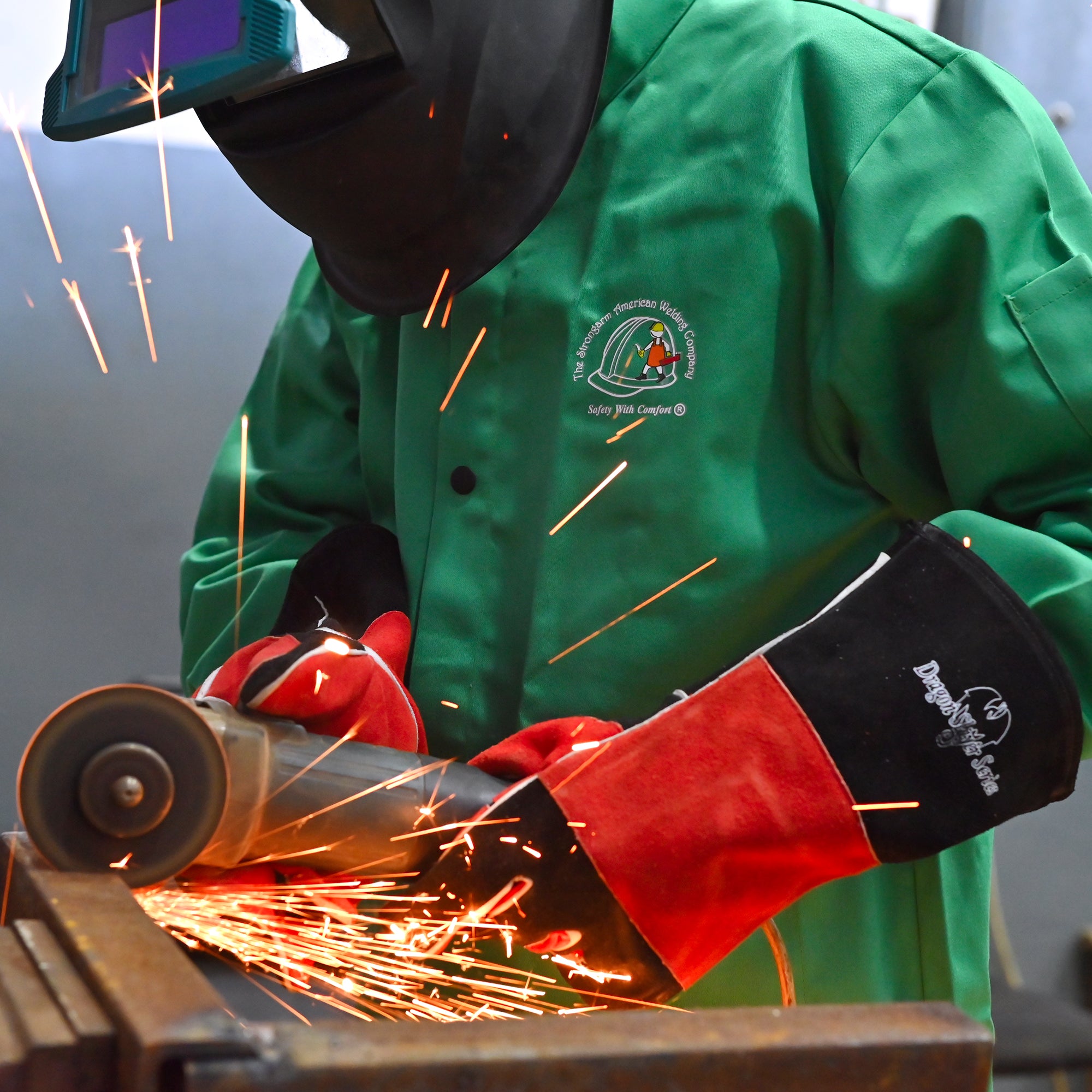
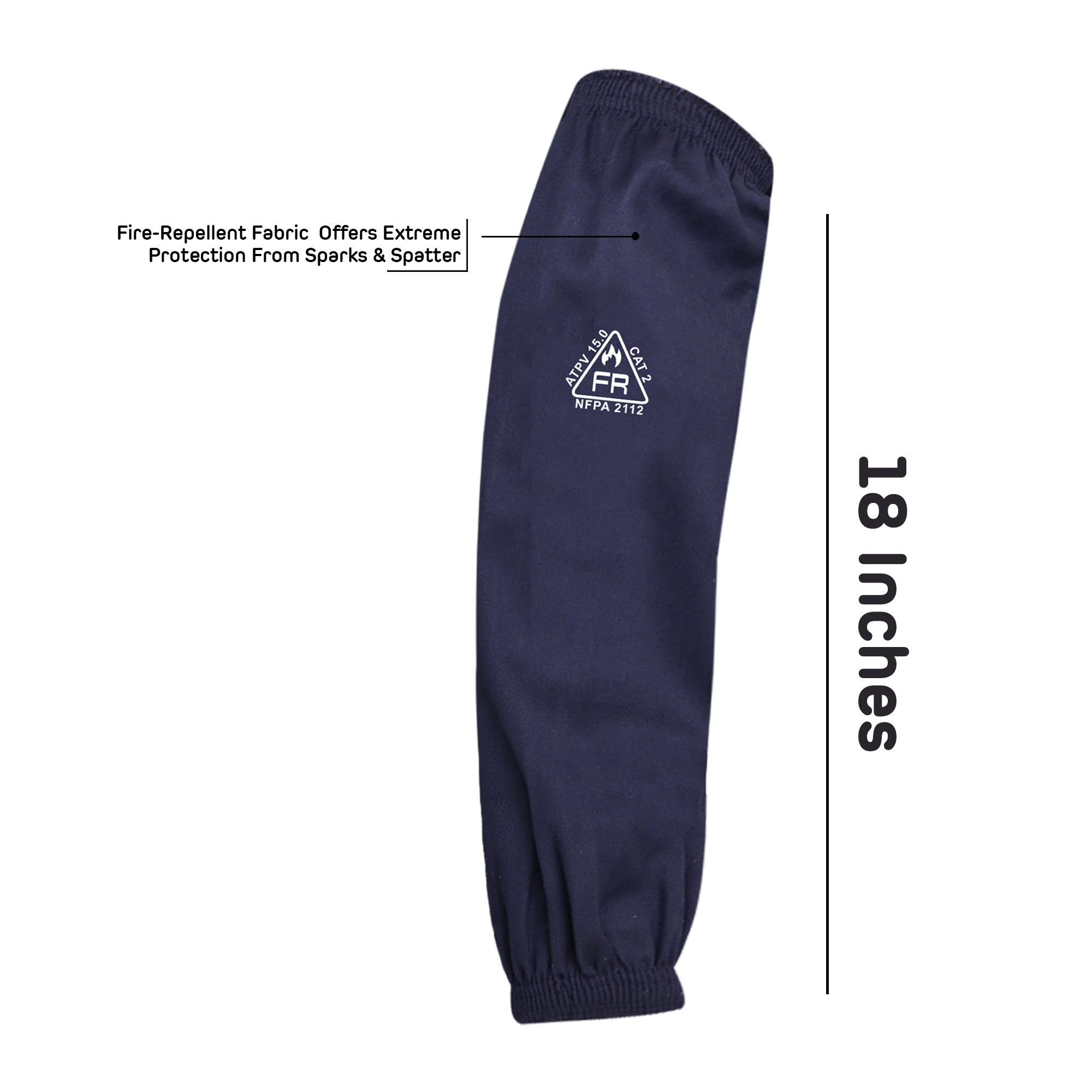
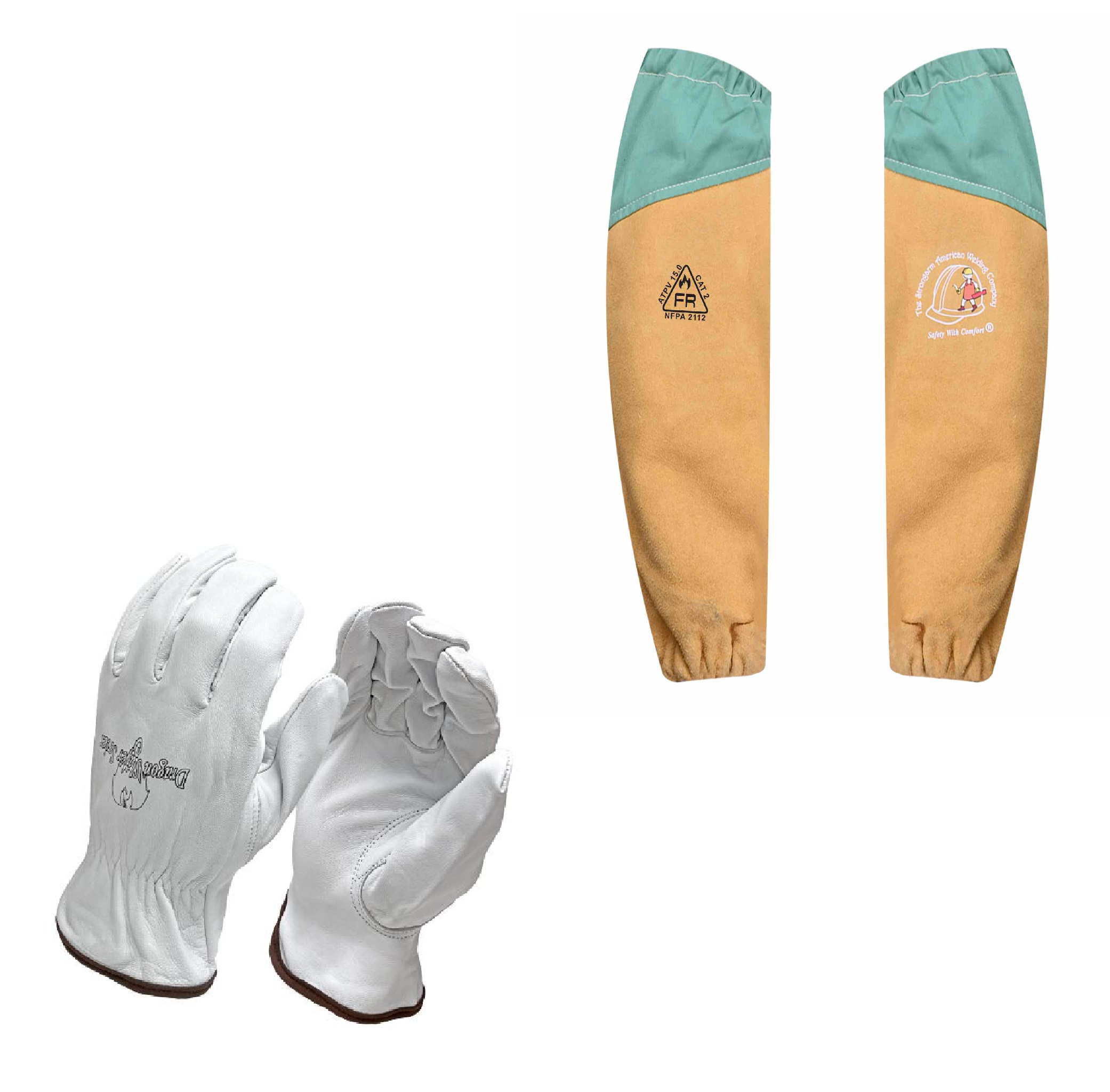
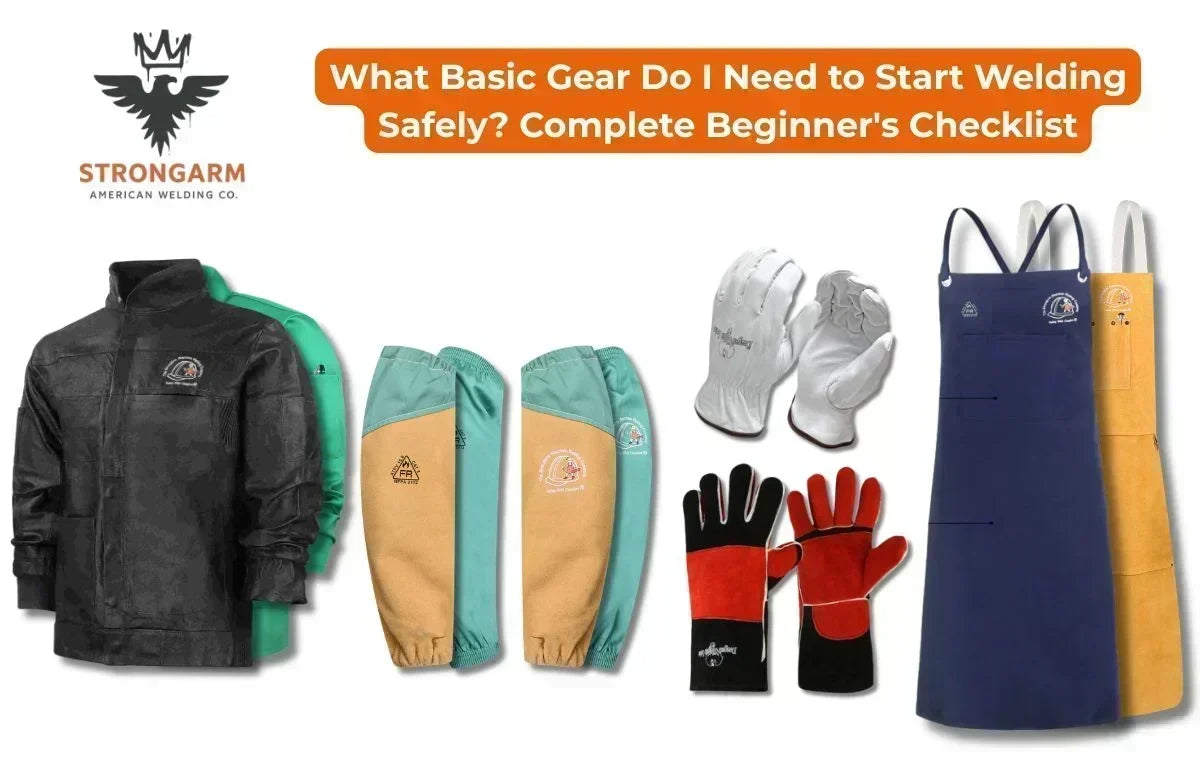
Although many types of Welding Protective Gear exist, leather aprons remain one of the most reliable options for upper-body protection. Flame-resistant (FR) jackets and shirts offer valuable coverage, but they can feel hot and restrictive during long sessions. Leather, on the other hand, provides a better balance of flexibility and protection without trapping excessive heat. FR sleeves and gloves add support but cannot replace the coverage an apron provides. Fr Aprons offer flame resistance, but they lack the rugged thickness and burn-proof qualities of genuine leather. Welders who handle heavy grinding, cutting, or MIG and TIG applications usually depend on leather aprons because they shield against high heat and sharp debris. Strongarm Welding ensures that welders receive protective products built to last, giving them confidence on the job.
Why Leather Aprons Are Preferred for Welding Safety
- Leather Aprons For Welding provide reliable protection backed by long-standing industry use and experience.
- Leather naturally resists heat and effectively shields welders from sparks and molten slag.
- Unlike synthetic materials, leather does not melt or drip when exposed to high temperatures.
- These aprons offer strong durability, making them ideal for grinding, cutting, and heavy torchwork tasks.
- Welders in the USA prefer leather aprons for their ability to reduce burns and improve overall workplace safety.
Safety Tips for Using a Welding Leather Apron
Proper usage of a welding apron helps maximize safety. Welders should fasten all straps securely to prevent loose fabric from catching sparks or equipment. Keeping the apron clean is important because built-up debris can ignite under extreme heat. Regularly inspecting the leather for cracks, thinning areas, or loose stitching ensures the apron remains reliable. Welders should pair the apron with gloves, sleeves, helmets, or FR Aprons for full-body protection. Storing the apron in a cool, dry place also helps preserve its strength and flexibility over time. With consistent care, a high-quality leather apron like those from Strongarm Welding continues to provide dependable safety throughout its lifespan.
How to Maintain and Clean Your Welding Leather Apron
- Proper maintenance of a leather apron ensures long-lasting performance and reliable protection.
- Regular cleaning removes dust, metal particles, and grease that can weaken the leather or increase safety risks.
- Harsh chemicals should be avoided as they can dry out the leather and cause cracking over time.
- A soft damp cloth can be used for cleaning, followed by leather conditioner to maintain flexibility and durability.
- Consistent care helps extend the lifespan of the apron, ensuring continued protection for welders in demanding USA job environments.
Common Mistakes Welders Make When Using Leather Aprons
- Many welders reduce their protection by wearing the apron loosely, allowing sparks to enter and cause burns.
- Ignoring early damage like thinning leather or loose stitching lowers the safety performance of the gear.
- Using a damaged apron without repair or replacement compromises overall workplace protection.
- Misusing the apron for tasks like handling corrosive chemicals can weaken the leather material.
- Overloading pockets can strain the apron, but choosing a Leather Apron with Pockets and using it properly helps maintain safety and durability during welding tasks.
Choosing Between Full-Length and Half-Length Leather Aprons
- Welders choose apron length based on the type of work and level of protection required.
- Full-length aprons provide maximum coverage from chest to ankles for heavy spark and heat exposure.
- They are commonly used in fabrication shops and industrial environments with intense welding tasks.
- Half-length aprons offer greater mobility and are ideal for lighter welding, grinding, and machining work.
- Selecting the right apron style improves comfort, safety, and overall job performance.
Choosing the Right Leather Apron for Welding
- Selecting the right apron requires understanding different designs and materials used in welding safety gear.
- Some welders prefer full-length aprons for maximum protection, while others choose mid-length designs for better mobility.
- The thickness of the leather plays an important role in how well the apron handles extreme heat during welding tasks.
- Adjustable straps, padded shoulders, and reinforced stitching improve comfort, durability, and long working hours performance.
- Welders also benefit from pockets and organizational features, and Strongarm Welding aprons provide reliable protection with flexibility for precision work.
Leather Aprons for Hot Work: Why They're Industry Standard
When welders encounter high-temperature applications and intense heat exposure, the choice of protective gear becomes critical. For hot work a leather apron is generally recommended because it provides superior thermal protection compared to all other materials. Whether you're performing heavy MIG welding, TIG welding in high-heat environments, or working with molten metal, leather's natural resistance to extreme temperatures makes it the trusted choice among professional welders across the USA. Strongarm Welding specializes in aprons specifically designed for hot work applications, ensuring that your upper body remains protected while maintaining the mobility and comfort necessary for precision welding tasks. The leather material naturally absorbs and disperses heat without melting or degrading, allowing welders to work confidently even in the most demanding high-temperature shop environments.
Customer Reviews
1. Michael Carter – Texas
“I use the Welding Leather Apron from Strongarm Welding every day, and it protects me better than any apron I’ve owned. The material feels strong, and I stay comfortable even during long shifts.”
2. James Walker – California
“I highly recommend this apron. It blocks sparks, fits well, and gives me the confidence to work on heavy fabrication projects without worrying about burns.”
3. Daniel Brooks – Ohio
“I bought this apron for my welding shop, and my team loves it. The leather holds up under intense heat, and the stitching stays solid after months of use.”
4. Ethan Johnson – Florida
“This apron improved my safety and comfort at work. I move easily, and the coverage protects me from chest to shins. Strongarm Welding really delivers quality.”
5. Ryan Mitchell – Illinois
“I work in a busy industrial environment, and this leather apron performs flawlessly. It handles sparks, grinding debris, and high heat. I’m impressed with its durability and design.”
People Also Asked
1. Why should welders use a Welding Leather Apron?
Welders use a Welding Leather Apron because it provides superior protection against sparks, heat, and molten metal. The leather absorbs impact, prevents burns, and keeps welders safe during heavy-duty tasks.
2. How long does a leather welding apron usually last?
A high-quality leather apron lasts several years when welders maintain it properly. Regular cleaning and conditioning help preserve flexibility and strength.
3. Can I use a leather apron for grinding and cutting tasks?
Yes, welders use leather aprons for grinding, cutting, and fabrication tasks because the material resists heat, abrasion, and flying debris.
4. How do I clean and maintain a leather welding apron?
You clean it by wiping the surface with a damp cloth and applying leather conditioner. Avoid harsh chemicals because they damage the leather.
5. Is a leather apron comfortable for long welding sessions?
Yes, leather aprons offer both protection and comfort. The material molds to the body over time, allowing welders to move easily throughout long work sessions.
Final Thoughts
A Welding Leather Apron is more than just protective clothing, it’s an essential tool that supports safety, comfort, and productivity in every welding environment. Leather remains the top material for protection because of its durability, heat resistance, and flexibility. Welders across the USA value gear that stands up to demanding conditions, and companies like Strongarm Welding continue to provide reliable, well-crafted aprons that meet professional standards. By choosing high-quality protective equipment, maintaining it properly, and understanding its benefits, welders ensure a safer and more efficient workflow. Whether you’re a professional welder or a hobbyist, investing in a strong, long-lasting leather apron will always deliver value, protection, and confidence on the job.
Ultimate Protection: Your Complete Welding Leather Apron Guide!
Finding the perfect balance between maximum heat resistance and comfort in a demanding fabrication shop shouldn't be a guessing game. The professional team at Strongarm Welding helps hardworking welders, blacksmiths, and industrial crafters across the USA navigate the ultimate Welding Leather Apron Guide every single day to pick the toughest gear, and we are ready to dispatch yours next.
- Call us directly at 1 678-691-2332 to speak with a specialist who knows premium heavy-duty split cowhide, heat-resistant stitching, and ergonomic strap designs inside and out.
- Visit our Contact Us Page right now for quick product matches, precise fitment charts, and streamlined bulk ordering options for your entire fabrication team.
Stay connected with Strongarm Welding
Follow our official social media channels to get instant alerts on new protective gear drops, flash sales, and practical workshop lifestyle tips:
Whether you are handling heavy overhead slag on a structural steel build or grinding down rough edges on a custom project in your home workshop, relying on a premium Welding Leather Apron Guide ensures you stay fully shielded, safe from burns, and completely focused on mastering your weld.
About the Author
This content is created and published by the Strongarm Welding Team, a dedicated group focused on delivering reliable insights and product information related to Welding Leather Apron and professional welding safety gear. The team works closely with industry standards and real-world job site needs to ensure every detail shared helps welders make informed decisions.