Welding is one of the most demanding industrial professions, and selecting the right safety gear plays a crucial role in maintaining long-term protection and comfort. When it comes to choosing Welding Jackets for Men, welders in the USA look for reliability, durability, and materials that provide strong resistance against heat, sparks, and spatter. A high-quality jacket shield the upper body from hazards that occur in every welding environment, whether the job is light fabrication, heavy industrial welding, or repair work.
Key Features Every Welder Should Look for in a Jacket
Before investing in a new jacket, welders should examine the essential features that define true protective quality. The best Welding Jackets for Men offer strong flame resistance, heavy-duty stitching, and a fit that allows mobility without compromising safety. A well-designed jacket shields the neck, chest, arms, and shoulders with consistent coverage, especially during overhead Leather Welding Jackets or high-heat applications. When welders explore options online or in-store, they notice differences in materials, cuff styles, closures, and insulation levels, all of which influence performance. Brands like Strongarm Welding prioritize these details to deliver gear that stands up to real-world conditions.
Choosing the Right Material for Your Welding Needs
- Material selection is one of the most important factors when choosing a welding jacket for safety and performance.
- Leather Welding Jackets are ideal for high-heat environments due to their natural resistance to sparks and abrasion.
- Some welders prefer lighter fabrics for improved breathability and comfort during long working shifts.
- Cotton-treated flame-resistant jackets offer a balanced option between flexibility, comfort, and protection.
-
Strongarm Welding helps professionals choose the right material based on job requirements rather than appearance.
Color, Visibility, and Jacket Style Options
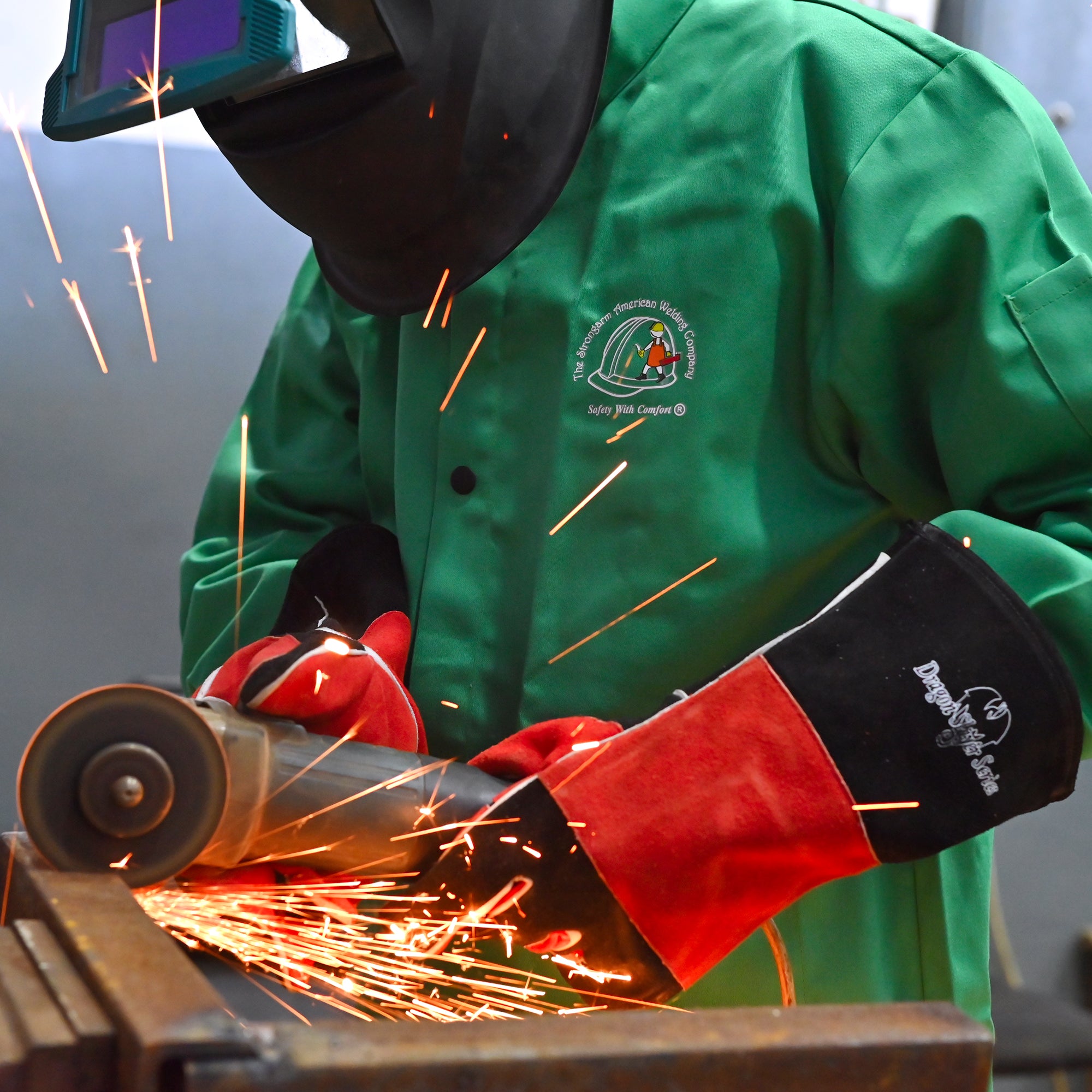
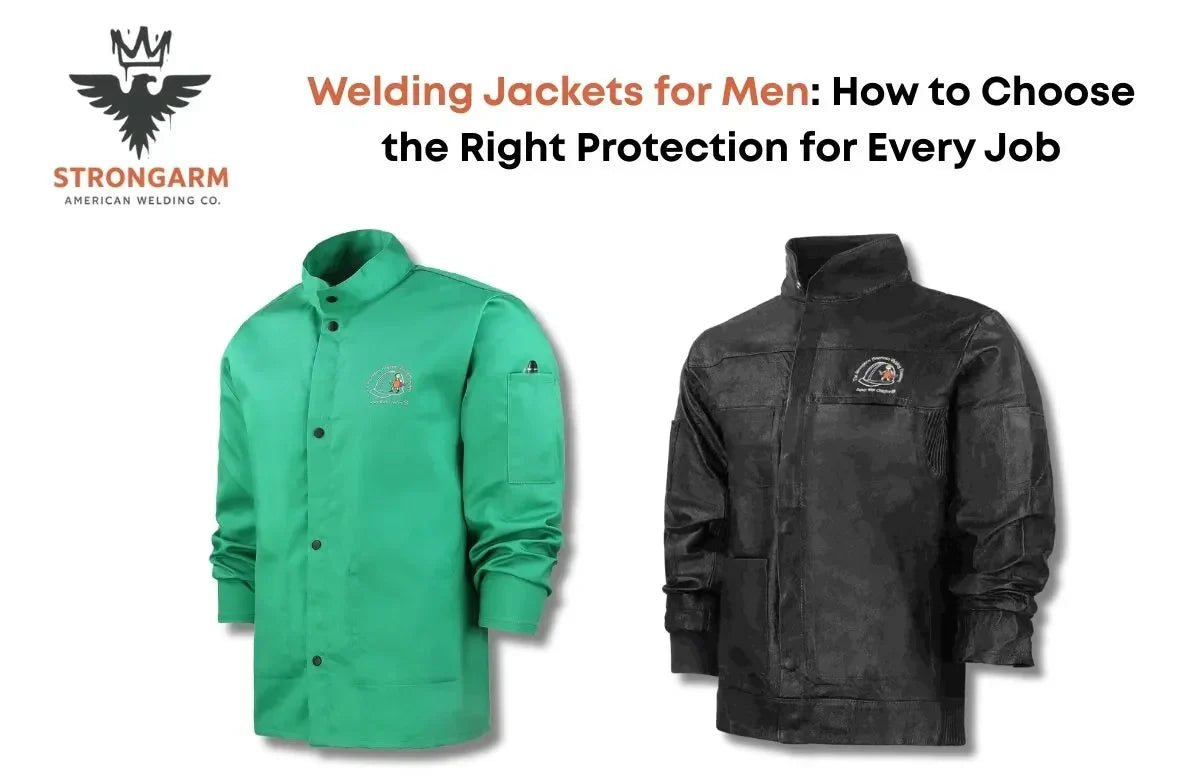
Welding jackets come in different colors and styles, and while many welders choose based on preference, color can also affect visibility, heat absorption, and job suitability. For example, many workshop welders favor the classic Green Welding Jacket because it offers strong visibility and a traditional look associated with professional welding labs. Others choose darker tones like the Black Welding Jacket for a sleek appearance and the ability to conceal stains or wear marks from long-term use. Style variations such as snap closures, Velcro seals, and adjustable cuffs give welders flexibility and control depending on the work environment. Some jackets are tailored for overhead welding, while others are better for field welding or shop fabrication. A well-chosen style allows welders to maintain comfort and safety without restrictions.
Fire Resistance and Heat Protection Standards
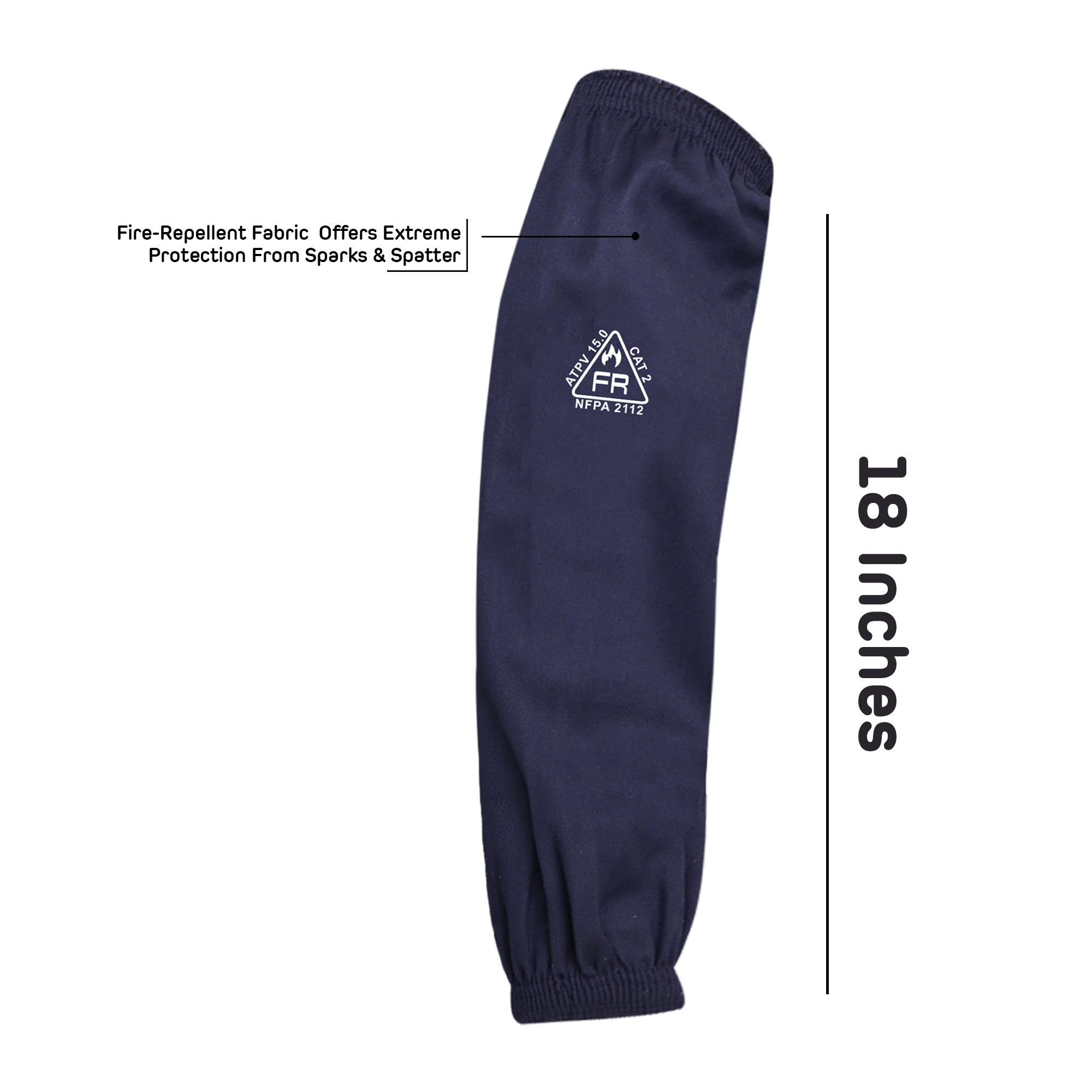
The level of heat and flame resistance should always be a top priority. A high-quality jacket must meet safety standards and offer real-world protection against molten metal, sparks, and high temperatures. Welders often search for a fire resistant welding jacket that remains durable even after extended use and multiple washes. In the USA, welders must pay attention to industry certifications and flame-resistant ratings to ensure the jacket meets safety guidelines used across industrial sectors. Protection becomes even more important in environments involving heavy equipment, large steel structures, and continuous high-heat exposure. Jackets with trustworthy flame resistance reduce the chances of burns and skin injuries.
Considering Durability, Fit, and Long-Term Comfort
- A well-fitted welding jacket allows easy movement, enabling welders to stretch, bend, and lift comfortably without restriction.
- Key construction features like long sleeves, reinforced stitching, and strong closures help the jacket stay secure during continuous motion.
- Reinforced stress points increase durability, especially in areas that face heavy wear during daily welding tasks.
- Modern welding jackets use advanced, lightweight yet strong fabrics, improving comfort during long work shifts.
- Comfort directly improves productivity, reducing strain and helping welders maintain focus on safety and quality work.
Matching Your Jacket to Job Requirements
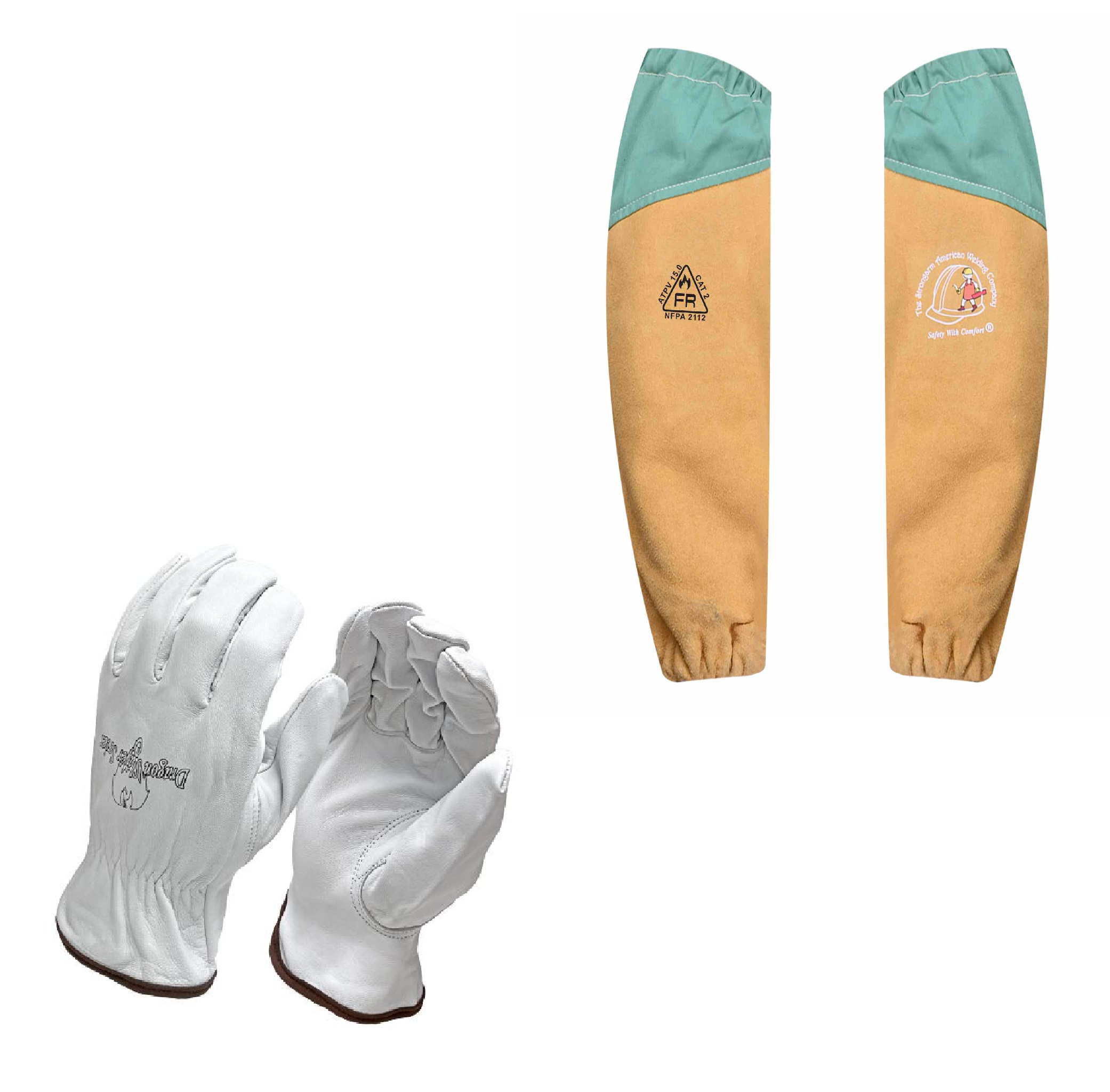
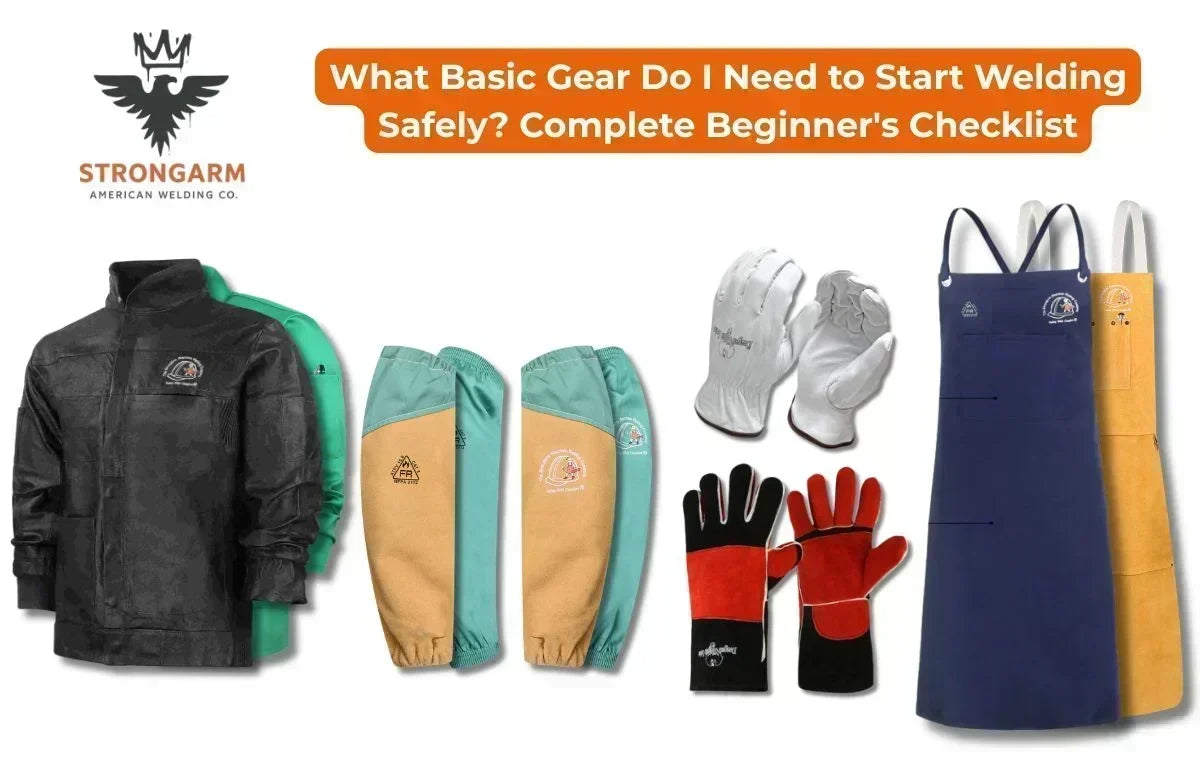
Different welding processes require different protection levels. MIG welding, for example, produces heavy spatter that demands thick, durable protection, while TIG welding typically generates less spatter, allowing more flexibility in jacket selection. Structural welding, pipeline welding, fabrication work, and shop training all require specific apparel to ensure maximum safety. Apart from jackets, welders use gloves, helmets, and other Industrial Safety Equipment to stay fully protected in their work environment. Choosing the right jacket for the job ensures long-term performance and reduces risks associated with heat exposure and debris. Job-specific gear also encourages safety compliance and reduces accidents across industrial workplaces, making it a critical part of professional welding standards in the USA.
Our Client Says
1. Ethan Carter – Texas
“I wear this welding jacket every day, and it delivers solid protection without limiting my movement.”
2. Logan Brooks – California
“The jacket feels comfortable and durable, and I stay confident while working long shifts.”
3. Caleb Anderson – Ohio
“I noticed a big difference in safety after switching to this jacket, and I trust it for every weld.”
4. Dylan Foster – Florida
“This jacket fits perfectly, and it handles sparks and heat better than any other gear I used before.”
5. Mason Reed – Illinois
“I work in tough conditions, and this jacket keeps me protected while staying lightweight and flexible.”
People Also Asked
1. Why should welders use a welding jacket?
Welders use a welding jacket to protect themselves from sparks, heat, and spatter during any welding job.
2. How do I choose the right size for a welding jacket?
You choose the right size by checking the size chart and ensuring the jacket allows free movement without feeling tight.
3. What material works best for heavy-duty welding?
Leather works best for heavy-duty welding because it resists high heat and provides strong protection.
4. Can a welding jacket improve workplace safety?
Yes, a welding jacket improves workplace safety by reducing burn risks and shielding the upper body from hazards.
5. How long does a welding jacket usually last?
A welding jacket lasts longer when you maintain it properly and choose a durable material suited to your welding tasks.
Final Thoughts
Selecting the right Welding Jackets for Men is essential for maintaining safety, comfort, and efficiency in any professional welding environment. Welders should consider materials, design, durability, and flame resistance before choosing a jacket that fits both the job and personal preference. Companies like Strongarm Welding provide high-quality protective gear trusted by workers across the USA, and choosing well-built apparel ensures welders can complete their tasks without unnecessary hazards.
Welding Jackets for Men: Professional Protection for Maximum Safety
Your upper body faces extreme heat exposure during intense fabrication work. Strongarm Welding delivers high-performance Welding Jackets for Men engineered to withstand intense temperatures, resist spark penetration, and keep you safe during demanding shop sessions, without compromising mobility, comfort, or durability.
Connect with Our Expert Team at Strongarm Welding
- Call us at 1 678-691-2332 to speak with industrial safety specialists who understand heavy-duty gear inside and out. Our team recommends the perfect Welding Jackets for Men based on your specific process, workplace conditions, and protection requirements.
- You can also visit our Contact Us Page to request customized size recommendations, explore bulk discounts for full shop orders, discuss shipping options, and get personalized customer support from our experienced team.
Stay Updated with Strongarm Welding's Latest Gear and Safety Insights
Follow Strongarm Welding across all platforms for exclusive product launches, expert welding safety guidance, industry trends, and premium protective equipment tailored to your craft:
Choose Strongarm Welding for superior Welding Jackets for Men and experience why professional tradesmen depend on our products for safety, comfort, long-lasting performance, and everyday reliability.
About the Author
This content is created and published by the Strongarm Welding Team, a group of industry-focused professionals dedicated to sharing reliable insights about Welding Jackets for Men and high-performance protective workwear. The team researches real USA job sites to recommend safe, durable, and reliable welding gear.