Welding is one of the most demanding industrial jobs in the United States, exposing workers to extreme heat, sparks, molten metal, and sharp debris daily. While helmets and gloves often get most of the attention, arm protection is just as critical. Choosing the right Heat Resistant Sleeves for Welding can significantly reduce the risk of burns, injuries, and long-term skin damage. However, not all sleeves offer the same level of protection, comfort, or durability. Understanding what to look for before buying can help welders make safer and smarter decisions on the job.
Why Heat Resistant Sleeves for Welding Are Essential
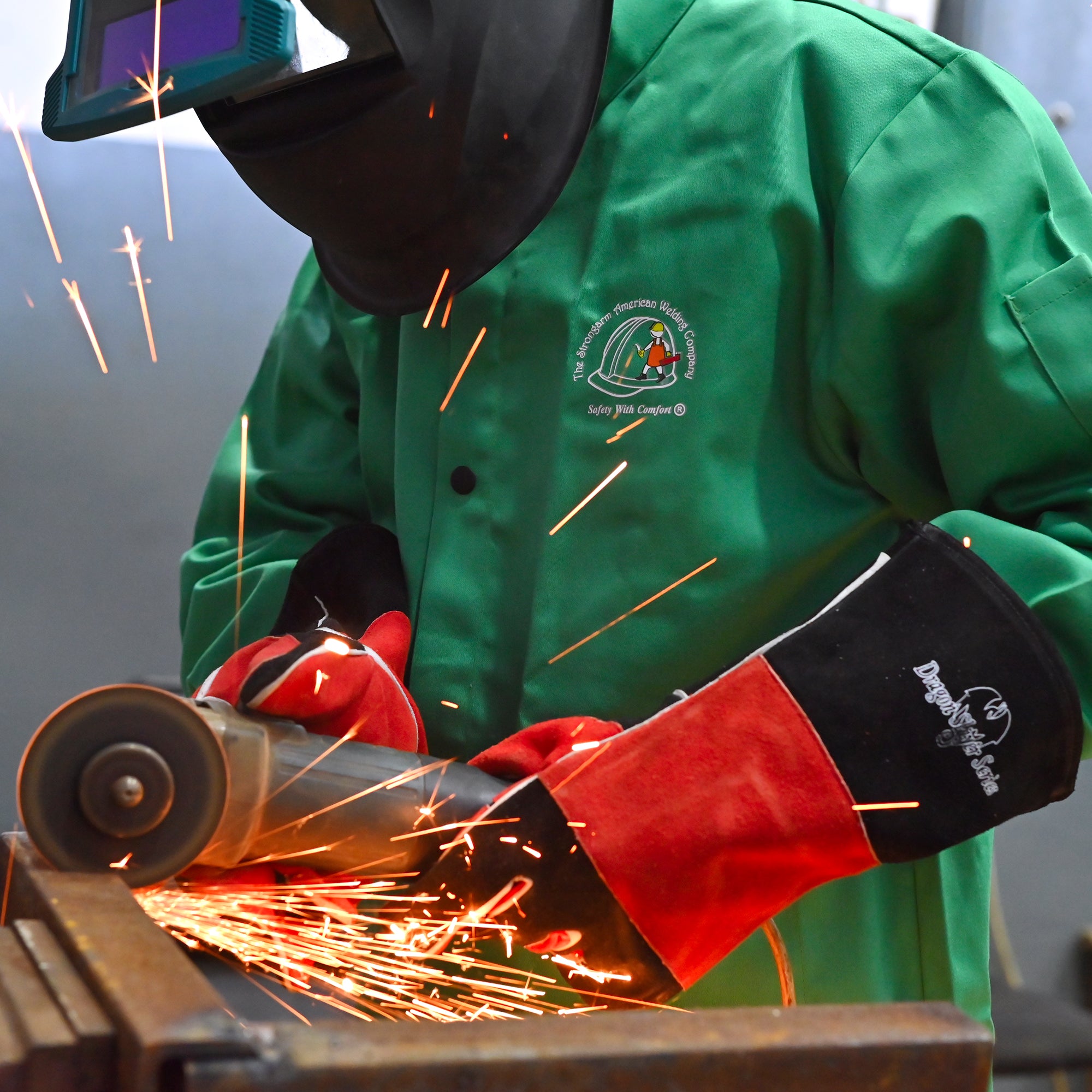
Welding tasks generate intense heat that can quickly cause serious arm injuries if proper protection is missing. Sparks, slag, and radiant heat can burn skin within seconds, especially during overhead or vertical welding. Heat Resistant Sleeves for Welding, including leather welding sleeves, act as a protective barrier, shielding arms from direct heat exposure and accidental contact with hot surfaces. In the USA, workplace safety regulations emphasize personal protective equipment to minimize injury risks. Heat resistant sleeves not only help meet safety standards but also improve confidence and efficiency on the job. When welders feel protected, they can focus better on precision and productivity without constantly worrying about injuries.
Understanding Heat Resistance Levels and Materials
One of the most important factors to consider before buying heat resistant sleeves for Welding is the material used and its heat resistance rating. Different materials provide varying levels of protection depending on welding intensity and work environment.
Common materials include:
-
Leather: Excellent for high-heat welding applications due to natural flame resistance
-
Kevlar® or Aramid fibers: Known for durability and cut resistance
-
Carbon fiber blends: Offer lightweight comfort with strong heat protection
-
Aluminized fabrics: Reflect radiant heat in high-temperature environments
Strongarm Welding focuses on sleeves designed to withstand real-world welding conditions, combining durability with heat resistance suitable for industrial and professional use across the USA.
Comfort and Fit Matter More Than You Think
Protection alone is not enough. Poorly fitted sleeves can slide down, restrict movement, or cause discomfort during long welding shifts. When choosing Heat Resistant Sleeves for Welding as part of essential welding safety gear, comfort and fit should be top priorities. Look for features such as elastic cuffs, adjustable straps, and breathable inner linings. A snug yet flexible fit allows welders to move freely while maintaining full coverage. Sleeves that are too tight can limit circulation, while loose sleeves may expose skin to sparks. Well-designed sleeves improve wear ability, especially for professionals working extended hours.
Durability for Demanding Work Environments
- Welding environments are tough, requiring protective gear that can withstand constant wear and tear.
- Cheap or poorly made sleeves may wear out quickly, tear easily, or lose heat resistance over time.
- Investing in durable heat-resistant sleeves for welding provides better long-term protection and value.
- Features like reinforced stitching, abrasion-resistant materials, and strong construction indicate higher durability.
- Strongarm Welding focuses on long-lasting performance, ensuring sleeves maintain protection against heat, sparks, and industrial use.
Protection Beyond Heat: Sparks, Cuts, and Abrasion
Heat is not the only hazard welders face. Sharp metal edges, flying debris, and abrasive surfaces can also cause serious injuries. High-quality heat-resistant sleeves for Welding should offer multi-hazard protection.
Sleeves that combine heat resistance with cut and abrasion resistance provide comprehensive safety. This is especially important in fabrication shops, shipyards, and construction sites across the USA, where welders often work in unpredictable environments. Choosing sleeves that protect against multiple risks reduces the need for additional gear.
Popular options that support these safety needs include:
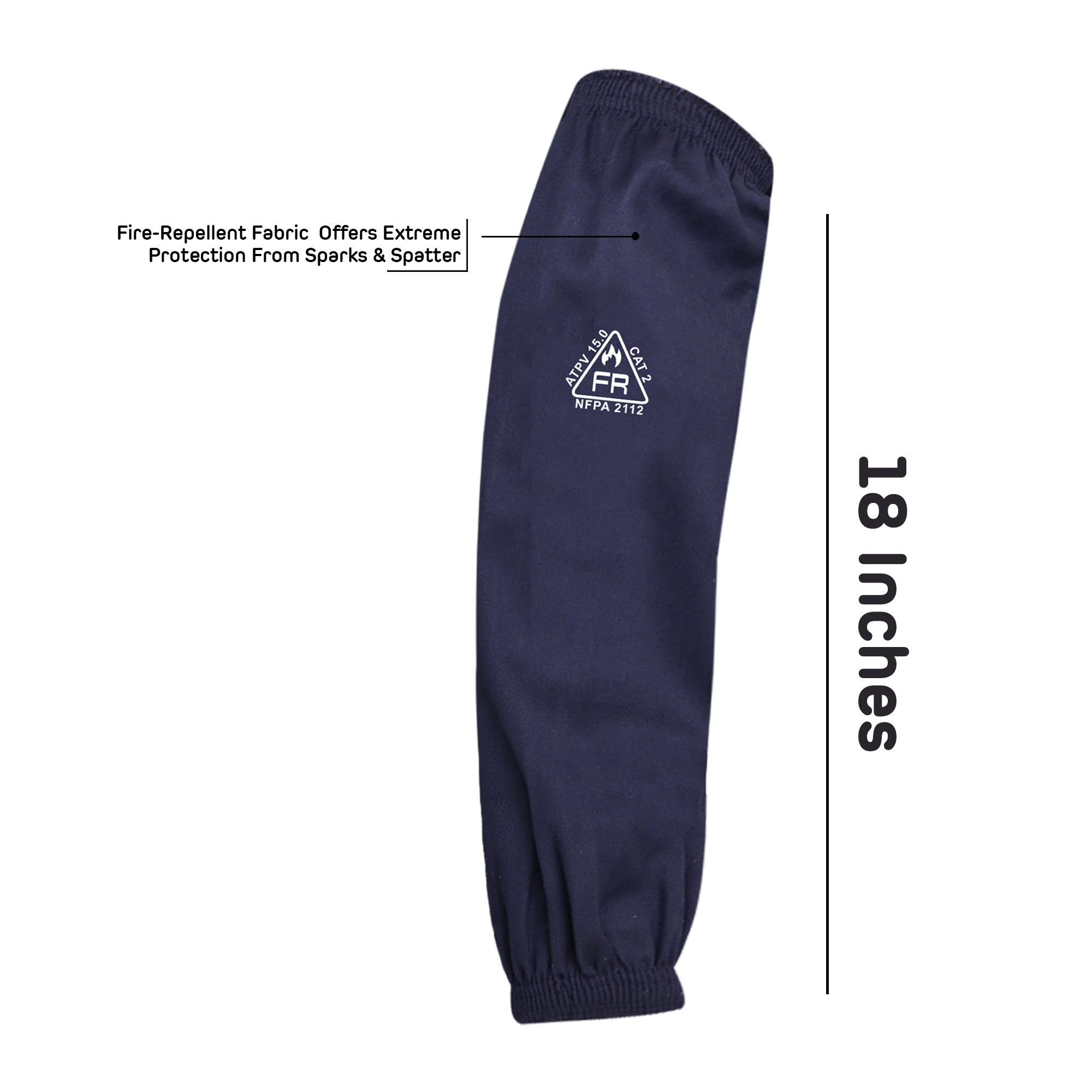
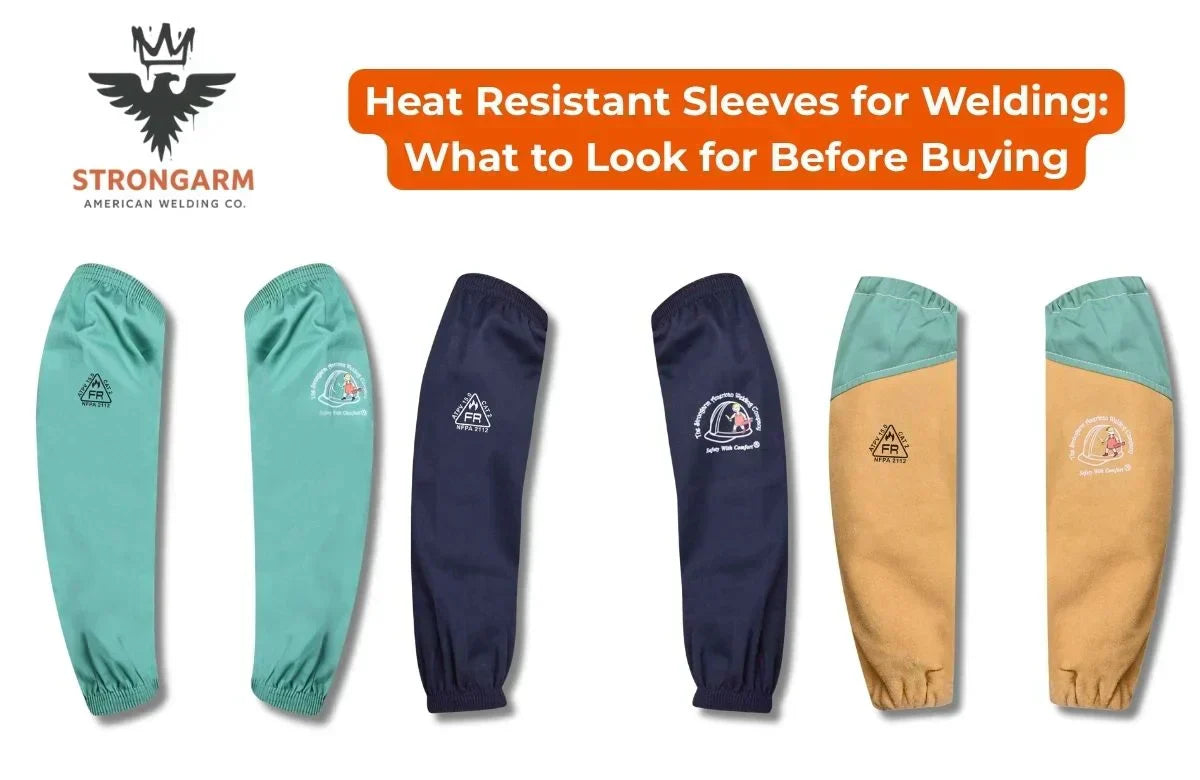
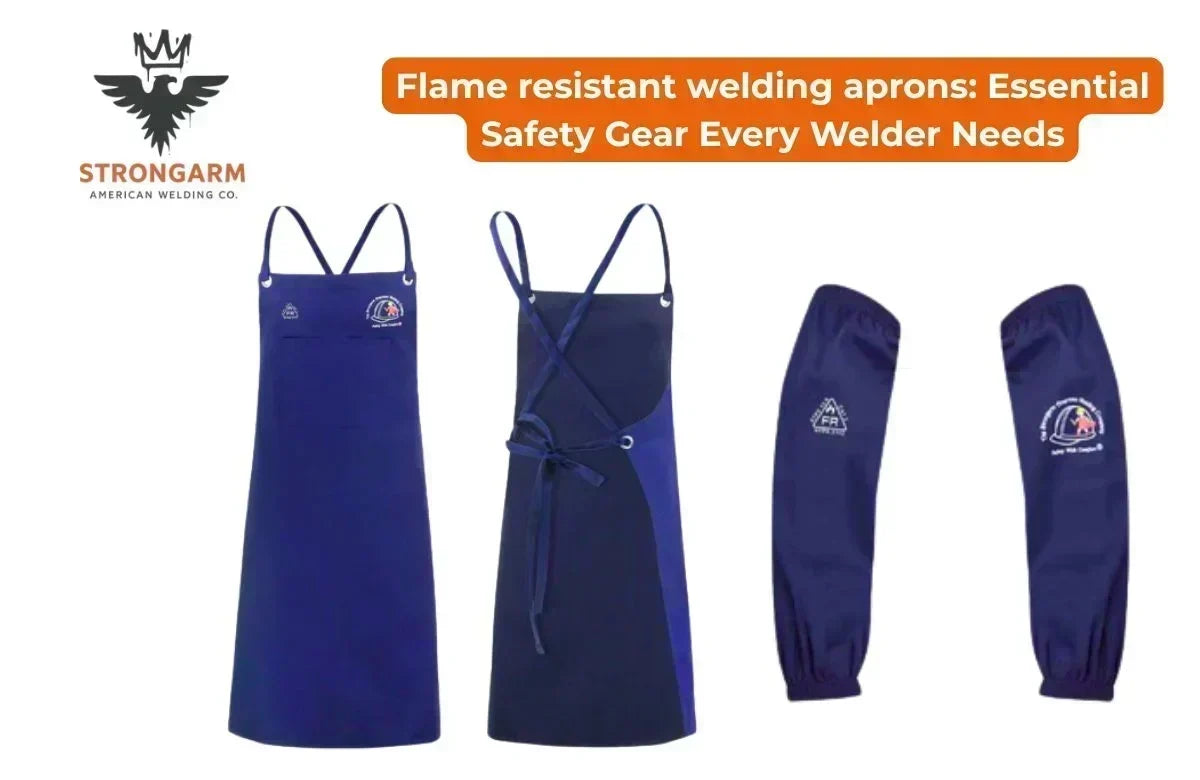
- Blue FR Welding Sleeves 18 Inch - Heat Resistant Cotton Arm Protection
- Green FR 01 Welding Sleeves 18" - Flame-Resistant Cotton
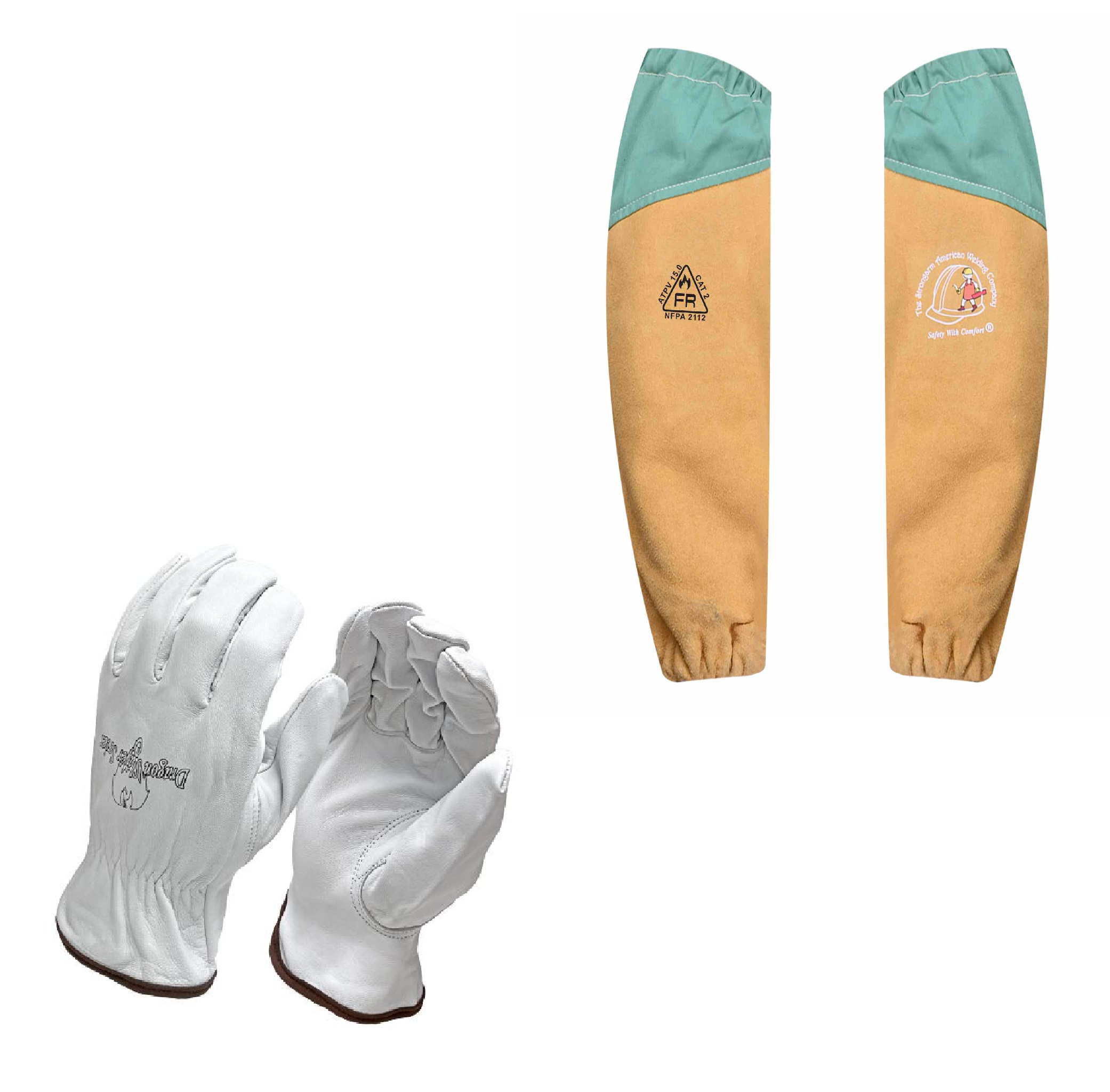
- Premium Hybrid Welding Sleeves 18 Inch - Leather & FR Cotton Arm Protection
Breathability and Sweat Management
Welding is physically demanding, and excessive sweating can become a serious discomfort. Sleeves that trap heat and moisture may cause irritation, fatigue, or reduced focus. That’s why breathability is a key factor when selecting heat-resistant sleeves for welding. Modern sleeve designs balance protection with airflow by using moisture-wicking fabrics or ventilated materials. Breathable sleeves help regulate body temperature, making them ideal for hot workshops or outdoor welding jobs common in many US states.
Compliance with Safety Standards
- In the United States, safety compliance is essential in all industrial and welding environments.
- When selecting heat-resistant sleeves for welding, it is important to ensure they meet recognized industry safety standards.
- Certified protective gear helps reduce workplace liability risks and improves worker protection.
- Properly tested sleeves ensure welders receive reliable flame resistance and safety performance.
- Strongarm Welding and other reputable manufacturers design products that support workplace safety compliance and protect workers effectively.
Why Choosing the Right Supplier Matters
Not all protective gear manufacturers understand the real challenges welders face. Choosing a supplier with industry experience makes a noticeable difference in quality and performance. Strongarm Welding is known for focusing on practical, job-tested solutions that address the needs of professional welders. Reliable suppliers offer consistent quality, clear product specifications, and designs tailored for demanding environments. This reliability is crucial for businesses and individual welders who depend on protective gear every day.
Client Reviews
1. Ethan Walker – Houston, USA
“These heat resistant sleeves for welding provide excellent protection during high-heat jobs and stay comfortable throughout long workdays.”
2. Liam Harris – Dallas, USA
“I noticed fewer burns and better mobility after switching to durable heat resistant sleeves for welding in my fabrication shop.”
3. Noah Mitchell – Chicago, USA
“The fit and heat protection of these heat resistant sleeves for welding make them ideal for overhead welding tasks.”
4. Benjamin Clark – New York, USA
“Strong, reliable, and breathable—these heat resistant sleeves for welding perform well in demanding industrial environments.”
5. William Scott – Los Angeles, USA
“After months of daily use, these heat resistant sleeves for welding still hold up against sparks and extreme heat.”
People Also Asked
1. What are the best heat resistant sleeves for welding in high-temperature environments?
The best heat resistant sleeves for welding in high-temperature environments are made from leather, aramid fibers, or carbon-based materials that protect arms from sparks, slag, and radiant heat.
2. How do heat resistant sleeves for welding improve worker safety?
Heat resistant sleeves for welding protect arms from burns, flying sparks, and hot metal, reducing injury risks during overhead and industrial welding tasks.
3. Are heat resistant sleeves for welding suitable for long work shifts?
Yes, high-quality heat resistant sleeves for welding offer breathable designs and secure fits that allow comfort and flexibility during extended welding shifts.
4. How do I choose the right size heat resistant sleeves for welding?
Choosing the right size heat resistant sleeves for welding depends on arm length, snug fit at cuffs, and full coverage without restricting movement.
5. When should heat resistant sleeves for welding be replaced?
Heat resistant sleeves for welding should be replaced when you notice thinning fabric, burns, tears, or reduced heat protection after prolonged use.
Final Thoughts
Selecting the right Heat Resistant Sleeves for Welding is not just about meeting safety requirements, it’s about protecting health, improving comfort, and ensuring long-term performance on the job. From material quality and heat resistance to fit, durability, and breathability, every detail matters. For welders across the USA, making informed buying decisions leads to fewer injuries, better productivity, and greater confidence at work. By choosing well-designed protective sleeves from trusted names like Strongarm Welding, professionals can focus on their craft knowing their safety is not compromised.
Shield Your Arms with Heavy-Duty Welding Protection
A premium set of Heat Resistant Sleeves for Welding injects critical safety, comfort, and long-term durability straight into your daily fabrication workflow. Whether you are running beads in structural steel fabrication, grinding down heavy welds, or maneuvering around a crowded workshop, protecting your forearms and biceps from flying spatter is non-negotiable.
Secure Your Armor with Strongarm Welding
- Dial 1 678-691-2332 right now to discuss your specific shop safety requirements. Our gear experts will help you lock down the perfect pair of protective sleeves engineered for your exact workload and environment.
- Head straight to our Contact Us Page to explore our full safety lineup, submit bulk commercial order requests, or get fast customer support from our technical team.
Deploy the Latest Shop Updates
Join the inner circle of elite tradespeople relying on Strongarm Welding for brutal product stress tests, industrial welding insights, and core workshop essentials:
Rely on Strongarm Welding for professional-grade Heat Resistant Sleeves for Welding built to deliver absolute defense, cooling comfort, and bulletproof reliability across every single shift.
About the Author
This article is written and reviewed by the Strongarm Welding Team, a dedicated group of safety gear experts focused on industrial protection solutions. The team specializes in evaluating and promoting high-performance products such as heat-resistant sleeves for Welding, helping workers choose reliable gear for demanding environments.