Welding is a demanding job. Sparks, heat, and molten metal are constant hazards. A fire resistant welding jacket is essential to protect your body from burns and injuries. Choosing the right jacket isn’t just about safety it’s about comfort and durability, too. In this guide, we’ll explain everything you need to know, including complementary gear like leather welding jackets, leather welding aprons, high visibility apparel, and safety gloves.
Why a Fire Resistant Welding Jacket Is Essential
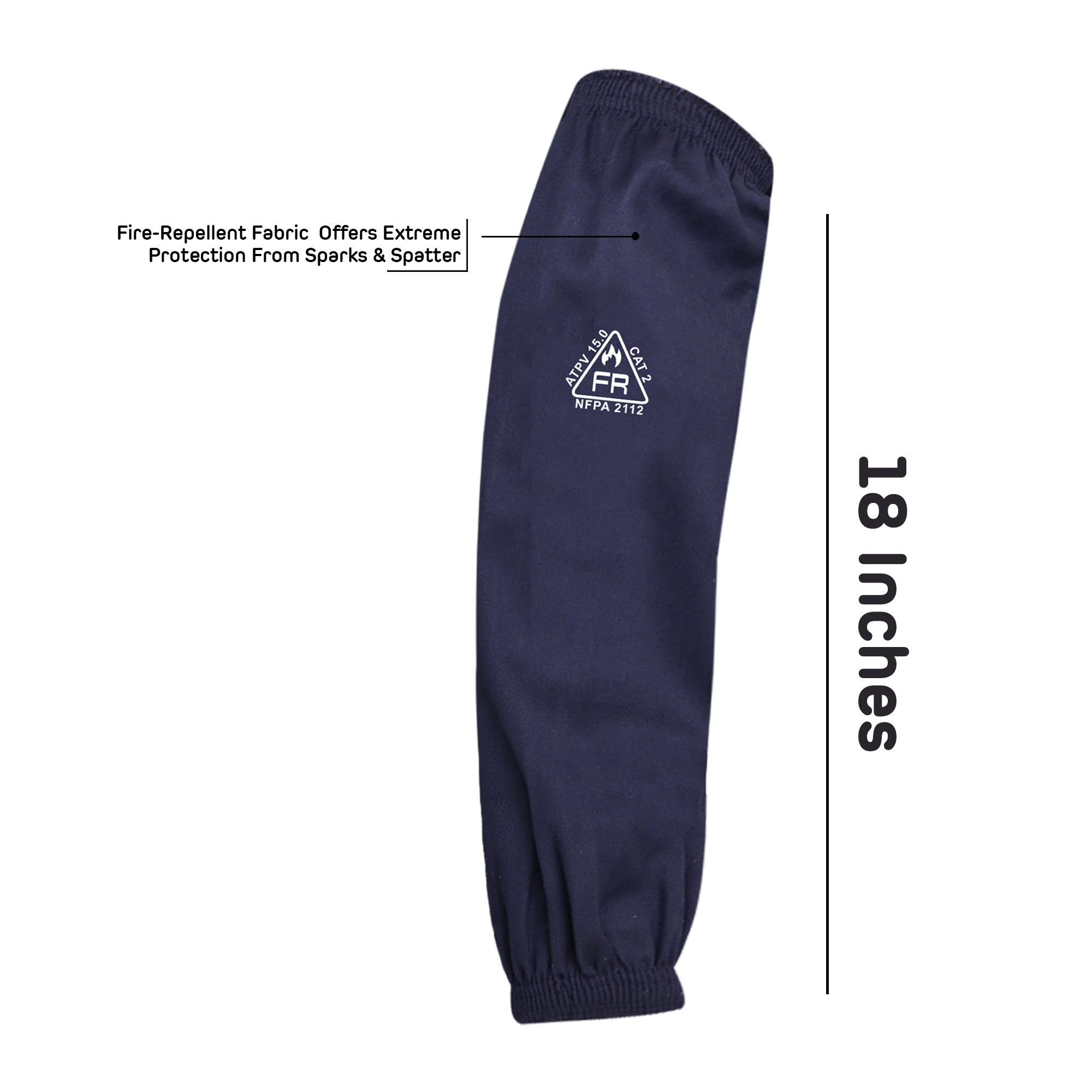
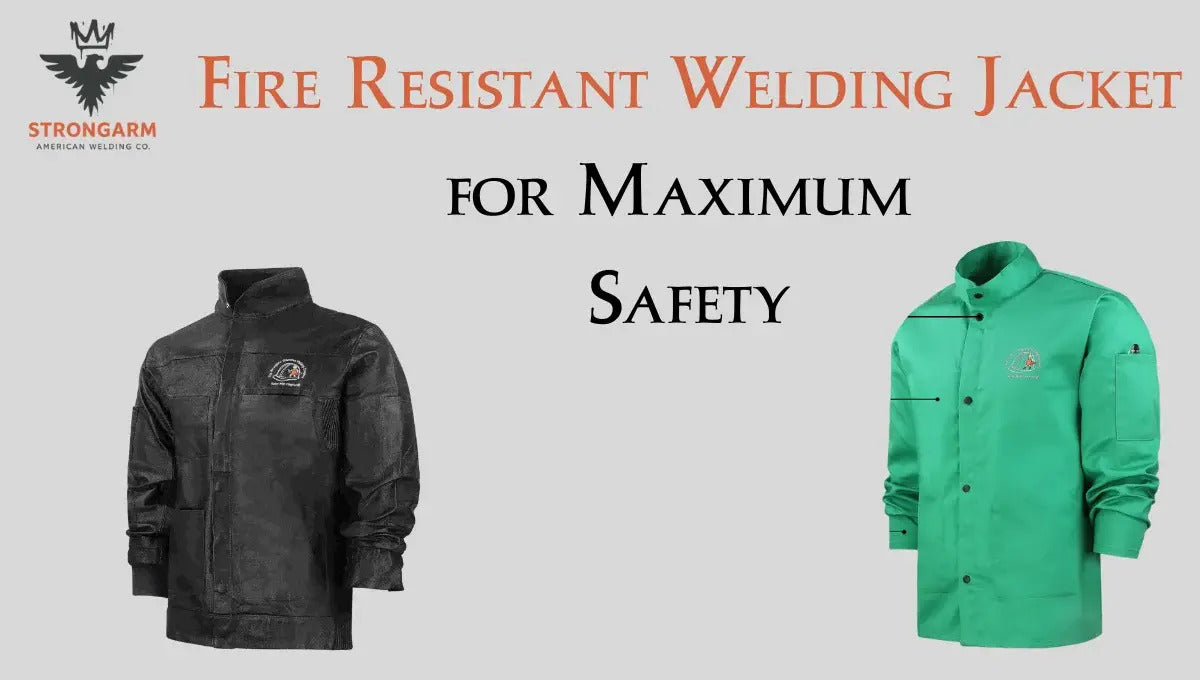
A welding jacket serves as the first line of defense against sparks, heat, and molten metal. Not all jackets offer the same protection, so understanding the material and design is crucial.
Real-World Example
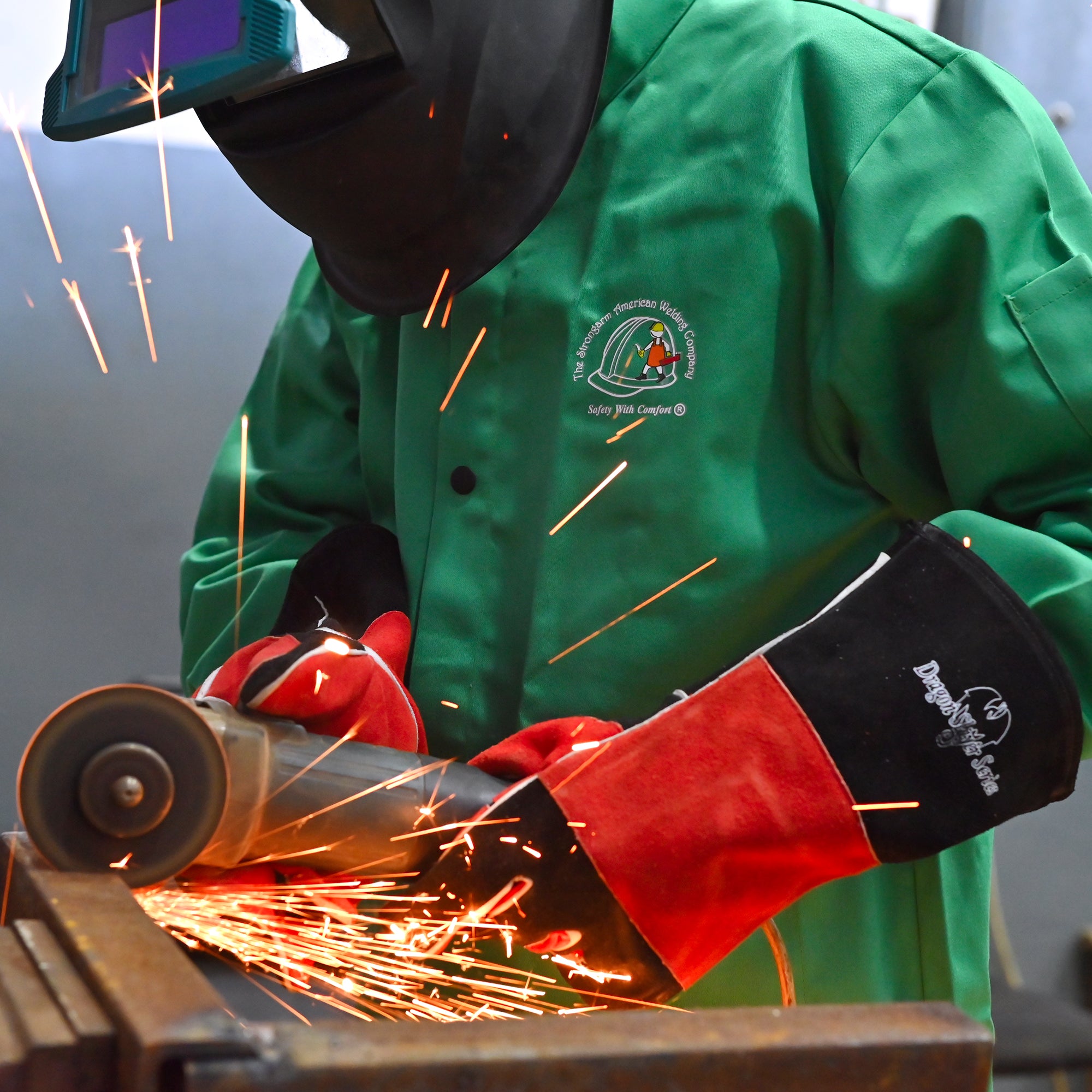
In a workshop with heavy-duty welding operations, workers often report minor burns from stray sparks. Proper fire resistant welding jackets reduce these incidents significantly. Combined with gloves and aprons, the risk of injury drops even further.
Key benefits:
· Shields arms and torso from heat
· Reduces risk of burns from sparks and spatter
· Provides durable, long-lasting protection
Types of Fire Resistant Welding Jackets
Not every welding jacket is created equal. There are variations based on material, design, and additional features.
Leather Welding Jackets
Leather is a favorite for welders because it withstands high temperatures and resists wear. Leather welding jackets are durable and offer excellent protection against sparks and small molten metal droplets.
Cotton and Aramid Jackets
Some jackets use heavy-duty cotton or aramid fibers. These are lighter than leather and often more breathable, making them suitable for long shifts in warmer environments.
Tip: Choose a jacket that fits well. Loose jackets can catch sparks, while overly tight jackets limit movement.
Complementary Safety Gear
A welding jacket is most effective when paired with other protective gear.
Leather Welding Apron
For extra coverage, a leather welding apron protects the front of your body, especially when working with vertical welding positions or long sparks.
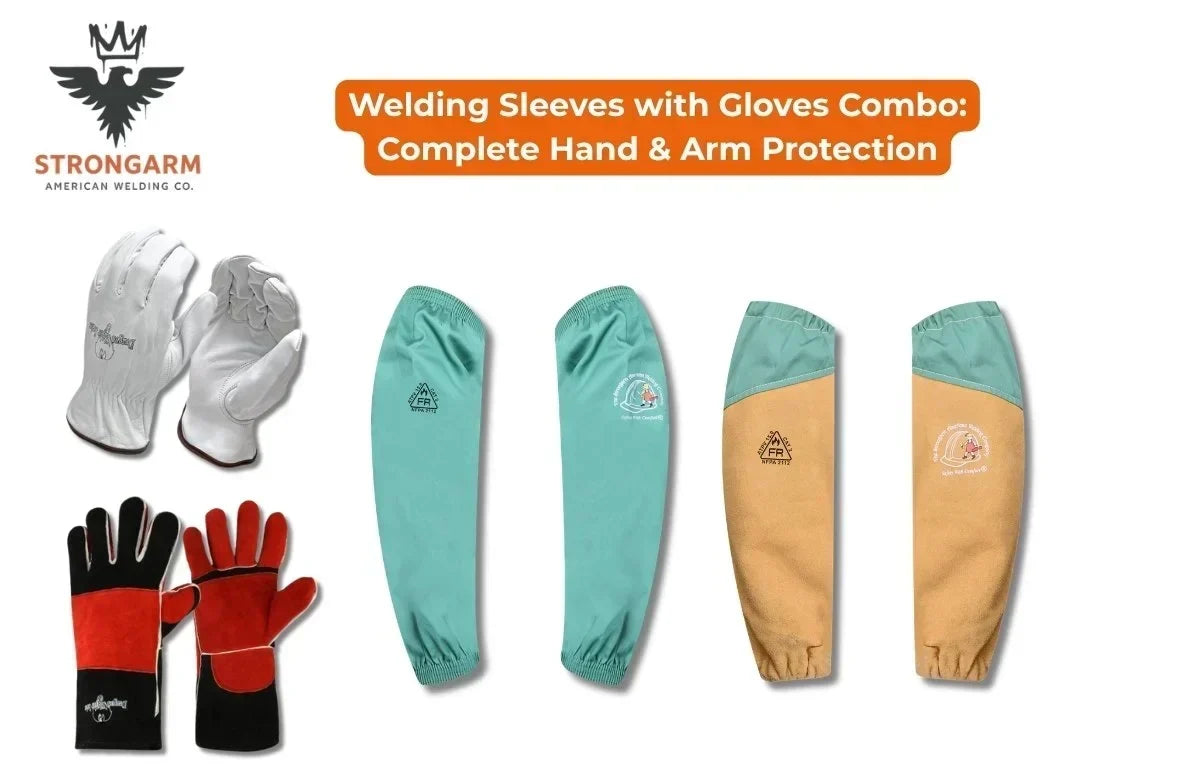
Safety Gloves
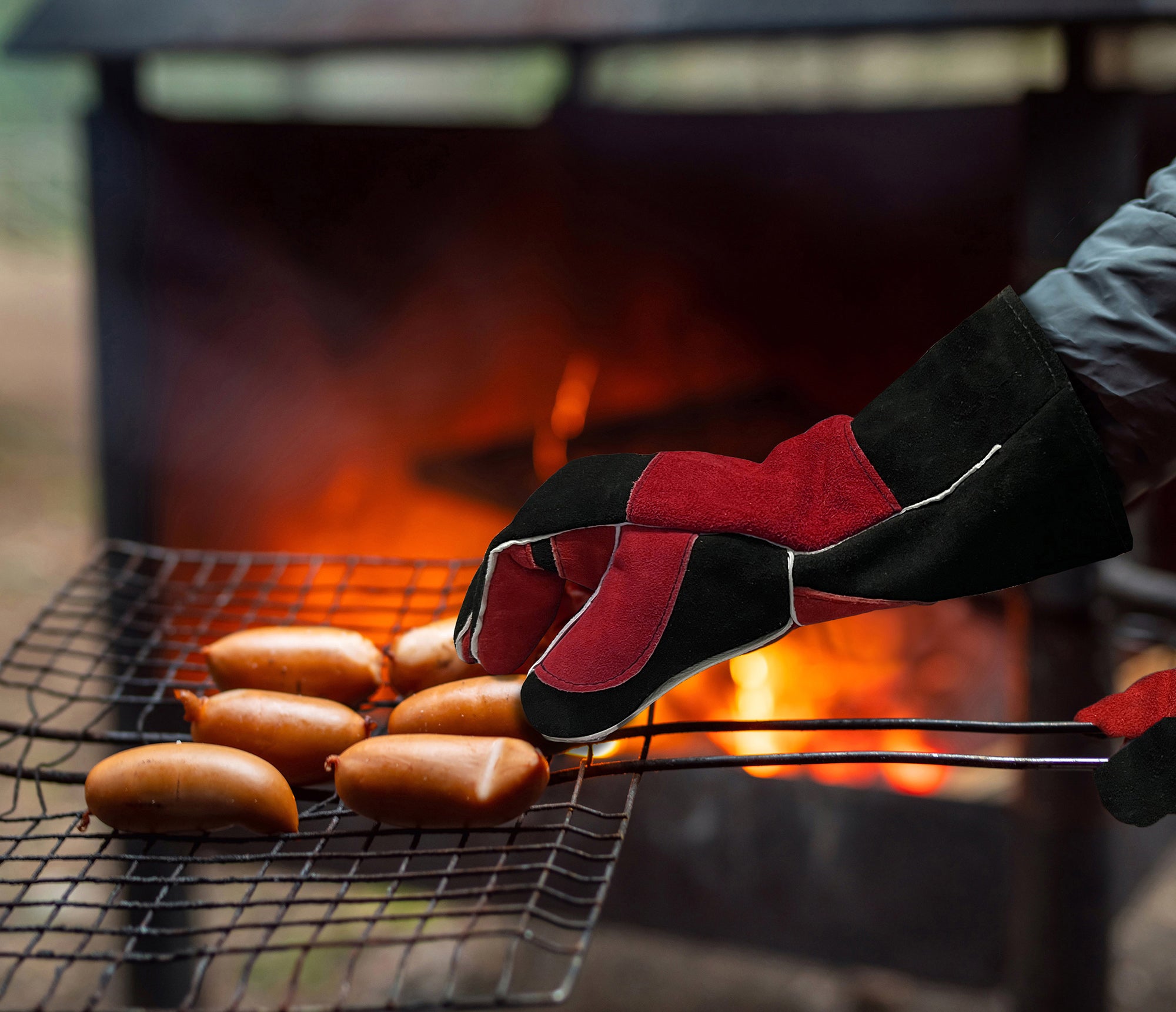
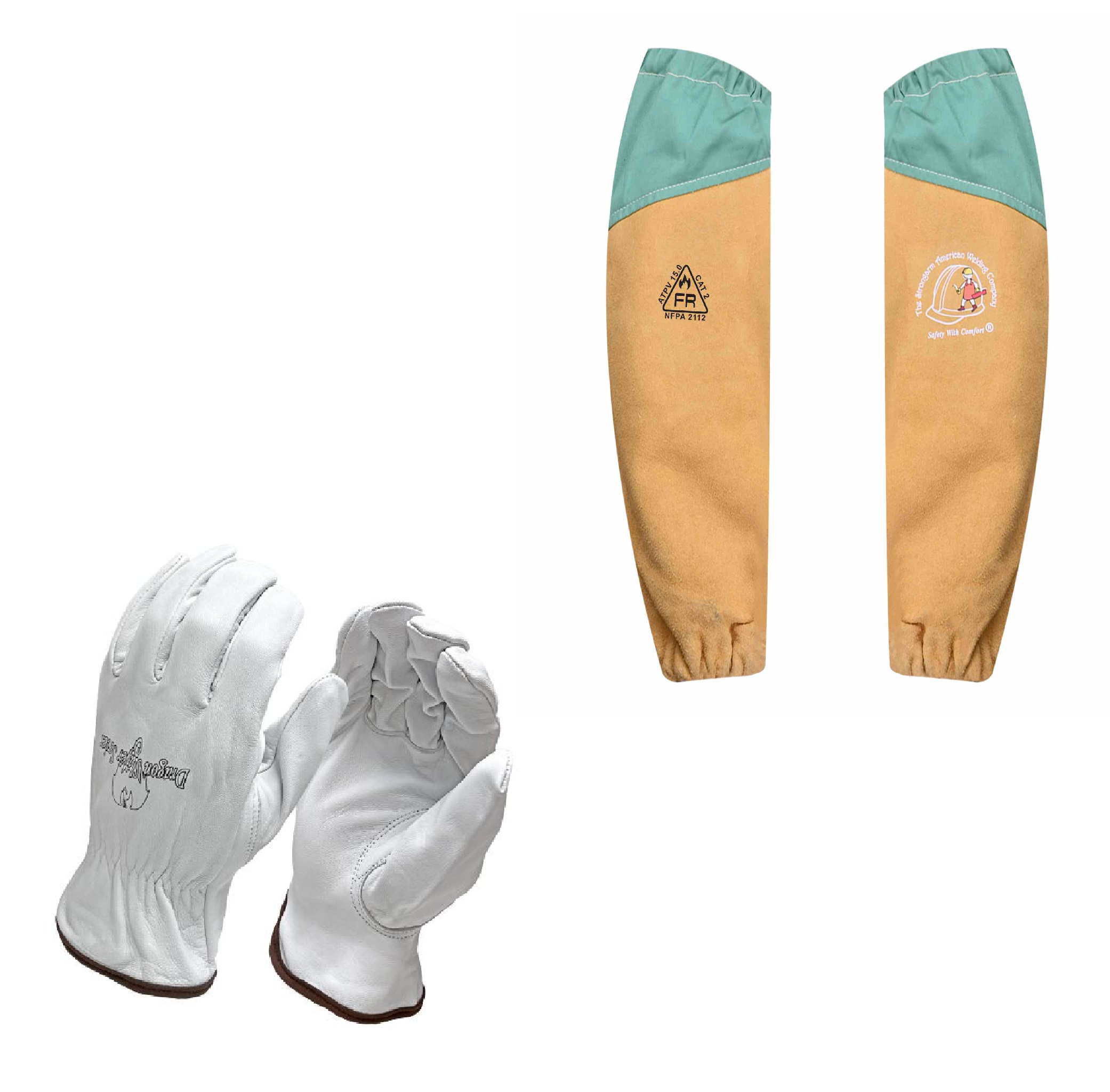
Hands are particularly vulnerable. Safety gloves made of flame-resistant leather or aramid materials shield your hands while maintaining dexterity.
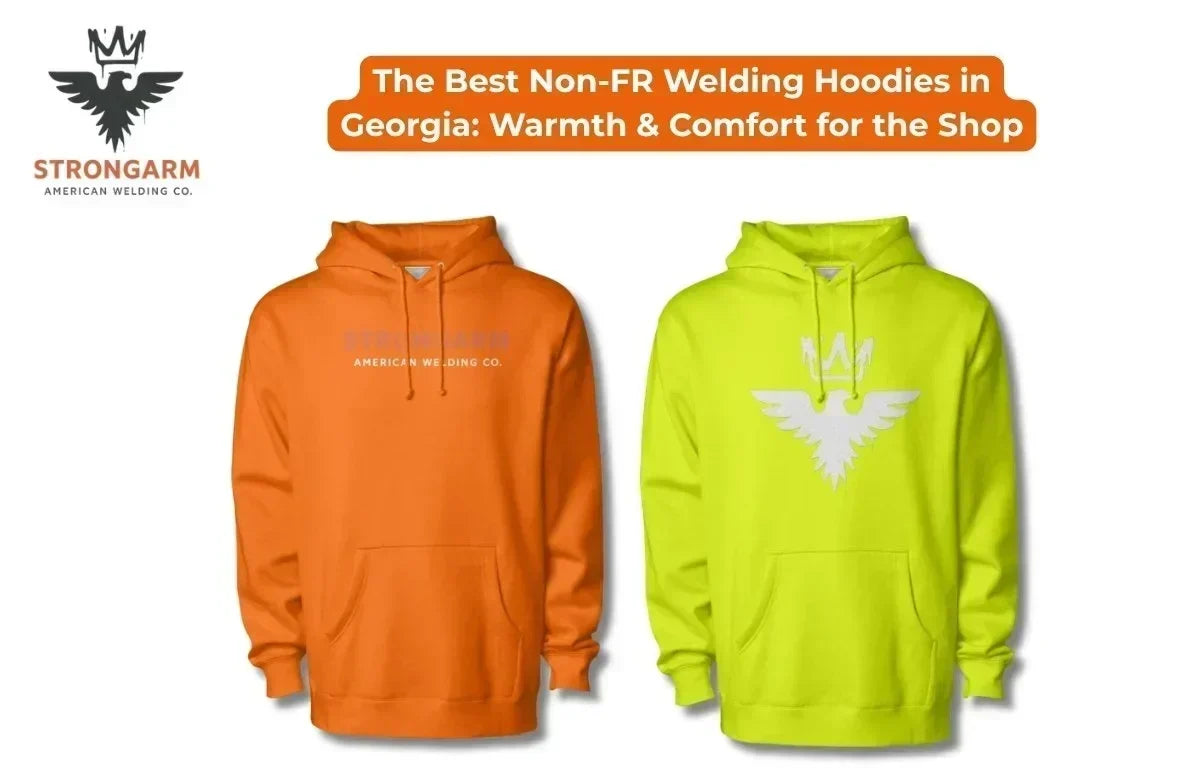
High Visibility Apparel
If you work in shared workshops or outdoor environments, high visibility apparel ensures that others see you clearly, reducing the risk of accidents.
How to Choose the Right Welding Jacket
Selecting the right jacket goes beyond material. Consider these factors:
· Fit: Allows full arm movement without being loose enough to catch sparks
· Length: Longer jackets offer better protection for lower torso and hips
· Closure Type: Snaps, zippers, or Velcro should stay secure under heat
· Pockets: Useful for small tools but avoid overly large pockets that can catch sparks
Real-life insight:
Many professional welders prefer jackets with reinforced shoulders and elbows, as these areas face the most wear and tear.
Maintaining Your Fire Resistant Welding Jacket
Proper maintenance ensures your jacket lasts and remains effective.
· Brush off metal dust after each use
· Avoid machine washing leather; wipe with damp cloth instead
· Inspect for tears, burn holes, or weak seams regularly
· Replace if the jacket shows significant wear
Practical tip:
Store jackets away from direct sunlight and heat sources. This preserves the fire-resistant properties over time.
Comparing Welding Jackets
Not all welding jackets perform the same, and the material makes a big difference. Leather welding jackets are highly durable and provide the best protection against heat and sparks. They can feel heavier and less breathable, but for intense welding jobs, they are unmatched in safety.
On the other hand, jackets made from cotton or aramid fibers are lighter and allow more airflow. They are easier to wear for long shifts, especially in warmer conditions, but they offer slightly less heat resistance than leather.
Key takeaway: Choose leather for maximum protection in high-heat environments, and consider cotton or aramid jackets if you need comfort and breathability for extended wear.
Common Mistakes to Avoid
· Wearing a jacket that is too loose or too tight
· Neglecting gloves or aprons
· Ignoring high visibility needs in shared spaces
· Failing to check for wear and tear regularly
People Also Ask
1. What is the best material for a welding jacket?
Leather offers the highest heat resistance and durability, while heavy-duty cotton or aramid jackets are lighter and more breathable. Choose based on your work environment and comfort needs.
2. How should a welding jacket fit?
A welding jacket should allow full movement of the arms without being loose enough to catch sparks. Look for reinforced elbows and shoulders for extra durability.
3. Can I wear a cotton welding jacket with a leather apron?
Yes. Combining a cotton jacket with a leather welding apron provides layered protection, balancing comfort and heat resistance.
4. How often should I replace a fire resistant welding jacket?
Replace your jacket if you notice burn holes, tears, or weakened seams. Regular inspection is key to maintaining protection.
5. Are high visibility welding jackets necessary?
They are essential in workshops or outdoor environments where other people operate machinery. High visibility apparel reduces accident risk.
6. Can welding gloves replace a jacket?
No. Safety gloves protect hands but don’t cover your torso or arms. A complete set of protective gear is necessary for full protection.
Final Thoughts
A fire resistant welding jacket is an essential piece of protective equipment. Choosing the right material, fit, and complementary gear like leather welding aprons, safety gloves, and high visibility apparel ensures you stay safe and comfortable on the job. Proper maintenance and inspection extend the life of your jacket, giving long-term protection and peace of mind. Investing in quality gear from trusted sources like Strong Arm Welding ensures you get both safety and durability, helping you focus on your craft without worrying about accidents.
Stay Protected with a Fire Resistant Welding Jacket
A high-quality Fire Resistant Welding Jacket is essential for welders working around sparks, heat, and molten metal. The right jacket provides reliable protection while allowing you to work comfortably throughout the day. Strongarm Welding offers durable welding apparel designed to improve safety and performance in demanding work environments.
Contact Strongarm Welding
- Call us at 1 678-691-2332 to speak with our team about selecting the right Fire Resistant Welding Jacket for your work environment. We can help with sizing, product recommendations, and order assistance.
- You can also visit our Contact Us Page for additional support and product information.
Follow Strongarm Welding
Stay connected for product updates, welding safety tips, and industry news:
Choose Strongarm Welding for reliable workwear solutions and quality Fire Resistant Welding Jacket options that help you stay safe, comfortable, and productive.
Author Bio
John Mitchell is a professional welder with over 15 years of hands-on experience in industrial and custom welding projects. At Strong Arm Welding, he shares expert insights on protective gear, safety practices, and practical tips to help welders work smarter and safer.